orthomax hospital

Author name: admin

what is knee preservation and who can benefit from it

What Is Knee Preservation and Who Can Benefit From It?

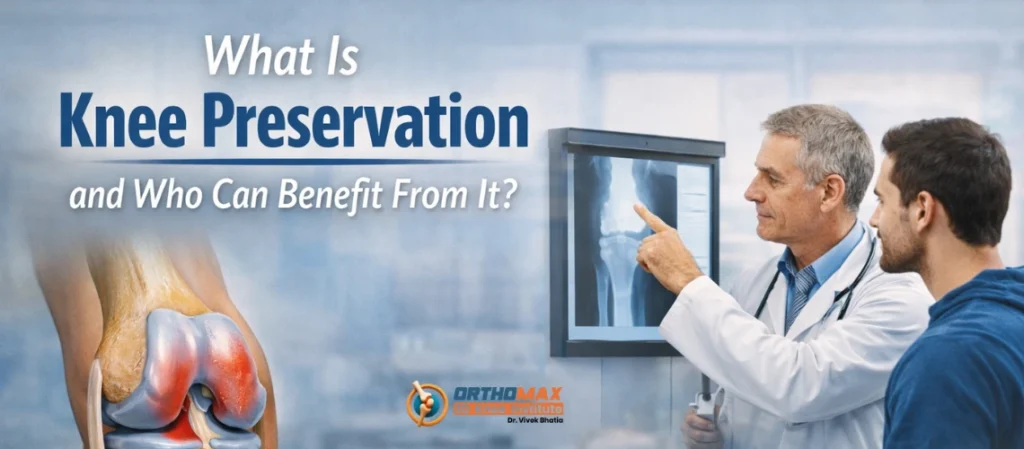
What Is Knee Preservation and Who Can Benefit From It? Knee pain is no longer limited to older adults. Athletes, working professionals, and even young adults are now dealing with knee problems due to lifestyle changes, injuries, and early joint wear. This is where knee preservation becomes an important concept in modern orthopaedic care. Instead of rushing into joint replacement, knee preservation focuses on protecting your natural knee joint, reducing pain, and delaying or avoiding surgery whenever possible. In this blog, we’ll clearly explain what knee preservation is, how it works, who it’s meant for, and why knee preservation is becoming the preferred choice for patients who want long-term knee health without major surgery. What Is Knee Preservation? Knee preservation is a medical approach that aims to save and protect the natural knee joint by treating pain, damage, and dysfunction early. The goal of knee preservation is to delay or prevent knee replacement surgery while maintaining mobility, stability, and quality of life. Unlike knee replacement, knee preservation does not remove the joint. Instead, it focuses on: Preserving cartilage Correcting alignment issues Treating ligament or meniscus damage Reducing inflammation and pain Knee preservation treatments are personalized based on age, activity level, severity of damage, and future mobility goals. Why Knee Preservation Is Gaining Popularity The growing demand for knee preservation is driven by one key fact: knee replacement is not always the best first option. Artificial joints have a limited lifespan, especially in younger or active patients. Knee preservation offers a smarter, joint-saving solution. Key reasons knee preservation is preferred today: Keeps your natural knee joint intact Faster recovery compared to replacement Maintains natural movement and flexibility Reduces long-term surgical risks Ideal for early to moderate knee damage Knee preservation focuses on proactive care instead of reactive surgery. How Knee Preservation Works Knee preservation works by identifying the root cause of knee pain and addressing it with targeted treatments. Rather than replacing the entire joint, knee preservation improves how the knee functions. Common knee preservation strategies include: Cartilage repair or restoration Meniscus repair Ligament reconstruction Alignment correction Regenerative therapies Activity and lifestyle modification Each knee preservation plan is unique and depends on clinical evaluation, imaging, and patient goals. Conditions Treated With Knee Preservation Knee preservation is effective for many knee conditions, especially when diagnosed early. 1. Early-Stage Osteoarthritis Knee preservation helps slow cartilage breakdown and reduces pain without replacing the joint. 2. Cartilage Damage Cartilage injuries due to sports or wear can be treated through knee preservation techniques that restore joint cushioning. 3. Meniscus Tears Instead of removing the meniscus, knee preservation focuses on repair to maintain joint stability. 4. Ligament Injuries ACL or PCL injuries can be managed with reconstruction as part of a knee preservation plan. 5. Knee Malalignment Bow-leg or knock-knee conditions can be corrected through knee preservation surgeries like osteotomy. Types of Knee Preservation Treatments 1. Non-Surgical Knee Preservation These treatments are often the first step in knee preservation: Physiotherapy and strengthening Weight management Activity modification Injections (PRP, hyaluronic acid) Bracing and orthotics Non-surgical knee preservation helps control symptoms and slow disease progression. 2. Surgical Knee Preservation When conservative care is not enough, surgical knee preservation may be recommended. Common surgical knee preservation options include: Cartilage repair procedures Meniscus repair Ligament reconstruction Osteotomy (bone realignment surgery) These procedures aim to correct the problem while preserving the joint. Who Can Benefit From Knee Preservation? Knee preservation is not for everyone, but it is ideal for many patients. Ideal Candidates for Knee Preservation: Age between 20 and 55 Active lifestyle or sports involvement Early or moderate arthritis Isolated cartilage or meniscus damage Knee pain affecting daily life Desire to avoid knee replacement Patients searching for a knee preservation specialist in Panchkula often fall into these categories and want joint-saving options before considering replacement. Knee Preservation vs Knee Replacement Understanding the difference helps patients make informed decisions. Knee Preservation Knee Replacement Preserves natural joint Replaces joint Faster recovery Longer rehab Suitable for younger patients Often for older patients Maintains natural movement Artificial joint motion Delays major surgery Permanent solution Knee preservation is usually the first recommendation when joint damage is not severe. Benefits of Choosing Knee Preservation The advantages of knee preservation go beyond pain relief. Key Benefits: Protects natural anatomy Improves mobility and strength Reduces dependency on pain medication Delays or avoids knee replacement Better long-term joint health Clinics like Orthomax 3D Knee Hospital emphasize knee preservation to help patients stay active and independent for longer. Recovery After Knee Preservation Recovery depends on the type of knee preservation treatment chosen. Non-surgical knee preservation: minimal downtime Arthroscopic procedures: a few weeks Osteotomy or reconstruction: 3–6 months Physiotherapy plays a critical role in successful knee preservation outcomes. Is Knee Preservation Right for You? Knee preservation is best decided after a detailed evaluation by an orthopaedic expert. Factors such as age, X-ray findings, MRI results, pain level, and lifestyle expectations all matter. If knee pain is limiting your daily activities but your joint is not completely worn out, knee preservation may be the right choice. Frequently Asked Questions (FAQs) 1. What exactly is knee preservation? Knee preservation is a treatment approach that focuses on saving the natural knee joint and delaying or avoiding knee replacement surgery. 2. Is knee preservation permanent? Knee preservation can significantly delay joint replacement, but results depend on age, activity, and disease progression. 3. Can knee preservation cure arthritis? Knee preservation cannot cure arthritis, but it can slow progression and reduce symptoms effectively. 4. Is knee preservation safe? Yes, knee preservation procedures are well-established and generally safe when performed by experienced specialists. 5. How long does knee preservation last? Results vary, but many patients experience long-term relief and improved function for several years. 6. Does knee preservation work for sports injuries? Yes, knee preservation is commonly used for ligament, cartilage, and meniscus injuries. Final Thoughts Knee preservation represents a shift toward smarter, patient-first orthopaedic care. By focusing on protecting the natural joint, knee preservation offers pain relief, better

Different Types of Knee Surgery Explained for Patients

Different Types of Knee Surgery Explained for Patients

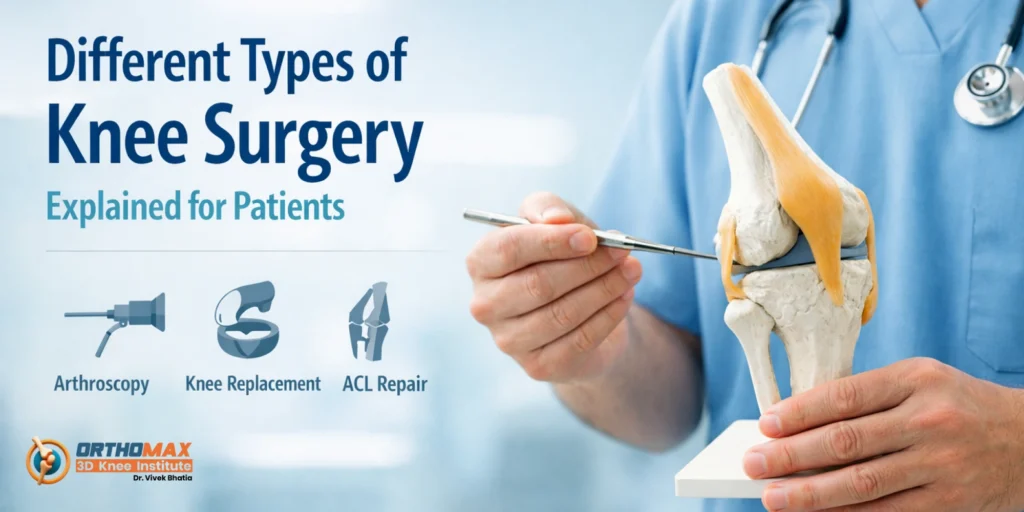
Different Types of Knee Surgery Explained for Patients Knee pain can significantly impact your daily life—walking, climbing stairs, sitting, or even sleeping can become difficult. When medications, physiotherapy, or lifestyle changes fail to provide relief, doctors may recommend different types of knee surgery to restore movement and reduce pain. This comprehensive guide explains different types of knee surgery. Whether you’re facing arthritis, ligament injuries, cartilage damage, or sports trauma, this blog will help you understand your options, recovery timelines, and what to expect before and after surgery. Choosing the right surgical approach among the different types of knee surgery requires accurate diagnosis, advanced imaging, and experienced clinical judgment. At Orthomax 3D Knee Hospital, our specialists focus on precise evaluation, personalized treatment planning, and technology-driven care to help patients achieve better mobility and faster recovery outcomes. Why Do Patients Need Knee Surgery? Knee surgery is usually recommended when non-surgical treatments such as medications, physiotherapy, injections, or lifestyle changes no longer provide sufficient relief. When knee pain becomes persistent and starts interfering with daily activities, surgery may be the most effective option to restore mobility, reduce discomfort, and improve overall quality of life. Common reasons patients require knee surgery include: Severe knee arthritis, where the cartilage wears away, causing bone-on-bone friction, stiffness, and long-term pain Sports injuries, such as ACL or meniscus tears, that lead to knee instability, swelling, or repeated giving-way episodes Knee fractures or deformities resulting from accidents, falls, or long-standing alignment issues Cartilage wear and tear, which reduces shock absorption in the knee joint and limits smooth movement Chronic knee pain that restricts walking, climbing stairs, sitting, or standing for long periods Choosing among the different types of knee surgery depends on several factors, including the patient’s age, activity level, severity and location of joint damage, overall health, and long-term mobility goals. A thorough evaluation by an orthopedic specialist helps determine the most appropriate surgical option for lasting relief and better knee function. 1. Knee Arthroscopy Knee arthroscopy is one of the most commonly performed types of knee surgery and is widely preferred due to its minimally invasive nature. During this procedure, surgeons make very small incisions around the knee and insert a tiny camera called an arthroscope. This camera provides a clear, real-time view of the inside of the knee joint, allowing doctors to diagnose and treat problems with high precision using specialized surgical instruments. Knee arthroscopy is often recommended for patients who have knee pain, swelling, or mechanical symptoms that do not improve with rest, medication, or physiotherapy. It is especially useful for treating internal knee damage without the need for large surgical cuts. Conditions Treated: Meniscus tears that cause locking, clicking, or pain in the knee Loose bone or cartilage fragments that interfere with smooth joint movement Early-stage knee arthritis, where cleaning or smoothing damaged tissue can reduce symptoms Ligament injuries that require minor repair or assessment Benefits: Smaller incisions, resulting in minimal tissue damage Less post-surgical pain and scarring compared to open surgery Faster recovery, allowing patients to return to daily activities sooner Lower risk of complications, such as infection or excessive bleeding Recovery Time: Most patients can resume basic daily activities within 2–6 weeks, depending on the extent of the procedure and adherence to rehabilitation. With proper physiotherapy and care, knee strength and mobility continue to improve over time. 2. Partial Knee Replacement Partial knee replacement is one of the more advanced different types of knee surgery recommended when arthritis or joint damage is limited to only one compartment of the knee—either the inner, outer, or front section. Unlike total knee replacement, this procedure focuses only on the damaged area while preserving the healthy parts of the knee joint. This surgical approach is ideal for patients who experience pain in a specific region of the knee rather than widespread joint damage. By retaining healthy bone, cartilage, and ligaments, partial knee replacement often feels more natural after surgery and allows for better knee movement. Best For: Localized knee arthritis affecting a single compartment Patients with stable ligaments, especially a healthy ACL Active individuals who want to maintain a higher level of mobility Patients who have not responded to medications or physiotherapy Advantages: Preserves healthy bone and tissue, resulting in a more natural-feeling knee Smaller incision and less disruption to surrounding muscles Reduced blood loss and lower surgical trauma Faster recovery and shorter hospital stay compared to total knee replacement Recovery Time: Most patients begin walking with support within a few days. With regular physiotherapy, recovery typically takes 4–8 weeks, allowing patients to return to daily activities sooner than with total knee replacement. 3. Total Knee Replacement (TKR) Total knee replacement is one of the most commonly performed and well-established different types of knee surgery, particularly for patients suffering from advanced knee arthritis. This procedure is recommended when knee damage becomes severe enough that everyday movements like walking, bending, or standing cause constant pain and stiffness, significantly affecting quality of life. When Is It Needed? Total knee replacement may be advised in the following situations: Severe osteoarthritis or rheumatoid arthritis, where cartilage loss leads to bone-on-bone contact Chronic knee pain and stiffness that does not improve with medications, physiotherapy, or injections Failed conservative treatments, including painkillers, lifestyle changes, and joint-support therapies Limited mobility, making it difficult to perform daily activities such as climbing stairs or getting out of a chair What Happens During Total Knee Replacement? During total knee replacement surgery, the surgeon carefully removes damaged bone surfaces and worn-out cartilage from the knee joint. These damaged areas are then replaced with artificial implants made from durable metal alloys and medical-grade plastic. The implants are designed to replicate natural knee movement, reduce pain, and improve joint stability, allowing patients to return to an active and comfortable lifestyle. Recovery Time and Rehabilitation Recovery after total knee replacement varies from patient to patient and depends on overall health and rehabilitation commitment. Walking with support: Most patients begin walking with a walker or support within 1–2 weeks Physiotherapy

How To Prepare for Knee Surgery

Essential Knee Surgery Preparation Guide for Faster Recovery

Essential Knee Surgery Preparation Guide for Faster Recovery Preparing for knee surgery can feel overwhelming, especially if it’s your first major medical procedure. Often, recognizing the signs you need knee surgery is the first step toward getting lasting relief from chronic pain and mobility issues. But the truth is, how well you prepare for knee surgery directly impacts how smoothly your recovery goes. From reducing complications to speeding up healing, the right knee surgery preparation plan can make a real difference. In this complete guide, we’ll walk you through how to prepare for knee surgery step by step, covering medical readiness, physical preparation, mental health, home setup, and post-surgery recovery planning—so you feel confident, informed, and in control. Why Preparing for Knee Surgery Is So Important Many people focus only on the surgery itself, but recovery actually begins before you enter the operating room. Proper preparation for knee surgery helps you: Reduce surgical risks and complications Manage pain more effectively Regain mobility faster Avoid unnecessary stress during recovery Improve long-term surgical outcomes Whether you’re undergoing arthroscopy or a knee replacement, the basics of knee surgery preparation remain largely the same. Medical Preparation Before Knee Surgery Complete Pre-Surgery Medical Tests Your doctor will order tests such as blood work, ECG, X-rays, or MRIs. These tests ensure your body is ready for surgery and help identify any risks early. Review Medications Carefully When preparing for knee surgery, inform your surgeon about: Blood thinners Diabetes or blood pressure medications Herbal supplements Some medicines need to be stopped days before surgery to prevent excessive bleeding or complications. Manage Existing Health Conditions If you have diabetes, heart issues, or respiratory problems, stabilizing these conditions before knee surgery is crucial for a smooth recovery. Physical Preparation: Strengthen Before You Heal Start Prehabilitation Exercises One of the most overlooked tips to prepare for knee surgery is strengthening muscles beforehand. Strong muscles recover faster. Focus on: Quadriceps strengthening Hamstring stretches Ankle pumps Gentle range-of-motion exercises Ask your physiotherapist for a customized pre-surgery exercise plan. Maintain a Healthy Weight Excess weight puts added pressure on your knee joint. Even modest weight loss before knee surgery can reduce pain and improve recovery outcomes. Mental Preparation: Getting Your Mind Surgery-Ready Preparing for knee surgery isn’t just physical—it’s mental too. Set Realistic Expectations Recovery takes time. Knowing what to expect helps you stay patient and motivated during rehabilitation. Reduce Anxiety Before Surgery Try: Deep breathing exercises Meditation or mindfulness Talking openly with your surgeon Mental calmness improves pain tolerance and overall recovery. Home Preparation: Set Up for a Safe Recovery Prepare Your Living Space Before knee surgery, make your home recovery-friendly: Remove loose rugs and clutter Install grab bars in bathrooms Keep frequently used items within easy reach Arrange Support in Advance You’ll need help with: Cooking and cleaning Medication management Transportation to follow-up visits Planning this before knee surgery avoids unnecessary stress later. Nutrition Tips to Prepare for Knee Surgery Eat a Healing-Friendly Diet Good nutrition plays a major role in surgical recovery. When preparing for knee surgery, include: Lean protein (for tissue repair) Calcium and vitamin D (for bone health) Vitamin C (for wound healing) Fiber (to prevent post-surgery constipation) Stay Hydrated Adequate hydration improves circulation, digestion, and healing after knee surgery. What to Pack for the Hospital Preparing for knee surgery also means packing smart. Bring: Comfortable loose clothing Non-slip footwear All medical reports Prescribed medications Personal hygiene items Avoid valuables and unnecessary electronics. The Day Before Knee Surgery: Final Checklist Follow fasting instructions carefully Shower with antiseptic soap if advised Charge your phone and arrange transportation Get a good night’s sleep A calm, organized approach helps your body and mind handle surgery better. What to Expect Right After Knee Surgery Pain Management Pain is normal after knee surgery. Your care team will use medications, ice therapy, and positioning techniques to keep discomfort manageable. Early Movement Is Key Most patients are encouraged to stand or walk with support within 24 hours. Early movement prevents stiffness and improves circulation. Recovery Tips for a Smooth Healing Process 1. Follow Physiotherapy Religiously Physiotherapy is non-negotiable after knee surgery. Consistent exercises restore mobility, strength, and flexibility. 2. Stick to Medication Guidelines Take painkillers and blood-thinning medications exactly as prescribed. 3. Watch for Warning Signs Contact your doctor if you notice: Excessive swelling or redness Fever Severe pain Unusual discharge from the wound Early action prevents complications. Long-Term Recovery: Weeks to Months After Knee Surgery Recovery timelines vary, but preparing for knee surgery with realistic expectations helps. Gradual Return to Activities Avoid rushing back into high-impact activities. Focus on: Walking Gentle strengthening Low-impact exercises Lifestyle Adjustments Healthy habits after knee surgery—like maintaining weight and staying active—protect your new joint long-term. Common Mistakes to Avoid When Preparing for Knee Surgery Skipping pre-surgery exercises Ignoring nutrition Not arranging post-surgery support Overexerting during recovery Missing follow-up appointments Avoiding these mistakes ensures a smoother knee surgery recovery. FAQs:  1. How long before surgery should I start preparing for knee surgery? Ideally, start knee surgery preparation 3–6 weeks in advance to improve strength, health, and recovery readiness. 2. Can I walk immediately after knee surgery? Yes, most patients begin walking with assistance within 24 hours, depending on the procedure and doctor’s advice. 3. How painful is knee surgery recovery? Pain varies by individual but is manageable with medications, physiotherapy, and proper rest. 4. What is the most important tip to prepare for knee surgery? Combining physical exercises, mental readiness, and home preparation gives the best recovery outcomes. 5. How long does full recovery take after knee surgery? Recovery may take 6 weeks to several months, depending on surgery type, age, and overall health. Final Thoughts Preparing for knee surgery is one of the smartest steps you can take to ensure a safe procedure and a faster, smoother recovery. When you focus on medical readiness, physical strength, mental health, and home preparation, you set yourself up for success long before surgery day arrives. Remember—knee surgery recovery doesn’t start after

Top Benefits of Augmented Reality Knee Replacement

Top Benefits of Augmented Reality Knee Replacement

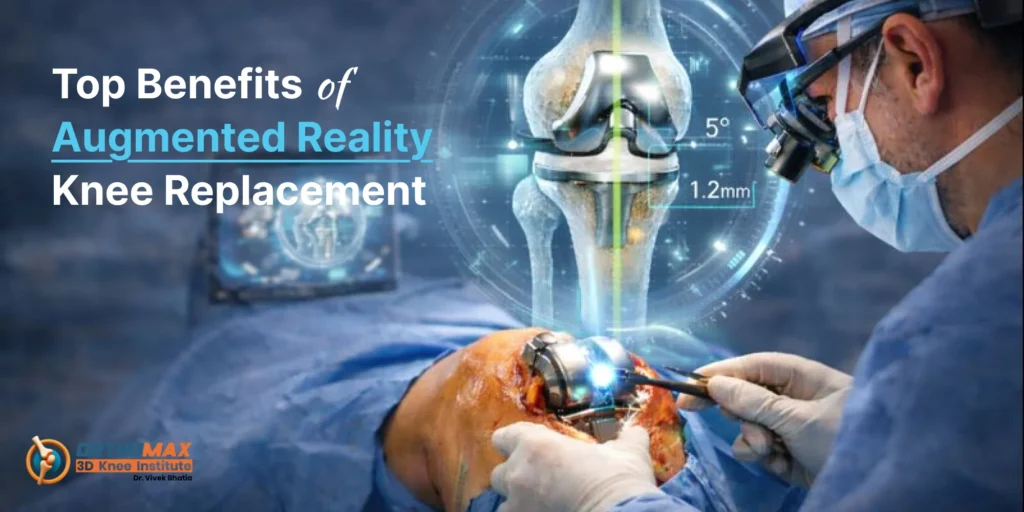
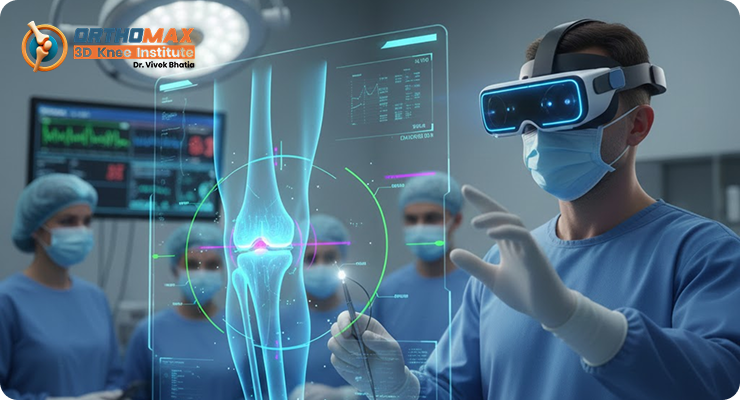
Top Benefits of Augmented Reality Knee Replacement Knee replacement surgery has transformed the lives of millions suffering from chronic knee pain, arthritis, and mobility limitations. Over the years, advancements in technology have significantly improved surgical accuracy, patient comfort, and recovery outcomes. One of the most promising innovations shaping modern orthopaedics is augmented reality (AR). By blending digital information with the real surgical environment, augmented reality knee replacement is redefining how surgeons plan and perform this complex procedure. Augmented reality is not science fiction anymore—it is a practical, surgeon-assisting technology that overlays real-time visual guidance during surgery. This advancement allows orthopaedic surgeons to perform knee replacements with greater precision, confidence, and consistency. Below are the top benefits of augmented reality knee replacement and why it is gaining popularity worldwide. 1. Enhanced Surgical Precision Precision is critical in knee replacement surgery. Even a small alignment error can impact joint function, implant lifespan, and patient satisfaction. Augmented reality systems provide surgeons with a real-time, three-dimensional view of the knee anatomy during surgery. This allows accurate placement of implants according to the patient’s unique bone structure. Unlike conventional methods that rely heavily on manual tools and estimation, AR technology guides the surgeon step by step. The result is more consistent accuracy, improved joint balance, and reduced chances of implant misalignment. 2. Personalized Treatment for Every Patient Every knee is different. Factors such as bone shape, degree of arthritis, ligament condition, and posture vary from person to person. Augmented reality enables patient-specific surgical planning by integrating preoperative imaging with intraoperative guidance. This personalized approach ensures that the knee replacement is tailored precisely to the patient’s anatomy rather than relying on a one-size-fits-all method. Customized alignment leads to better movement, increased comfort, and more natural-feeling knees after surgery. 3. Reduced Risk of Surgical Errors Traditional knee replacement techniques depend significantly on mechanical guides and the surgeon’s experience. While effective, they leave room for human error. Augmented reality acts as an additional layer of safety by continuously verifying alignment, angles, and implant positioning. By providing visual alerts and data during surgery, AR technology helps minimize deviations from the surgical plan. This reduces the likelihood of complications such as uneven joint loading, instability, or early implant failure. 4. Improved Implant Longevity One of the biggest concerns after knee replacement is how long the implant will last. Improper alignment is one of the leading causes of early implant wear and revision surgery. Augmented reality helps ensure optimal implant positioning, which distributes forces evenly across the joint. Better alignment means less stress on the artificial joint, reduced wear over time, and a longer lifespan for the implant. For patients, this translates into fewer chances of revision surgery and better long-term outcomes. 5. Faster Recovery and Rehabilitation Accurate surgery directly influences recovery speed. When implants are placed correctly and soft tissues are preserved, patients experience less postoperative pain and swelling. Augmented reality knee replacement supports minimally invasive techniques by guiding precise bone cuts and reducing unnecessary tissue trauma. As a result, many patients can start walking sooner, regain mobility faster, and return to daily activities with greater confidence. Shorter rehabilitation periods also improve overall patient satisfaction and quality of life. 6. Better Functional Outcomes The ultimate goal of knee replacement is not just pain relief but restored function. Augmented reality helps surgeons achieve better knee balance, alignment, and range of motion. This allows patients to experience smoother walking patterns, improved stability, and more natural knee movement. Patients often report better confidence while climbing stairs, standing for long periods, or engaging in light physical activities. These functional improvements make a significant difference in day-to-day life after surgery. 7. Consistency Across Surgical Outcomes One of the challenges in orthopaedic surgery is maintaining consistent results across different patients. Augmented reality standardizes critical steps of the procedure while still allowing surgeons to apply their expertise. This consistency benefits both experienced surgeons and those early in their careers. With AR guidance, outcomes become more predictable, reducing variations and improving overall surgical quality. Patients can feel more confident knowing that technology supports every stage of the operation. 8. Reduced Dependence on Bulky Instruments Conventional knee replacement often requires multiple mechanical alignment tools and jigs, which can clutter the surgical field. Augmented reality systems reduce reliance on these instruments by providing digital alignment guidance. This streamlined approach can shorten surgical time, reduce infection risk, and make the operating environment more efficient. Fewer instruments also mean less disruption to surrounding tissues. 9. Greater Confidence for Surgeons and Patients Augmented reality enhances surgeon confidence by providing continuous feedback during the procedure. Surgeons can verify decisions instantly rather than relying solely on visual judgment. This confidence is passed on to patients, who feel reassured knowing advanced technology is being used for their treatment. 10. Educational and Training Advantages Augmented reality is also a powerful teaching tool. It helps train surgeons by offering visual simulations and real-time guidance. This improves learning curves and promotes best surgical practices. Better training leads to better outcomes, ensuring that more patients benefit from high-quality knee replacement surgery performed with advanced techniques. 11. Supports Advanced Orthopaedic Care Standards The integration of augmented reality reflects a broader shift toward smarter, data-driven healthcare. It aligns with global standards of excellence and supports surgeons striving to deliver world-class outcomes. Patients seeking care from the best orthopaedic in Panchkula increasingly look for hospitals that adopt advanced technologies for improved safety and results. 12. A Future-Ready Solution for Knee Replacement Augmented reality is not a temporary trend—it represents the future of orthopaedic surgery. As technology evolves, AR systems will become even more intuitive, accurate, and accessible. This advancement complements other modern innovations and strengthens the overall success of knee replacement in Panchkula and beyond. Conclusion Augmented reality knee replacement is transforming the way knee surgeries are planned and performed. By enhancing precision, personalization, safety, and recovery, AR technology offers significant benefits for both patients and surgeons. From improved implant longevity to faster rehabilitation and better functional outcomes, augmented reality sets a

top knee preservation techniques to avoid surgery

Top Knee Preservation Techniques to Avoid Surgery

Top Knee Preservation Techniques to Avoid Surgery Knee pain has become increasingly common due to age-related wear, sports injuries, and lifestyle factors—but knee preservation techniques are helping many patients delay or completely avoid surgery. With growing awareness about proactive joint care, people are now searching for minimally invasive, regenerative, and lifestyle-based solutions before committing to knee replacement. This guide explains the best knee preservation approaches, how they work, and why they may help you manage knee pain effectively whether you live in Panchkula, Mohali, Chandigarh, or anywhere else seeking long-term mobility without surgical intervention. Understanding Knee Preservation: What It Means & Who It Helps Knee preservation focuses on protecting existing joint structures—bone, cartilage, ligaments, and soft tissue—to delay or prevent major surgeries like total knee replacement. Instead of replacing the joint entirely, preservation aims to: This approach is ideal for: For residents in Panchkula and nearby regions where joint conditions are increasing due to lifestyle and aging, knee preservation offers a promising pathway to maintain natural knee function longer. Top Knee Preservation Techniques to Help Avoid Surgery Below are the most effective knee preservation options recommended today, supported by clinical research and used globally. 1️⃣ Physical Therapy & Strength Conditioning Physical therapy is one of the most accessible and proven knee preservation techniques. Customized exercise programs: Key components include: For patients in Panchkula’s urban environment—where sedentary lifestyles are becoming common—structured physiotherapy can significantly prevent progression of arthritis and reduce dependency on medication. 2️⃣ Orthobiologic & Regenerative Therapies Regenerative medicine is transforming knee preservation. These treatments stimulate the body’s own healing response, targeting cartilage and soft tissue damage. Popular options include: Platelet-Rich Plasma (PRP) Stem Cell Therapy Prolotherapy These methods are minimally invasive and carry shorter recovery times compared to surgery, making them appealing for active adults and athletes. 3️⃣ Hyaluronic Acid Injections (Viscosupplementation) Knee joints rely on synovial fluid for lubrication. When this fluid thins, friction increases, resulting in pain. Hyaluronic acid injections: Ideal for mild-to-moderate arthritis, HA therapy supports mobility and is frequently offered in orthopaedic centers across major Indian cities like Panchkula and Chandigarh. 4️⃣ Offloading Braces & Orthotics Biomechanical solutions such as braces redistribute weight and reduce pressure on damaged areas. Benefits include: Custom foot orthotics further correct alignment, particularly valuable for individuals with flat feet or valgus/varus deformities. 5️⃣ Cartilage Restoration Techniques When cartilage damage is localized—not widespread—surgical preservation techniques may be used instead of full replacement. Options include: These procedures help regenerate cartilage and are often recommended for younger and athletic patients. 6️⃣ Lifestyle Modifications for Long-Term Joint Health Sometimes, small daily changes deliver big improvements. These include: Combining lifestyle modifications with physical therapy provides excellent long-term outcomes. 7️⃣ Medications & Anti-Inflammatory Management While not a cure, medications help manage symptoms during preservation treatments. Common options: Doctors typically recommend minimal medication reliance to avoid side effects. Why Knee Preservation Is Growing in Popularity Patients increasingly prefer preservation because it: For younger patients in Panchkula or Mohali seeking long-term mobility, these benefits are especially valuable. When Is Knee Preservation Not Enough? Preservation works best for early-to-moderate joint damage. However, severe arthritis, bone-on-bone contact, or advanced degeneration may still require knee replacement. Your doctor will assess: The goal is always: preserve whenever possible, replace only when necessary. FAQs 1. Can knee preservation completely avoid surgery? Not always. But early adoption can delay surgery significantly and sometimes prevent it. 2. Is PRP therapy painful? It may cause mild discomfort, but most patients tolerate it well. 3. How long do hyaluronic acid injections last? Typically 6–12 months depending on severity and activity level. 4. Are preservation treatments safe? Yes. Most are minimally invasive and have lower complication risks. 5. How soon can relief be expected? Some therapies provide gradual improvements over weeks, while injections may show quicker relief. Conclusion Knee preservation offers a proactive, minimally invasive path toward long-term joint health. Through therapies like physical rehabilitation, PRP, hyaluronic acid, braces, cartilage restoration, and lifestyle changes, many individuals delay or even eliminate the need for major surgery. Early intervention is key—when symptoms begin, not years later. Whether you’re an athlete, active adult, or working professional in Panchkula or the Chandigarh tri-city looking for alternatives to replacement, knee preservation empowers you to protect mobility, reduce pain, and maintain independence without going under the knife prematurely. If you want to preserve your natural knee joint and explore alternatives, consult with an orthopaedic expert who specializes in preservation therapies. The sooner you take action, the stronger your chances of avoiding irreversible joint damage and long-term surgical interventions.

robotic vs traditional knee replacement

Robotic vs Traditional Knee Replacement: Key Differences Explained

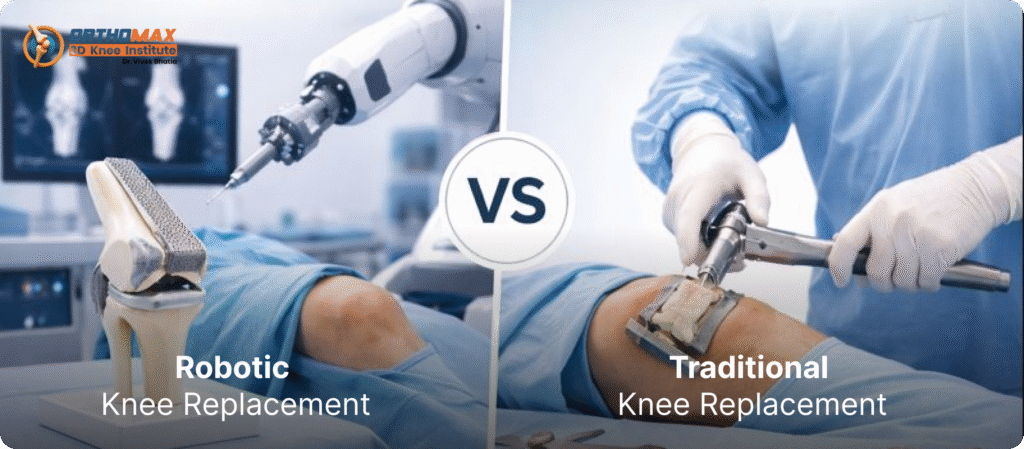
Robotic vs Traditional Knee Replacement: Key Differences Explained Knee replacement surgery has helped millions of people regain mobility, reduce pain, and return to the activities they love. Yet, as medical technology continues to advance, patients today have more options than ever. Two of the most widely discussed approaches are traditional knee replacement and robotic knee replacement. While both aim to restore function and relieve joint pain caused by arthritis or injury, each method differs in precision, technique, recovery, and long-term outcomes. If you are considering knee surgery—either now or in the future—understanding the differences between robotic and traditional approaches can help you make a confident and informed decision. This complete comparison breaks down how each works, their benefits and limitations, cost factors, patient experiences, recovery expectations, and which option may be right for you. Understanding Traditional Knee Replacement Traditional knee replacement surgery has been performed for decades and is still highly successful today. The procedure involves removing damaged bone and cartilage from the knee and replacing them with artificial components made of metal, ceramic, or plastic. During the surgery, the orthopedic surgeon relies on experience, visual assessment, and manual instruments to cut bone, position implants, and align the joint. Advantages of Traditional Knee Replacement Even though robotic assistance is growing in popularity, traditional knee replacement continues to offer several benefits: Long history of proven success Broad surgeon familiarity and expertise Effective pain relief and mobility restoration Suitable for most arthritis cases Availability in most hospitals Traditional knee replacement is also generally less expensive than robotic surgery and may be more accessible in smaller cities or healthcare centers that do not yet use robotic systems. Limitations of Traditional Knee Replacement However, manual surgery does come with some challenges: Joint alignment relies heavily on surgeon’s skill Higher potential for minor variations in implant positioning Longer recovery in some cases Slightly higher risk of soft-tissue disruption Although traditional surgery is extremely safe and successful overall, these factors have inspired the development of more advanced technologies to increase precision and reduce variation. What is Robotic Knee Replacement? Robotic knee replacement integrates computer-assisted planning and robotic arm guidance into the surgical procedure. It doesn’t replace the surgeon—instead, it assists them. Before surgery, 3D imaging and digital mapping are used to create a personalized model of the patient’s knee. During the operation, the robotic system helps guide the surgeon’s movements to ensure accurate cuts and implant positioning. This allows the surgeon to execute the procedure with millimeter-level precision. Advantages of Robotic Knee Replacement Robotic techniques offer several compelling benefits: Precise bone cutting and implant alignment Improved preservation of surrounding tissue Reduced post-surgery pain and swelling Smaller incisions and potentially faster recovery More natural knee feel due to personalized planning Lower risk of premature implant wear The technology is especially beneficial for younger and more active patients who want optimal joint performance and longevity. Limitations of Robotic Knee Replacement Despite its advantages, robotic surgery also has limitations: Higher cost compared to manual replacement Not every hospital offers robotic systems Learning curve for surgeons new to the technology Not always necessary for simple cases While these systems enhance accuracy, outcomes are still strongly influenced by surgeon expertise and proper patient selection. Comparison: Robotic vs Traditional To help clarify the differences, here’s a direct comparison: Factor Traditional Knee Replacement Robotic Knee Replacement Implant Alignment Surgeon’s manual judgment Computer-guided precision Soft Tissue Handling More manual Higher preservation Recovery Speed Moderate Often faster Minimally Invasive Sometimes Typically yes Personalization Standard sizing Custom or highly precise Pain & Swelling Moderate Often reduced Cost Lower Higher Implant Lifespan 15–20+ years Potentially longer Recovery Differences: What Patients Can Expect One of the biggest questions patients ask is how recovery differs between the two methods. Traditional recovery includes: Higher postoperative discomfort Larger incision in some cases Longer rehabilitation Slower return to daily activities Robotic recovery, on the other hand, may offer: Faster mobility in early stages Reduced pain and swelling Lower need for narcotic pain medication Increased confidence due to better joint stability However, individual recovery varies based on age, pre-surgery fitness, surgeon experience, and rehab engagement. Who Is a Good Candidate for Each Type of Surgery? Ideal Candidates for Traditional Knee Replacement Patients with advanced arthritis Elderly patients or lower-activity lifestyles Individuals prioritizing affordability Cases with limited access to robotic systems Ideal Candidates for Robotic Knee Replacement Younger or active adults Patients wanting maximum precision Complex knee deformities Those seeking faster recovery and natural movement Tech-assisted customization Ultimately, the decision should be based on medical evaluation, patient goals, and hospital or surgeon capabilities. Cost Comparison Cost remains an important factor. Traditional knee replacement is typically more affordable due to simpler equipment and widespread availability. Robotic knee replacement is generally costlier because of: advanced robotic systems customization preoperative imaging Insurance coverage also varies. For many patients, long-term durability and reduced revision risk may offset higher upfront costs. Surgeon Expertise Matters Most A key point often overlooked in comparisons is this: Technology enhances, but does not replace, surgeon skill. A highly trained surgeon using traditional methods may provide better outcomes than an inexperienced surgeon using robotics. When choosing between the two: check surgeon experience ask about patient success rates understand available technology A personalized consultation is the best way to determine the most suitable option. Which Option Should You Choose? There is no single best solution for all patients. Both methods are effective and reliable. The choice depends on: patient lifestyle age and health budget implant expectations surgeon recommendation Patients seeking traditional replacement benefit from reliability and accessibility. Patients seeking robotic replacement benefit from precision, personalization, and recovery advantages. Many surgeons today combine both approaches depending on patient needs. The Future of Knee Replacement Robotic technology is likely to continue evolving. The future may include: AI-driven planning smart implants with real-time feedback augmented reality surgical visualization regenerative cartilage solutions Traditional surgery will remain relevant, but robotics will increasingly play a central role—especially for demanding or complex cases. FAQs 1. Is robotic knee replacement safer than

Knee Preservation Techniques to Relieve Pain and Delay Surgery

Advanced Knee Preservation Treatments for Long-Term Joint Health

Knee Preservation Techniques to Relieve Pain and Delay Surgery Knee pain doesn’t always mean surgery is inevitable. In fact, many people can delay or even completely avoid knee replacement with the right combination of early diagnosis, modern therapies, and lifestyle modifications. This approach is known as z, a growing field in orthopaedics that focuses on protecting your natural knee joint for as long as possible. With increasing awareness and access to advanced care—especially knee preservation in Panchkula—patients today have more treatment choices than ever before. Modern centres such as Orthomax 3D Knee Hospital are playing a crucial role by offering technology-driven, patient-specific knee preservation protocols designed to slow joint damage and maintain mobility. This blog explains what knee preservation is, who can benefit from it, the most effective knee preservation techniques, and when surgery becomes unavoidable. What Is Knee Preservation? Knee preservation refers to a range of non-surgical or minimally invasive treatments aimed at maintaining the natural structure and function of the knee joint. The primary goals of knee preservation include: Reducing knee pain Slowing cartilage degeneration Improving joint mobility and stability Delaying or avoiding knee replacement surgery Instead of replacing the joint, knee preservation focuses on protecting, repairing, and strengthening existing tissues. Orthopaedic specialists—especially the best orthopaedics in Panchkula—now recommend knee preservation as the first line of treatment for patients with early to mid-stage knee conditions. Who Is an Ideal Candidate for Knee Preservation? Knee preservation is most effective when started early. You may be a suitable candidate if you: Have early or moderate osteoarthritis Experience knee pain but can still walk and perform daily activities Have partial cartilage damage rather than complete joint collapse Want to avoid or delay knee replacement Are young, middle-aged, or physically active Timely evaluation at a specialised centre like Orthomax 3D Knee Institute can help determine whether your knee joint can still be preserved and which treatment options will work best for you. Top Knee Preservation Techniques That Really Work 1. Weight Management and Activity Modification Excess body weight places significant stress on knee joints. Research shows that even a 5–10% reduction in body weight can significantly reduce knee pain and slow joint damage. Effective strategies include: Low-impact exercises such as walking, cycling, and swimming Avoiding deep squats, running on hard surfaces, and excessive stair climbing Wearing supportive, shock-absorbing footwear Weight control is a foundational step in knee preservation and enhances the results of other treatments. 2. Physiotherapy and Muscle Strengthening Strong muscles around the knee reduce the load on the joint itself. Structured physiotherapy programs focus on: Strengthening the quadriceps, hamstrings, and hip muscles Improving joint stability and balance Reducing stiffness and improving flexibility Today’s knee preservation programs are customized to each patient’s condition, rather than following a one-size-fits-all approach. 3. Medications for Short-Term Relief Medications may be prescribed to manage pain and inflammation during flare-ups. These usually include: Anti-inflammatory drugs Pain relievers for temporary symptom control While medications can provide relief, they should be viewed as supportive treatment rather than a permanent solution for knee preservation. 4. Platelet-Rich Plasma (PRP) Therapy PRP therapy uses the patient’s own blood to extract platelets rich in growth factors. These are then injected into the knee to support healing. Potential benefits include: Reduced inflammation Improved comfort during movement Possible slowing of cartilage breakdown PRP is commonly recommended by the best orthopaedics in Panchkula for patients with early-stage knee degeneration. 5. Viscosupplementation (Gel Injections) Viscosupplementation involves injecting a gel-like substance into the knee joint to improve lubrication. These injections can: Reduce friction inside the joint Improve joint flexibility Delay knee replacement in selected patients Results vary depending on the stage of joint damage, but many patients experience significant symptom relief. 6. Regenerative and Cartilage Preservation Techniques Advanced regenerative treatments aim to support tissue repair and joint function. When performed by experienced specialists, these techniques may: Improve joint environment Slow down degeneration Extend the functional life of the knee joint Such approaches are becoming increasingly important in modern knee preservation strategies. 7. Bracing and Biomechanical Support Custom knee braces and orthotic insoles help improve knee alignment and movement patterns. They work by: Correcting joint alignment Reducing uneven pressure on damaged areas Improving walking comfort and stability These supports are particularly beneficial in early deformities and alignment-related knee pain. 8. Nutrition and Lifestyle Optimisation Diet and lifestyle play a vital role in joint health. A knee-friendly lifestyle focuses on: Omega-3 fatty acids to reduce inflammation Antioxidant-rich fruits and vegetables Adequate protein intake to support muscles Proper vitamin D and calcium levels Healthy lifestyle habits strengthen the effectiveness of medical knee preservation treatments. When Knee Preservation Is No Longer Enough Despite best efforts, knee preservation may not work for everyone. Knee replacement becomes necessary when: Pain severely restricts daily activities Joint deformity continues to worsen Cartilage loss is complete and irreversible Specialised centres like Orthomax 3D Knee Institute emphasise that surgery should be considered only when all effective preservation options have been exhausted. Importance of Early Diagnosis One of the most critical factors in knee preservation success is early diagnosis. Delaying consultation often leads to: Faster joint deterioration Limited non-surgical treatment options Earlier need for surgery Early assessment by the best orthopaedics in Panchkula ensures access to the widest range of knee preservation solutions. Frequently Asked Questions Q1. Can knee preservation completely avoid surgery?In early cases, yes. Many patients successfully delay surgery for years. Q2. Is knee preservation suitable for arthritis patients?Yes, especially for early to moderate osteoarthritis. Q3. Are injections safe for the knee?When performed by experienced specialists, knee injections are safe and effective. Q4. How long do knee preservation results last?Results may last from several months to years, depending on treatment choice and lifestyle. Q5. Where can I get knee preservation in Panchkula?Consult experienced orthopaedic specialists or advanced knee care centres in Panchkula. Final Thoughts Knee pain does not automatically mean surgery. With timely intervention and the right medical approach, knee preservation techniques can help many patients maintain mobility, independence, and quality of life without immediate

How Augmented Reality Is Transforming Modern Knee Replacement

How Augmented Reality Is Transforming Modern Knee Replacement

Knee pain is no longer an “old-age problem.” From athletes to working professionals and seniors, knee joint degeneration and injuries affect daily life across age groups. As expectations from surgery grow—less pain, faster recovery, and longer implant life—technology has stepped in to reshape outcomes. One of the most impactful innovations today is Augmented Reality (AR) in orthopaedic surgery. Augmented Reality is changing how surgeons plan, perform, and perfect knee replacement procedures. Unlike traditional methods that rely heavily on experience and estimation, AR enables real-time visual guidance, precision alignment, and patient-specific customization. This shift is especially visible in advanced orthopaedic centers and among the best orthopaedics in Panchkula, where technology-driven care is redefining standards. What Is Augmented Reality in Knee Replacement? Augmented Reality blends digital information with the surgeon’s real-world view during surgery. Using smart glasses, navigation systems, or digital overlays, AR projects 3D anatomical data directly onto the patient’s knee during the operation. In simple terms: This approach is increasingly used in modern knee replacement surgeries to improve consistency and long-term success. Why Precision Matters in Knee Replacement Even a small error of 1–2 degrees in implant placement can: Traditional techniques depend largely on manual tools and the surgeon’s experience. AR introduces objective precision, ensuring every step aligns with the patient’s anatomy. That’s why AR based knee replacement is seen as a breakthrough rather than just a technological upgrade. How AR Transforms the Knee Replacement Process 1. Advanced Pre-Surgical Planning Before surgery, CT scans or 3D imaging are used to: This personalized planning improves predictability and minimizes surprises during surgery. 2. Real-Time Surgical Guidance During surgery, AR systems: This allows instant correction, making surgery more accurate and controlled. 3. Minimal Invasive Accuracy Because AR reduces uncertainty: These advantages directly contribute to faster recovery and better outcomes. Benefits of AR Based Knee Replacement for Patients Patients choosing AR based knee replacement often experience measurable advantages: Leading specialists among the best orthopaedics in Panchkula now recommend AR-assisted procedures for suitable candidates seeking long-term results. AR vs Traditional Knee Replacement: A Clear Shift Aspect Traditional Surgery AR-Based Surgery Implant alignment Manual estimation Real-time guided Precision level Surgeon-dependent Technology-assisted Recovery consistency Variable More predictable Long-term results Good Superior and durable While traditional knee replacement is still effective, AR adds a layer of accuracy that significantly improves surgical outcomes. Is Augmented Reality Safe and Reliable? Yes. AR in orthopaedics is: Experienced orthopaedic surgeons use AR as an enhancement—combining skill with technology for better patient safety. Who Is an Ideal Candidate for AR Knee Replacement? You may benefit from AR-assisted knee surgery if: Consultation with experts from the best orthopaedics in Panchkula helps determine suitability based on lifestyle, age, and joint condition. Recovery Experience with AR Based Knee Replacement Patients often report: Because the joint mechanics are restored more accurately, physiotherapy becomes smoother and more effective. Role of Surgeon Expertise with AR Technology Technology alone does not guarantee success. Outcomes depend on: That’s why choosing specialists trained in AR based knee replacement is critical. Reputed centers offering advanced knee replacement procedures focus equally on skill and innovation. Why This Matters for Patients in Panchkula With growing access to advanced orthopaedic care, patients no longer need to travel far for world-class treatment. Many clinics led by the best orthopaedics in Panchkula now offer technology-driven solutions comparable to global standards. This makes Panchkula an emerging hub for advanced joint replacement care in North India. FAQs Q1. Is AR-based knee replacement better than robotic surgery? AR focuses on visual guidance and precision, while robotics assist with mechanical execution. Both are effective, and choice depends on surgeon expertise and patient needs. Q2. Does AR-based surgery increase operation time? No. In most cases, planning reduces intraoperative time by improving workflow efficiency. Q3. Is AR knee replacement costlier? Costs may be slightly higher, but reduced complications and long-term benefits often make it cost-effective. Q4. Is recovery faster with AR knee replacement? Yes. Improved alignment leads to quicker mobility and smoother rehabilitation. Q5. Can elderly patients undergo AR-based knee replacement? Yes, age is not a limitation. Overall health and joint condition matter more. Final Thoughts Augmented Reality is not the future of orthopaedics—it’s the present. By combining surgical expertise with digital precision, AR is transforming how knee replacement surgeries are performed and experienced. For patients seeking accuracy, faster recovery, and lasting results, AR based knee replacement offers a smarter, safer path forward. With access to skilled surgeons and advanced care from the Orthomax’s best orthopaedics in Panchkula, patients can confidently step into a pain-free, active life.

Best Treatment for Knee Pain

Knee Preservation or Replacement: Find the Best Treatment Path

Knee Preservation or Replacement: Find the Best Treatment Path Knee pain can make everyday activities uncomfortable and exhausting. When conservative treatments no longer provide enough relief, people often wonder: Should I go for knee preservation or consider knee replacement? Choosing the right treatment path is not always straightforward. The ideal decision depends on your age, activity level, joint damage, lifestyle goals, and how advanced your knee condition is. This guide simplifies the process so you can confidently determine which option aligns with your long-term knee health. Understanding the Difference Before comparing both paths, let’s understand what each actually means. What Is Knee Preservation? Knee preservation focuses on saving your natural joint for as long as possible. It includes treatments that repair, regenerate, or realign your knee to delay or avoid knee replacement surgery. Common knee preservation techniques include: What Is Knee Replacement? Knee replacement (also called knee arthroplasty) involves replacing the damaged bone and cartilage with artificial implants. It may be: Modern knee replacements—especially robotic and computer-assisted ones—are highly precise and long-lasting. When Knee Preservation Is the Better Choice Knee preservation is usually ideal when: 1. You’re Under 50 or Physically Active Younger, active individuals benefit more from preserving their natural joint. It maintains mobility, avoids early implants, and supports sports activities. 2. Damage Is Limited If the cartilage wear is mild to moderate or the tear is repairable, preservation therapies work well. 3. Misalignment Is the Root Cause Sometimes knee pain happens because the knee joint is unevenly loaded.In such cases, osteotomy can correct the alignment and extend joint life. 4. You Want Faster Recovery Most preservation procedures, especially arthroscopy and PRP, involve shorter downtime and quicker return to normal activity. 5. You’re Not Ready for Joint Replacement Preservation helps delay replacement by 5–10 years or more, depending on severity. When Knee Replacement Becomes the Best Option Although knee preservation works well for early and mid-stage damage, replacement becomes necessary when: 1. You Have Advanced Osteoarthritis If bone-to-bone contact, severe cartilage loss, or deformity is present, replacement provides long-term relief. 2. Pain Interferes with Daily Life When even simple activities—standing, walking, bending—become painful, replacement provides reliable improvement. 3. Other Treatments Fail If physiotherapy, injections, medications, or arthroscopy no longer help, it’s time to consider surgery. 4. Sleep Is Affected Due to Pain Night pain is a common indicator of end-stage joint disease. 5. Your Knee Is Losing Stability If your knee regularly locks, gives way, or restricts your motion significantly, replacement restores stability. Comparing the Two: Which Is Right for You? Factor Knee Preservation Knee Replacement Age Suitability Best for < 50 yrs Best for > 55 yrs Joint Damage Level Mild–Moderate Extensive / Severe Recovery Time Faster Longer but more permanent Activity Level Great for sports/active lifestyle Suitable for routine daily activities Longevity Delays replacement Lasts 20–25 years Pain Relief Good Excellent Long-term Solution Temporary Permanent How to Decide Which Treatment Path Is Best for You Here’s a decision-making framework that helps you choose confidently: 1. Identify Your Pain Pattern 2. Assess Mobility Limitations Difficulty in walking or climbing stairs typically indicates advanced damage. 3. Check X-ray & MRI Findings Your imaging reports reveal how much cartilage is left, which helps clinicians recommend the correct path. 4. Consider Your Long-term Plans Younger individuals wanting a natural-feeling knee may prefer preservation, while older adults often choose replacement for long-term relief. 5. Discuss All Options With an Expert A skilled orthopaedician can guide you with a personalized assessment. Benefits of Choosing the Right Treatment Path If You Choose Knee Preservation: If You Choose Knee Replacement: Frequently Asked Questions  1. How do I know if I still qualify for knee preservation? You may qualify if your cartilage damage isn’t severe, your joint alignment is good, and you’re under 50–55. Only an MRI can confirm eligibility. 2. Is knee replacement my only option if I have arthritis? Not always. Early-stage arthritis often responds well to preservation therapies like physiotherapy, PRP injections, or arthroscopy. 3. How long does a knee replacement last? Modern implants typically last 20–25 years, sometimes longer with robotic precision. 4. Which option gives faster recovery? Knee preservation procedures typically offer quicker recovery, but knee replacement provides more lasting relief. 5. Can biologics like PRP delay knee replacement? Yes, PRP and stem-cell–based treatments can reduce pain and delay surgery, especially in mild to moderate knee arthritis. Conclusion Deciding between knee preservation and knee replacement isn’t about choosing one superior option—it’s about selecting the treatment that fits your knee’s current condition. If your joint still has healthy cartilage and you’re active, preservation can help maintain natural function longer. But when damage is severe and pain limits daily life, knee replacement offers more dependable relief and mobility. A proper evaluation by an orthopaedic expert will guide you toward the approach that ensures long-term comfort and joint health.

Knee Surgery

10 Signs You May Need Knee Surgery Soon

10 Signs You May Need Knee Surgery Soon Knee problems are extremely common, especially among individuals who lead active lifestyles, have age-related degeneration, or suffer from old injuries. In many cases, pain or stiffness can be managed with physiotherapy, medications, or lifestyle changes. However, when symptoms become persistent and start affecting daily quality of life, knee surgery may become the most effective long-term solution. This guide explains the 10 most important signs that indicate you may need knee surgery soon, including knee replacement, ACL reconstruction, or cartilage repair—depending on your condition. If you have been experiencing any of the symptoms below, consulting an orthopaedic specialist can help prevent further joint damage. 1. Persistent Knee Pain That Doesn’t Improve Chronic pain lasting longer than a few months is one of the strongest indicators of advanced knee degeneration. If the pain continues despite medication, rest, physiotherapy, or injections, it often suggests structural damage inside the joint. People commonly describe the pain as: Persistent pain is a major sign that the joint may no longer respond to conservative treatments and may require surgical intervention. 2. Difficulty Walking, Standing, or Climbing Stairs When mobility becomes restricted, knee stability and function are likely compromised. If basic movements such as: It can become extremely challenging, it suggests significant damage to the joint surfaces. Knee surgery can restore mobility and improve the ability to perform daily activities comfortably. 3. Severe Morning Stiffness or Stiffness After Rest Mild stiffness is common, but if the knee feels locked, frozen, or difficult to bend for more than 20–30 minutes after waking up, it indicates joint inflammation or cartilage breakdown. Stiffness that worsens over time can be a sign of: Surgery may be required when stiffness limits flexibility and normal joint function. 4. Visible Deformity in the Knee If your knee appears bent inward (knock-knee) or outward (bow-leg), it may indicate structural deterioration. Deformity progresses due to uneven cartilage wear and may lead to: Early surgical correction helps prevent long-term disability and restores joint alignment. 5. Frequent Knee Swelling or Inflammation Swelling that returns repeatedly—especially if the knee feels warm or filled with fluid—may signal chronic internal damage. Common causes include: Recurring swelling means the joint is struggling to repair itself and may benefit from surgical evaluation. 6. Instability or Feeling That the Knee “Gives Way” A knee that suddenly collapses or cannot support your weight may indicate ligament injuries, particularly ACL or PCL tears. Instability puts you at risk for falls and further injury. If bracing and physiotherapy do not restore stability, ligament reconstruction surgery may be required to stabilize the joint. 7. Grinding, Clicking, or Popping Sounds Occasional clicking is normal. However, painful or repetitive grinding sounds, medically known as crepitus, usually indicate: When these sounds are accompanied by pain or swelling, surgical treatment may be the best solution to prevent further deterioration. 8. Reduced Range of Motion If bending or straightening the knee becomes difficult, the joint may have structural blockages such as: A reduced range of motion affects daily life and may require arthroscopy or knee replacement, depending on the underlying cause. 9. Ineffective Non-Surgical Treatments Usually, doctors recommend non-surgical methods such as: If none of these methods offer long-term relief, it indicates the joint damage is too advanced for conservative care and surgery may become necessary. 10. Knee Pain Interfering With Sleep or Daily Life When knee pain prevents restful sleep or interrupts daily routines—such as working, driving, exercising, or performing household activities—it becomes a clear signal of worsening joint degeneration. If knee pain impacts your mental health, productivity, or quality of life, surgical treatment can significantly improve physical and emotional well-being. When Should You Consult a Knee Specialist? You should seek medical evaluation if: An orthopaedic consultant can perform X-rays, MRI scans, and physical examinations to determine whether surgery is required. Types of Knee Surgeries Commonly Recommended Depending on your condition, a specialist may recommend: 1. Total Knee Replacement (TKR) For severe arthritis or bone-on-bone friction. 2. Partial Knee Replacement (PKR) For damage limited to one compartment of the knee. 3. Arthroscopy For meniscus tears, loose bodies, or cartilage issues. 4. ACL / PCL Reconstruction For ligament tears causing instability. 5. Osteotomy For correcting knee deformity in younger patients. Frequently Asked Questions (FAQs) 1. What are the earliest signs that I may need knee surgery? Early indicators include persistent knee pain, difficulty with movement, stiffness after rest, swelling, and a feeling of instability. If these symptoms continue even after rest or physiotherapy, surgical evaluation may be necessary. 2. Can knee arthritis be treated without surgery? Yes. In the early stages, knee arthritis can be managed with medications, physiotherapy, weight control, injections, and lifestyle modifications. Surgery is recommended only when these treatments fail to provide relief. 3. How do I know if knee pain is serious? Knee pain is considered serious if it lasts more than 4–6 weeks, worsens with daily activities, causes swelling, restricts mobility, or interferes with sleep. A medical consultation is recommended in such cases. 4. Does every patient with knee pain require surgery? No. Surgery is considered only when non-surgical treatments do not work or when structural damage inside the joint is significant. Many patients improve with conservative care. 5. What are the common types of knee surgeries recommended? Depending on the condition, doctors may recommend knee arthroscopy, total knee replacement, partial knee replacement, ACL/PCL reconstruction, or corrective osteotomy. 6. How long is the recovery after knee surgery? Recovery time varies by procedure. Arthroscopy may require a few weeks, while knee replacement may take 6–12 weeks for most daily activities. Physiotherapy plays a crucial role in recovery. 7. When should I see a knee specialist? You should visit a knee specialist if your symptoms persist beyond a few weeks, if your knee feels unstable, if swelling occurs frequently, or if knee pain starts affecting your everyday tasks. 8. Is knee replacement safe for older adults? Yes. Modern knee replacement techniques, including robotic and computer-assisted surgeries, are highly safe and deliver excellent

Scroll to Top