orthomax hospital

Author name: admin

Cartilage Preservation_ Early Treatment Options for Knee Damage

Cartilage Preservation: Early Treatment Options for Knee Damage

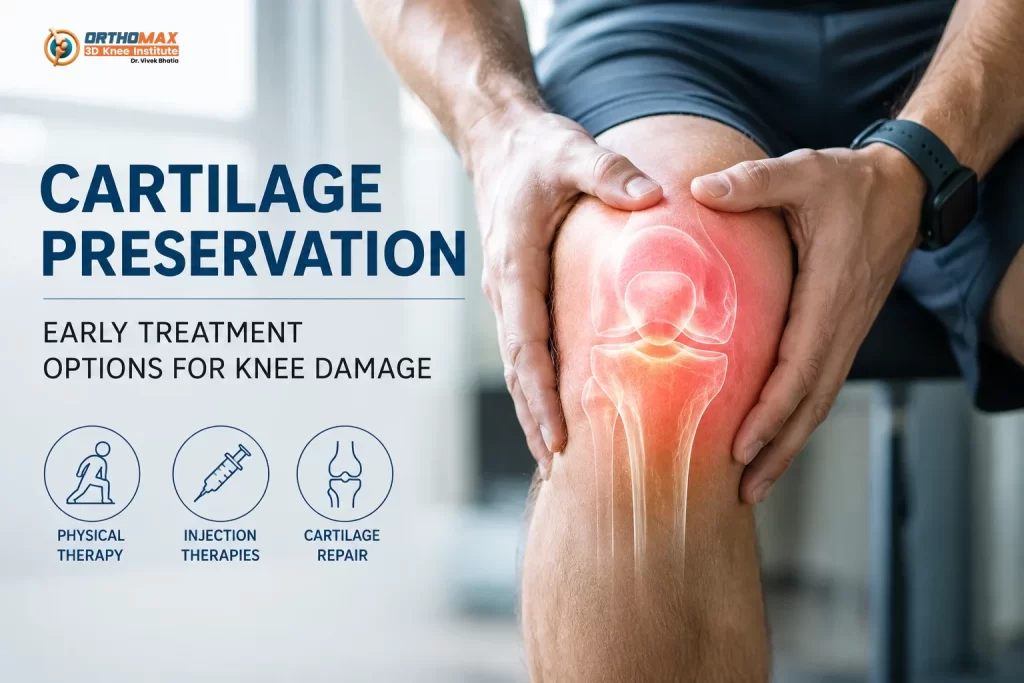
Cartilage Preservation: Early Treatment Options for Knee Damage Knee pain does not always mean that knee replacement is the next step. In many cases, identifying cartilage damage early and choosing the right cartilage preservation strategy may help control symptoms, maintain knee function, and protect the joint for longer. Knee cartilage preservation can include lifestyle changes, physiotherapy, medicines, injections, and selected cartilage repair or restoration procedures. The right approach depends on the location, size and severity of the cartilage damage, along with the patient’s age, activity level and overall knee health. This is important because articular cartilage has a limited ability to heal naturally. Unlike many other tissues, cartilage has no direct blood supply, which makes spontaneous healing difficult. Research also shows that no current cartilage restoration technique can perfectly reproduce normal hyaline cartilage. What Is Knee Cartilage and Why Does It Matter? Articular cartilage is a smooth, resilient layer of tissue that covers the ends of the bones inside the knee joint. It provides a low-friction surface, allowing the femur, tibia and kneecap to move smoothly during everyday activities such as walking, climbing stairs and bending the knee. It also helps distribute pressure across the joint and absorb some of the forces placed on the knee. Healthy cartilage is essential for comfortable and efficient movement. When it becomes damaged, the surface may soften, crack, thin or develop a deeper defect. Depending on the extent and location of the injury, this can lead to pain, swelling, stiffness, reduced mobility or a grinding or catching sensation. What Causes Knee Cartilage Damage? Cartilage damage can develop gradually or occur following an injury. Common causes include: Sports injuries or direct trauma: A sudden impact, twisting injury or fall can damage the cartilage surface. Meniscus or ligament injuries: Problems involving the meniscus or ACL can alter how forces are distributed through the knee, potentially increasing stress on the cartilage. Repetitive joint loading: High-impact activities or repeated movements may contribute to cartilage damage, particularly when combined with other risk factors. Poor knee alignment: Bow-legged or knock-kneed alignment can place greater stress on specific areas of the joint. Previous knee surgery: Certain previous injuries or procedures may affect the long-term condition of the joint. Osteoarthritis: Progressive degeneration can cause cartilage to deteriorate over time. Osteochondral injuries: Some injuries affect not only the cartilage but also the underlying bone. Focal Cartilage Damage vs. Advanced Osteoarthritis Not all cartilage damage means that the knee has advanced arthritis. A person may have a focal cartilage defect, meaning damage is limited to a specific area while much of the surrounding cartilage remains relatively healthy. This distinction matters when considering treatment. Patients with a well-defined cartilage defect and otherwise healthy knee structures may sometimes be candidates for knee cartilage repair or cartilage restoration procedures. In contrast, widespread cartilage loss associated with advanced osteoarthritis may require a different treatment approach. An accurate diagnosis is therefore important before deciding on treatment. The location, size and depth of the cartilage defect, along with knee alignment, ligament stability, meniscus health, activity level and the presence of arthritis, all influence which cartilage preservation treatment may be appropriate. Early Signs of Cartilage Damage in the Knee Cartilage damage does not always produce obvious symptoms initially. Some people discover a cartilage defect during imaging performed for another knee problem. When symptoms occur, they may include: Knee pain during walking, running or stairs Swelling after physical activity Stiffness Catching or locking sensations Reduced range of motion Pain after prolonged sitting Difficulty with squatting or kneeling Grinding or clicking sensations Persistent symptoms after an injury should not simply be treated as normal aging. An orthopaedic assessment can help determine whether the problem involves cartilage, meniscus, ligaments, bone or another structure. How Is Cartilage Damage Diagnosed? Diagnosis usually begins with a medical history and physical examination. The doctor may assess knee stability, alignment, range of motion and areas of tenderness. X-rays are useful for assessing bone alignment and joint-space changes associated with osteoarthritis. MRI can provide more detailed information about cartilage, menisci, ligaments and other soft tissues. The important point is that treatment should not be based on an MRI report alone. The size and appearance of a cartilage defect need to be considered alongside symptoms, physical findings and the overall condition of the knee. Cartilage Preservation Treatment: Start With the Basics Not every cartilage injury requires surgery. In early disease, the objective of cartilage preservation treatment is often to reduce excessive joint stress, improve muscle support and control symptoms. 1. Physiotherapy and Therapeutic Exercise Exercise is one of the most important conservative options for people with knee osteoarthritis and many other knee conditions. A structured programme may include: Quadriceps strengthening Hamstring strengthening Hip and gluteal strengthening Low-impact aerobic activity Balance and neuromuscular training Flexibility exercises The American Academy of Orthopaedic Surgeons recommends strengthening, low-impact aerobic exercise, neuromuscular education and physical activity for people with symptomatic knee osteoarthritis. NICE similarly recommends tailored therapeutic exercise, including muscle strengthening and general aerobic fitness. The goal is not to “regrow” cartilage through exercise. Instead, stronger muscles can improve joint support and physical function while helping patients remain active. 2. Weight Management For people with excess body weight, weight management can be an important part of how to preserve knee cartilage and manage osteoarthritis symptoms. The AAOS recommends sustained weight loss to improve pain and function in overweight and obese patients with knee osteoarthritis. NICE also recommends weight management where appropriate and notes that losing 10% of body weight is likely to provide greater benefits than losing 5%. Weight management should not be viewed as a quick fix. It works best when combined with appropriate physical activity, nutrition and professional guidance. 3. Activity Modification Complete rest is rarely the long-term answer. Instead, patients may need to modify activities that repeatedly overload the knee. For example, a person with painful cartilage damage may temporarily reduce: High-impact running Repeated jumping Deep squats Activities involving frequent twisting High-load exercises that aggravate symptoms Low-impact activities such as cycling, swimming
how diabetes affects knee replacement surgery and recovery

How Diabetes Affects Knee Replacement Surgery and Recovery

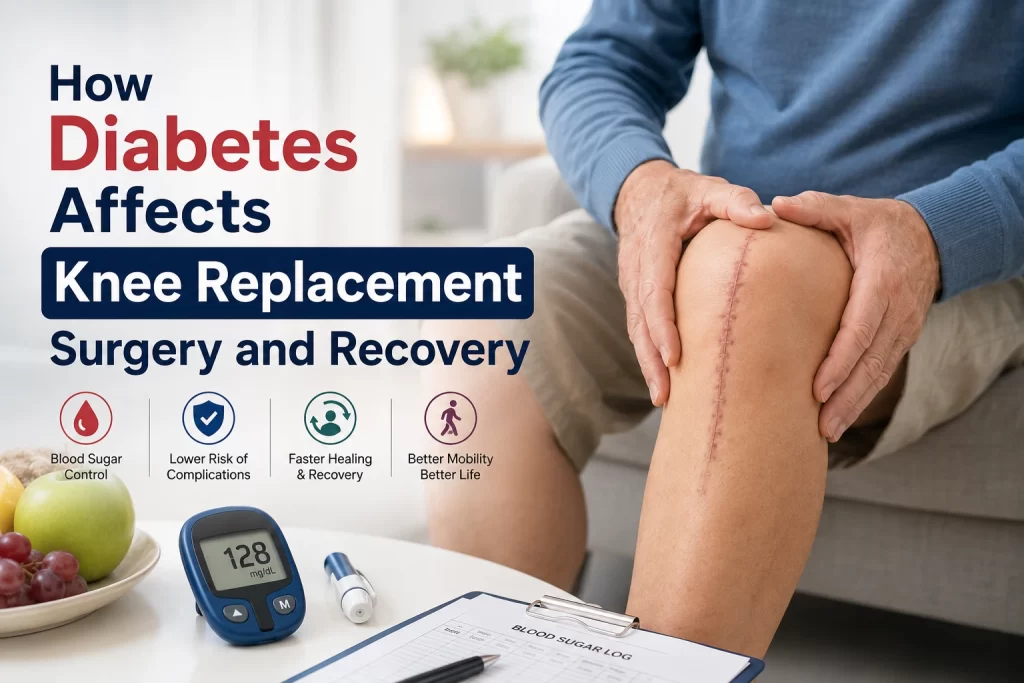
How Diabetes Affects Knee Replacement Surgery and Recovery If you have diabetes and are considering knee replacement surgery, you may wonder whether high blood sugar can affect the operation or how quickly you recover. Diabetes does not automatically prevent you from having a total knee replacement, but it can increase the risk of certain complications, particularly when blood glucose is poorly controlled. The good news is that many of these risks can be reduced through careful preparation, diabetes management, appropriate surgical planning and consistent rehabilitation. Recent evidence supports taking diabetes seriously before and after knee replacement. A 2025 overview of systematic reviews found that people with diabetes undergoing total knee arthroplasty had higher risks of periprosthetic joint infection, deep vein thrombosis and hospital readmission than people without diabetes. Does Diabetes Affect Knee Replacement Surgery? Yes, diabetes can affect knee replacement surgery and recovery, especially when blood sugar is poorly controlled. High glucose levels can make it harder for the body to fight infection and heal the surgical wound. Surgery can also temporarily raise blood sugar because of the body’s stress response. The American Diabetes Association’s 2026 guidelines recommend a preoperative A1C below 8% for elective surgery when appropriate, along with perioperative blood glucose monitoring. Diabetes does not mean you cannot have a successful knee replacement. However, research shows a higher risk of complications such as periprosthetic joint infection. One review of 120,754 knees found infection rates of 1.9% in patients with diabetes compared with 1.2% in those without diabetes. Your risk also depends on factors such as HbA1c, kidney and heart health, weight, medications and overall fitness. Good diabetes management before and after surgery can help support safer recovery. How Diabetes Increases the Risk of Infection After Knee Replacement Knee replacement involves placing an artificial joint inside the body. Although infection after knee replacement is uncommon overall, it can be a serious complication when it occurs because bacteria can infect tissues surrounding the implant. Diabetes is associated with a higher risk of infection. A systematic review and meta-analysis involving 120,754 knees found that infection occurred in about 1.9% of knees among patients with diabetes compared with 1.2% among patients without diabetes. The researchers calculated an approximately 1.84-times higher infection risk in people with diabetes. More recent evidence continues to support this association. A 2025 meta-analysis of 39 studies reported higher odds of periprosthetic joint infection and revision surgery among patients with diabetes after total knee arthroplasty. However, these numbers describe populations, not an individual’s exact risk. Diabetes is only one factor among several. Why High Blood Sugar Can Increase Infection Risk High blood glucose can affect immune-system function and circulation. Diabetes can also damage nerves and blood vessels over time, particularly when glucose has been poorly controlled for years. These changes can make it harder for the body to respond to infection and heal injured tissue. The CDC notes that diabetes can impair the body’s ability to fight infections and that wounds may take longer to heal. This is why blood sugar control before knee replacement is an important part of surgical preparation. Diabetes and Wound Healing After Knee Replacement Another concern is delayed wound healing after knee replacement. After surgery, the incision needs to heal properly before the skin and deeper tissues fully recover. Poorly controlled diabetes can slow this process. The American Academy of Orthopaedic Surgeons (AAOS) specifically notes that uncontrolled diabetes can slow healing of bones, muscles, tendons and skin while increasing infection risk. A slow-healing wound does not necessarily mean the knee replacement has failed. However, persistent drainage, increasing redness, swelling, warmth or worsening pain should not be ignored because these can indicate infection or another postoperative problem. What HbA1c Level Is Safe for Knee Replacement? There is no universal HbA1c value that guarantees a complication-free knee replacement. For elective surgery, the American Diabetes Association recommends an A1C goal below 8% within three months of surgery, with an individualized risk-benefit assessment. It also recommends maintaining blood glucose around 100–180 mg/dL (5.6–10.0 mmol/L) during the perioperative period. Importantly, HbA1c should not be viewed in isolation. It reflects average blood glucose over roughly the previous two to three months, whereas glucose levels can change considerably around surgery. Recent research has also questioned whether HbA1c alone is sufficient to predict infection after joint replacement. A 2025 study noted that an optimal preoperative HbA1c threshold for predicting periprosthetic joint infection has not been firmly established. Your surgeon and diabetes-care team may therefore consider your recent glucose readings, HbA1c, medications, kidney function, cardiovascular health and other risk factors together. How Diabetes Can Affect Recovery After Knee Replacement The recovery after knee replacement with diabetes can be similar to recovery in other patients, but closer monitoring may be required. Several factors can influence recovery: Blood glucose control Wound healing Infection prevention Muscle strength before surgery Physical activity Body weight and nutritional status Kidney and cardiovascular health Ability to participate in physiotherapy Other diabetes-related complications Diabetes itself does not mean that rehabilitation will fail. In fact, appropriate physical therapy remains an important part of restoring knee movement, strength and function. The difference is that your medical team may monitor you more closely and adjust treatment as your activity, appetite and glucose levels change. Blood Sugar Management Before and After Knee Replacement Managing diabetes is an important part of preparing for knee replacement surgery. Blood glucose can rise around the time of surgery because the body responds to surgical stress. If blood sugar remains too high, it may increase the risk of infection and other postoperative complications. The American Diabetes Association (ADA) recommends an individualized preoperative A1C goal of below 8% within three months of elective surgery, where appropriate, and recommends monitoring blood glucose before, during and after surgery. Before surgery, your healthcare team may review: 1. HbA1c and recent blood glucose levels HbA1c gives your doctor an idea of your average blood sugar control over the previous few months. Recent glucose readings can provide additional information about how stable your levels are.

Cartilage Repair Surgery Procedure Benefits & Recovery

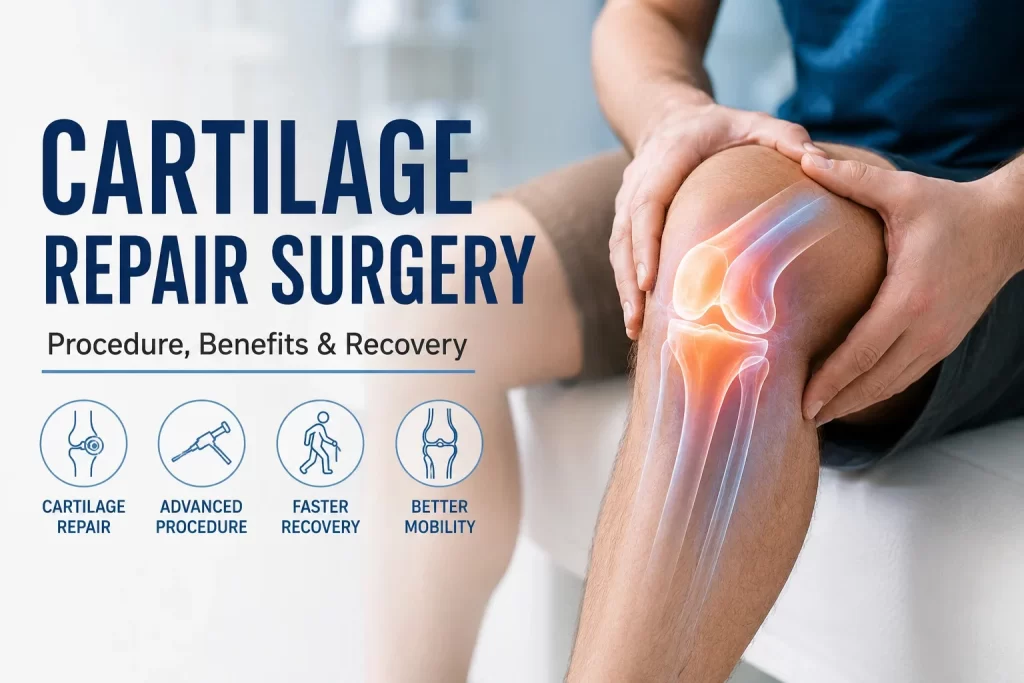
Cartilage Repair Surgery: Procedure, Benefits & Recovery

Cartilage Repair Surgery: Procedure, Benefits & Recovery Cartilage repair surgery is an advanced orthopaedic procedure designed to restore damaged cartilage in joints, particularly the knee. Healthy cartilage allows bones to glide smoothly, absorbs shock during movement, and supports normal joint function. When cartilage becomes damaged due to injury, sports activities, or gradual wear, it has a limited ability to heal on its own because it has very little blood supply. If left untreated, cartilage damage may lead to persistent pain, swelling, stiffness, reduced mobility, and, in some cases, early osteoarthritis. Modern cartilage restoration surgery offers several techniques that aim to repair or replace damaged cartilage while preserving the natural joint for as long as possible. This guide explains how cartilage repair surgery works, who may benefit from it, the different surgical techniques available, what to expect during the procedure, and how recovery typically progresses. What Is Cartilage Repair Surgery? Cartilage repair surgery refers to a group of orthopaedic procedures used to treat damaged articular cartilage, the smooth tissue that covers the ends of bones within a joint. Because articular cartilage has a very limited blood supply, its ability to heal naturally after injury is limited. The primary goals of cartilage repair surgery are to: Relieve joint pain Improve joint function and mobility Restore a smoother joint surface where possible Help patients return to daily activities or sports, when appropriate Preserve the natural joint and, in suitable patients, potentially delay the need for joint replacement surgery Most cartilage repair procedures are performed on the knee, as it is the joint most commonly affected by focal cartilage injuries. However, similar articular cartilage repair techniques may also be used in selected cases involving the ankle, hip, shoulder, or elbow. Understanding Knee Cartilage Damage The knee is a commonly affected joint because it supports body weight during everyday activities such as walking, climbing stairs, running, and jumping. These repetitive forces make the knee more susceptible to cartilage injuries and degenerative changes over time. Articular cartilage is a smooth, durable tissue that covers the ends of the bones within the knee joint. It allows the joint surfaces to move against each other with minimal friction while helping to distribute load and absorb shock during movement. Cartilage damage can develop suddenly after an injury or gradually over time. Common causes include: Sports-related injuries Twisting or pivoting movements Falls or direct trauma to the knee Previous ligament injuries, such as an ACL tear Meniscus injuries Repetitive high-impact activities Joint instability or abnormal joint alignment Age-related wear and degeneration Studies have shown that focal cartilage defects are frequently identified during knee arthroscopy, particularly in active adults and athletes. However, not every cartilage defect causes symptoms. Some are discovered incidentally, while larger or deeper lesions are more likely to cause persistent pain, swelling, stiffness, or reduced knee function. The need for treatment depends on factors such as the size and location of the defect, symptom severity, activity level, and the overall condition of the joint. Who May Need Cartilage Repair Surgery? Not every cartilage injury requires surgery. Many people experience improvement with conservative cartilage damage treatment, which may include physiotherapy, activity modification, weight management, pain-relieving or anti-inflammatory medications where appropriate, and, in selected cases, injectable treatments. The most suitable approach depends on the cause, location, and severity of the cartilage injury. An orthopaedic surgeon may consider knee cartilage repair surgery when a patient has: Persistent knee pain that continues despite an appropriate course of non-surgical treatment A localised (focal) cartilage defect confirmed through clinical assessment and imaging, such as MRI Swelling that recurs with activity Mechanical symptoms, including catching or locking of the knee Reduced ability to participate in work, exercise, or sports because of knee symptoms Stable knee ligaments and satisfactory joint alignment, or conditions that can be corrected if necessary Healthy surrounding cartilage and sufficient bone quality to support a cartilage restoration procedure In general, cartilage repair surgery is most commonly considered for people with isolated cartilage injuries rather than widespread joint degeneration. Younger and physically active individuals often achieve favourable outcomes, but age alone does not determine eligibility. Factors such as the size and location of the cartilage defect, overall knee health, activity level, medical history, and personal treatment goals all play an important role in deciding whether cartilage restoration surgery is an appropriate option. Common Symptoms of Cartilage Damage The symptoms of cartilage damage can vary depending on the size, depth, and location of the injury. Some people experience only mild discomfort, while others develop symptoms that interfere with everyday activities or sports. It’s also important to note that these symptoms are not unique to cartilage injuries and may occur with other knee conditions. A proper medical evaluation is needed to determine the underlying cause. Common symptoms may include: Knee pain during or after physical activity Swelling, particularly following exercise or prolonged activity Joint stiffness, especially after periods of rest Reduced range of motion Clicking, catching, or grinding sensations during movement A feeling that the knee locks or gets stuck Pain when climbing stairs, squatting, or kneeling Difficulty with running, jumping, or other high-impact activities Reduced ability to participate in sports or physically demanding activities If these symptoms persist, worsen over time, or develop after a knee injury, consult an orthopaedic specialist for a comprehensive assessment. Early diagnosis can help identify the cause and guide appropriate treatment. How Is Cartilage Damage Diagnosed? Accurately diagnosing cartilage damage is essential for selecting the most appropriate treatment, whether that involves non-surgical care or cartilage repair surgery. An orthopaedic specialist will typically combine your medical history, physical examination, and imaging findings to assess the extent of the injury. 1. Medical History Your doctor will begin by discussing your symptoms and overall health. Understanding how the problem developed can provide important clues about the underlying cause. Common questions include: When did your knee pain begin? Did your symptoms start after an injury or develop gradually? Which activities make the pain worse? Do you experience swelling, locking, or catching of

Revision Knee Replacement Surgery

Revision Knee Replacement Surgery: Causes, Procedure & Recovery

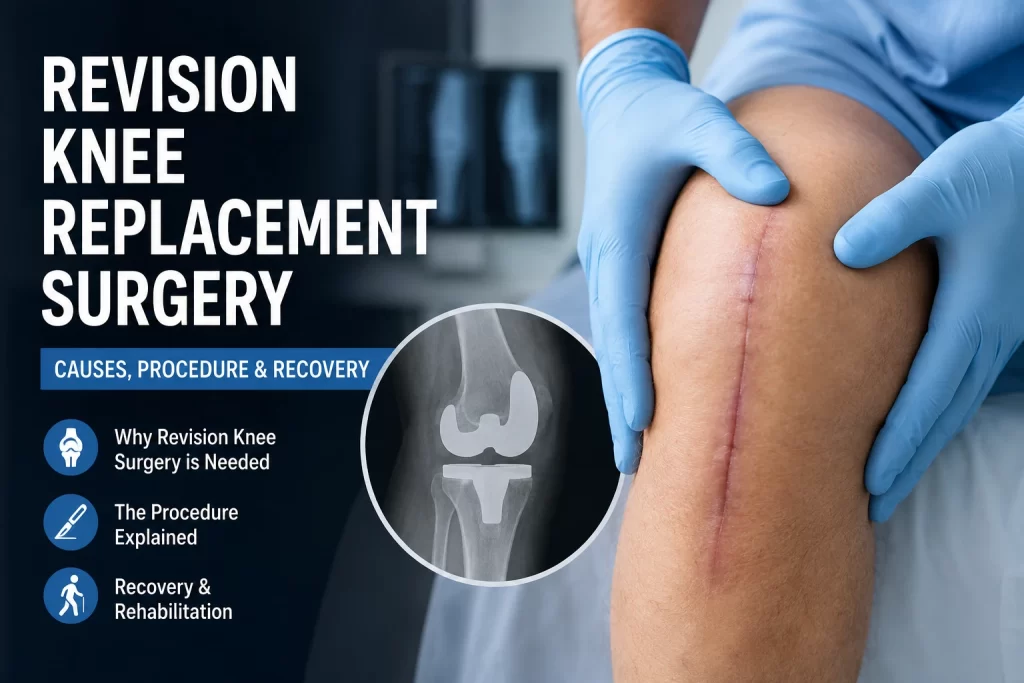
Revision Knee Replacement Surgery: Causes, Procedure & Recovery Revision knee replacement surgery is a specialised procedure performed when a previous knee replacement no longer functions as expected. While modern knee replacement implants are designed to last for many years, they may eventually wear out, loosen, become infected, or fail due to other complications. In such cases, revision knee replacement surgery helps restore joint function, reduce pain, and improve mobility. Unlike a primary knee replacement, revision surgery is more complex because the surgeon must remove the existing implant, evaluate the surrounding bone and soft tissues, and replace it with a new prosthesis. Advances in implant technology, surgical planning, and robotic-assisted techniques have significantly improved the outcomes of revision procedures. This guide explains why revision knee replacement surgery may be required, the warning signs to watch for, how the procedure is performed, expected recovery, potential risks, and frequently asked questions. What Is Revision Knee Replacement Surgery? Revision knee replacement surgery is a procedure performed to replace or repair a previous knee replacement when the original implant has failed or is no longer functioning as intended. It may be recommended if the artificial joint becomes loose, wears out over time, becomes infected, or if complications such as instability, stiffness, or a fracture around the implant affect knee function. Depending on the underlying problem, revision surgery may involve replacing: A single component of the implant Multiple implant components The entire knee prosthesis Compared with a primary knee replacement, revision surgery is generally more complex. The surgeon may need to remove the existing implant, address bone loss or damaged soft tissues, and reconstruct the joint using specialised revision implants. Because each case is different, the surgical approach is tailored to the patient’s condition, the reason for implant failure, and the quality of the surrounding bone and ligaments. Why Might a Knee Replacement Need Revision? Although knee replacement surgery has excellent long-term outcomes, no artificial joint is designed to last indefinitely. According to the American Academy of Orthopaedic Surgeons (AAOS) and data from national joint replacement registries, many modern knee replacements continue to function well for 15 to 20 years or longer, particularly when the implant is well-positioned and the patient maintains good overall joint health. However, some patients may require revision knee replacement surgery earlier due to implant-related problems, injury, infection, or other complications. Common reasons for revision include: 1. Implant Wear The plastic (polyethylene) spacer between the metal components can gradually wear down over time, particularly after many years of use. Although advances in implant materials have improved durability, wear can still occur and may produce microscopic particles that trigger inflammation. In some cases, this inflammatory response contributes to bone loss around the implant (osteolysis), increasing the risk of implant loosening. 2. Implant Loosening (Aseptic Loosening) Aseptic loosening refers to the loss of fixation between the implant and the surrounding bone without the presence of infection. It remains one of the most common reasons for revision knee replacement. Patients may experience increasing pain during weight-bearing activities, reduced stability, or difficulty performing everyday movements. 3. Periprosthetic Joint Infection A deep infection around the artificial knee joint can develop shortly after surgery or many years later through the spread of bacteria from another part of the body. Because bacteria can adhere to the implant surface and form protective biofilms, antibiotics alone are often insufficient to eradicate the infection. Depending on the severity, treatment may involve one-stage or two-stage revision surgery in addition to targeted antibiotic therapy. 4. Knee Instability If the supporting ligaments become damaged or the implant no longer provides adequate stability, the knee may feel as though it is giving way during walking or changing direction. Instability can affect balance, reduce confidence while walking, and increase the risk of falls, making revision surgery necessary in selected cases. 5. Periprosthetic Fracture A fracture involving the bone surrounding the knee implant may occur after a fall, trauma, or in individuals with weakened bone quality, such as osteoporosis. Depending on the location and severity of the fracture, revision surgery may be required to restore stability and joint function. 6. Persistent Stiffness Some patients develop significant stiffness after knee replacement despite appropriate rehabilitation. If reduced range of motion is caused by implant malposition, excessive scar tissue, or mechanical problems that cannot be managed with non-surgical treatment, revision surgery may be considered after careful assessment. 7. Persistent Pain Persistent pain following knee replacement does not always indicate implant failure. It may be related to soft tissue conditions, nerve-related pain, infection, implant loosening, instability, or problems involving the hip or spine. A detailed clinical evaluation, supported by imaging and, where appropriate, laboratory investigations, is essential to identify the underlying cause. Revision surgery is considered only when a treatable implant-related problem has been confirmed. Signs You May Need Revision Knee Replacement Surgery Not everyone who experiences pain or discomfort after a knee replacement will require revision knee replacement surgery. However, persistent or new symptoms should be evaluated by an orthopaedic surgeon, particularly if they interfere with daily activities or worsen over time. Signs that may indicate a problem with the existing knee implant include: Persistent or worsening knee pain Swelling that does not improve or keeps returning Knee instability or a feeling that the joint is giving way Reduced range of motion or increasing stiffness Difficulty walking or climbing stairs New pain during weight-bearing activities Warmth, redness, or drainage around the surgical site Fever accompanied by knee pain or swelling, which may suggest infection Clicking, grinding, or other unusual mechanical sensations associated with pain or instability A noticeable change in the alignment or function of the knee These symptoms do not always mean that revision surgery is necessary. They may be caused by implant wear, loosening, infection, instability, or other conditions that require medical assessment. An orthopaedic surgeon will typically perform a physical examination and may recommend imaging tests, blood tests, or joint fluid analysis to determine the underlying cause and the most appropriate treatment. Seeking medical advice early can

hip replacement surgery

Hip Replacement Surgery: Benefits, Risks and Recovery Explained

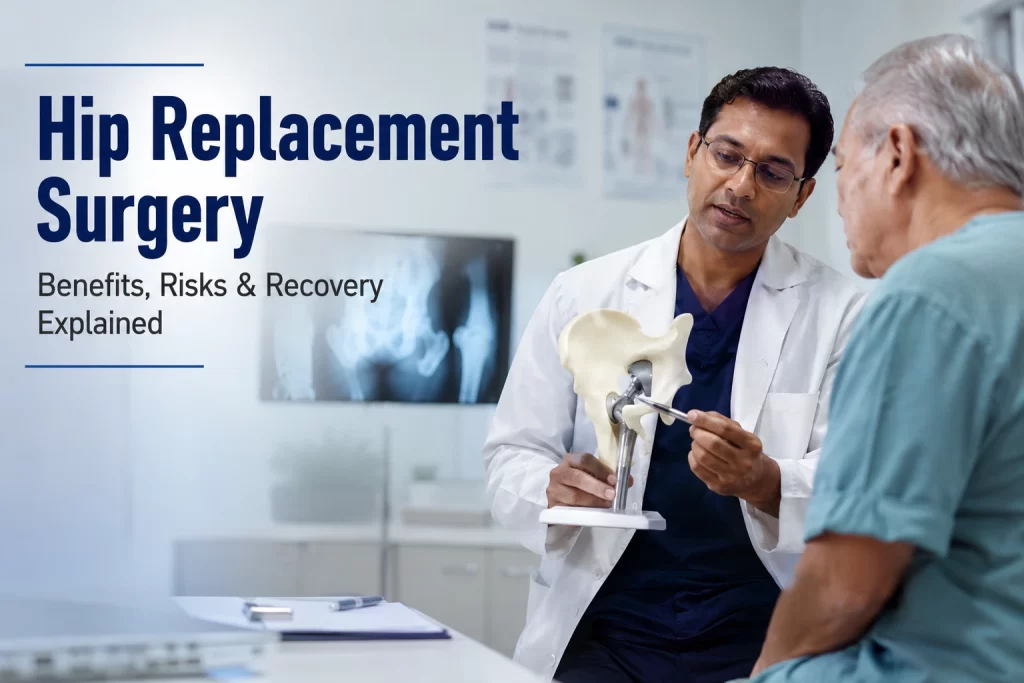
Hip Replacement Surgery: Benefits, Risks and Recovery Explained Hip pain can make even simple daily activities difficult. Walking, climbing stairs, sitting for long periods, or getting out of bed may become painful when the hip joint is damaged. When medications, physiotherapy, and lifestyle changes no longer provide lasting relief, hip replacement surgery may be recommended. Hip replacement is one of the most successful orthopaedic procedures performed worldwide. According to the American Academy of Orthopaedic Surgeons (AAOS), more than 90% of modern hip replacements continue to function well for at least 15 years, with many lasting 20 years or longer depending on the patient and implant type. This guide explains who may need hip replacement surgery, how the procedure works, its benefits, potential risks, recovery timeline, and what to expect before and after surgery. What Is Hip Replacement Surgery? Hip replacement surgery, also known as hip arthroplasty, is a surgical procedure in which damaged parts of the hip joint are replaced with artificial implants. The most common type is total hip replacement, where both the ball (femoral head) and the socket (acetabulum) are replaced to restore joint function. The hip is a ball-and-socket joint that allows smooth movement and supports your body’s weight during activities such as walking, climbing stairs, and sitting. The ball is the head of the femur (thigh bone). The socket is the acetabulum, a cup-shaped part of the pelvis. Over time, conditions such as osteoarthritis, rheumatoid arthritis, injury, or avascular necrosis can damage the cartilage that cushions the joint. As the cartilage wears away, the bones may rub against each other, leading to pain, stiffness, inflammation, and reduced mobility. During the procedure, the damaged femoral head is removed, the hip socket is prepared by removing worn cartilage, and artificial components are implanted to recreate the joint. Modern hip implants are commonly made from durable materials such as: Titanium alloys Ceramic Highly cross-linked polyethylene (medical-grade plastic) Cobalt-chromium alloys These materials are designed to provide a smooth, stable joint that can improve mobility, relieve pain, and withstand everyday wear over many years. Who Needs Hip Replacement Surgery? Hip replacement surgery is usually recommended when hip pain and stiffness significantly affect your quality of life, and non-surgical treatments no longer provide adequate relief. Before considering surgery, doctors typically recommend conservative treatments such as pain medication, physiotherapy, activity modification, weight management (where appropriate), or assistive walking devices. You may be a suitable candidate for hip replacement surgery if your symptoms are caused by conditions such as: Hip osteoarthritis, the most common reason for hip replacement Rheumatoid arthritis or other inflammatory joint diseases Avascular necrosis (osteonecrosis), where reduced blood supply damages the hip joint Certain hip fractures, particularly in older adults Congenital or developmental hip disorders, such as hip dysplasia Severe joint damage resulting from previous injuries or trauma Signs You May Benefit from Hip Replacement Surgery Your orthopaedic surgeon may recommend hip replacement if you experience one or more of the following: Persistent hip pain that limits daily activities Pain that continues even while resting or sleeping Difficulty walking, climbing stairs, or standing for extended periods Reduced hip movement and increasing joint stiffness Limited improvement despite medication, physiotherapy, or other non-surgical treatments Difficulty performing routine tasks such as getting in and out of a chair or putting on shoes The decision to proceed with surgery is based on a combination of your symptoms, physical examination, imaging tests (such as X-rays or MRI scans when required), overall health, and personal goals. An experienced orthopaedic surgeon will discuss the potential benefits, risks, and expected outcomes to help determine whether hip replacement is the most appropriate treatment for your condition. Types of Hip Replacement Surgery The type of hip replacement surgery recommended depends on the condition affecting your hip joint, your age, activity level, bone quality, and the extent of joint damage. Your orthopaedic surgeon will recommend the most appropriate option after a thorough clinical assessment.  1. Total Hip Replacement  Total hip replacement is the most commonly performed procedure. During surgery, both the damaged femoral head (ball) and the acetabulum (socket) are replaced with artificial implants to restore smooth joint movement. It is commonly recommended for: Advanced hip osteoarthritis Rheumatoid arthritis Severe cartilage damage Chronic hip pain affecting daily activities 2. Partial Hip Replacement In a partial hip replacement, only the damaged femoral head is replaced, while the natural hip socket is preserved. This procedure is generally performed for: Certain hip fractures, particularly in older adults Patients whose hip socket remains healthy It is less commonly used for arthritis than total hip replacement. 3. Revision Hip Replacement Revision hip replacement is performed when an existing hip implant needs to be repaired or replaced. Although modern implants are designed to last many years, revision surgery may become necessary because of: Implant wear over time Loosening of components Infection Recurrent hip dislocation Periprosthetic fracture (fracture around the implant) Revision procedures are typically more complex than primary hip replacement and require careful surgical planning. 4. Robotic-Assisted Hip Replacement Robotic-assisted hip replacement is an advanced surgical technique that helps surgeons plan the procedure and position implants with greater accuracy. It is important to note that robotic systems assist the surgeon—they do not perform the operation independently. Potential benefits may include: More precise implant positioning Personalised surgical planning based on the patient’s anatomy Improved alignment in selected cases Current evidence suggests robotic assistance can improve implant placement accuracy. However, successful long-term outcomes still depend on several factors, including the surgeon’s expertise, implant selection, patient health, and commitment to rehabilitation. Benefits of Hip Replacement Surgery For people living with persistent hip pain and limited mobility, hip replacement surgery can provide significant improvements in daily function and overall quality of life. While individual outcomes vary, most patients experience meaningful pain relief, better mobility, and improved independence after completing rehabilitation.  1. Pain Relief One of the primary benefits of hip replacement surgery is reducing chronic hip pain caused by conditions such as osteoarthritis, rheumatoid arthritis, or hip joint damage. By replacing

Joint Pain Symptoms, Diagnosis, and Treatment Options

Joint Pain: Symptoms, Diagnosis, and Treatment Options

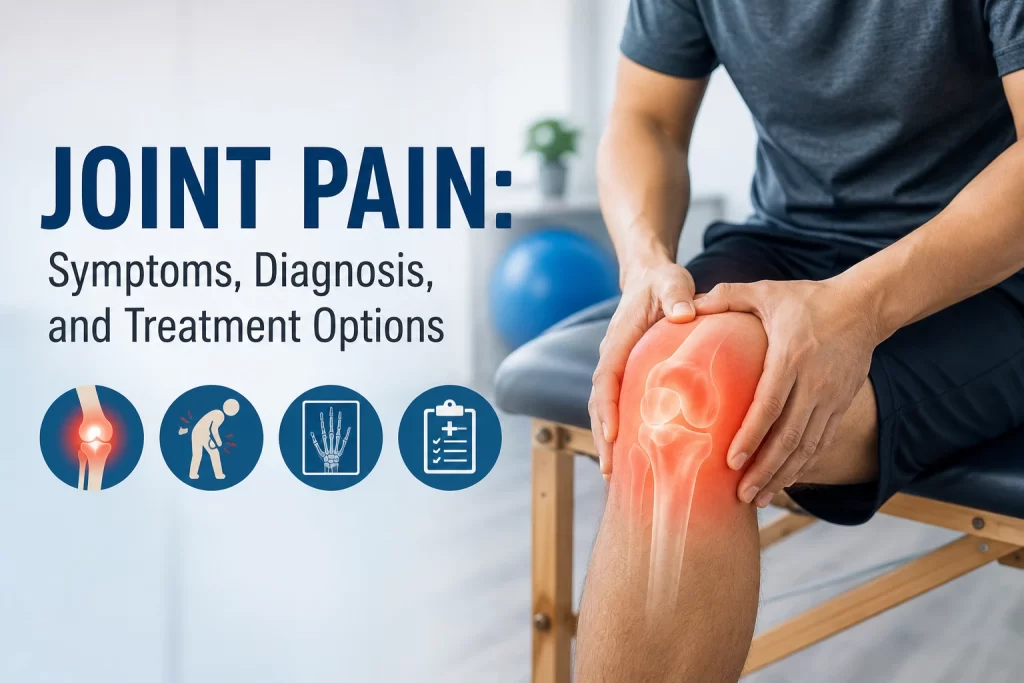
Joint Pain: Symptoms, Diagnosis, and Treatment Options Joint pain can make even the simplest daily activities difficult. Walking, climbing stairs, lifting objects, or even getting out of bed may become uncomfortable when your joints are affected. While occasional joint discomfort can result from overuse or minor injuries, persistent pain may indicate an underlying condition that requires medical attention. Understanding the causes, symptoms, and available treatment options for joint pain is the first step toward long-term relief. Early diagnosis and the right treatment plan can help reduce pain, improve mobility, and prevent further joint damage. What Is Joint Pain? Joint pain (also known as arthralgia) is pain, discomfort, or stiffness in or around one or more joints. A joint is the point where two bones meet, allowing movement and providing support to the body. Joint pain is a symptom rather than a disease and can result from a wide range of conditions, including injuries, osteoarthritis, autoimmune diseases such as rheumatoid arthritis, infections, or overuse. While it can affect people of any age, it becomes more common with increasing age due to natural wear and tear of the joints. Symptoms may develop suddenly after an injury or gradually over time. Depending on the underlying cause, joint pain may be mild and short-lived or persistent enough to interfere with daily activities and mobility. The joints most commonly affected include: Knees Shoulders Hips Ankles Wrists Fingers and hands Elbows Neck and lower back joints Common Symptoms of Joint Pain The symptoms of joint pain can vary depending on the underlying cause, whether it is an injury, arthritis, infection, or an inflammatory condition. Some people experience mild discomfort that comes and goes, while others may have persistent pain that affects daily activities. Common symptoms include: 1. Pain During Movement Pain may occur when walking, climbing stairs, bending, lifting objects, or using the affected joint. Depending on the cause, the pain may improve with rest or continue even when the joint is not being used. 2. Joint Stiffness Stiffness is often more noticeable after periods of inactivity, such as waking up in the morning or sitting for a long time. Morning stiffness that lasts longer than 30–60 minutes is more commonly associated with inflammatory conditions such as rheumatoid arthritis, whereas stiffness from osteoarthritis usually improves within about 30 minutes of movement.  3. Swelling Inflammation or excess fluid within the joint can cause swelling, making the joint appear enlarged and feel uncomfortable or tight. Swelling may develop gradually or occur suddenly, depending on the underlying condition.  4. Redness and Warmth A joint that appears red and feels warm to the touch may indicate active inflammation or, less commonly, a joint infection. If these symptoms are accompanied by fever or severe pain, prompt medical assessment is recommended.  5. Reduced Range of Motion Joint pain may make it difficult to fully bend, straighten, or rotate the affected joint. Reduced mobility can interfere with everyday activities such as walking, dressing, or reaching overhead. 6. Clicking, Popping, or Grinding Sensations  Some people notice clicking, popping (crepitus), or grinding sounds when moving a joint. These sounds are not always a sign of disease and may occur in healthy joints. However, when accompanied by pain, swelling, or reduced function, they may be associated with conditions such as osteoarthritis or cartilage damage.  7. Weakness or Joint Instability  Pain, inflammation, or injury can reduce the strength of the muscles supporting a joint, leading to weakness or a feeling that the joint may “give way.” This is commonly seen after ligament injuries or in advanced joint disease.  Common Causes of Joint Pain Joint pain can develop due to injury, inflammation, infection, or long-term wear and tear. Determining the underlying cause is essential because treatment varies depending on the diagnosis. 1. Osteoarthritis Osteoarthritis is the most common cause of chronic joint pain, particularly in older adults. It occurs when the cartilage that cushions the ends of bones gradually breaks down, causing pain, stiffness, swelling, and reduced joint movement. Weight-bearing joints such as the knees, hips, and spine are most commonly affected.  2. Rheumatoid Arthritis Rheumatoid arthritis is an autoimmune disease in which the immune system mistakenly attacks the lining of the joints (synovium). It typically affects multiple joints on both sides of the body and can lead to persistent inflammation, pain, swelling, and progressive joint damage if left untreated.  3. Joint Injuries  Acute injuries such as ligament sprains, tendon injuries, cartilage damage, meniscus tears, fractures, or joint dislocations can cause immediate joint pain. In some cases, these injuries may also increase the risk of developing osteoarthritis later in life.  4. Bursitis Bursitis is the inflammation of the bursae—small fluid-filled sacs that reduce friction between bones, tendons, and muscles. It commonly affects the shoulder, elbow, hip, and knee, causing pain that often worsens with movement or prolonged pressure.  5. Tendinitis Tendinitis refers to inflammation or irritation of a tendon, usually resulting from repetitive movements, overuse, or sudden increases in physical activity. It commonly affects the shoulder, elbow, wrist, knee, or ankle.  Gout Gout is a form of inflammatory arthritis caused by the accumulation of uric acid crystals within a joint. It often presents as sudden, severe pain accompanied by redness, swelling, warmth, and tenderness, most commonly affecting the base of the big toe.  Joint Infections A bacterial infection within a joint, known as septic arthritis, is a medical emergency. Symptoms typically include severe joint pain, swelling, warmth, fever, and an inability to move the affected joint. Prompt treatment is essential to prevent permanent joint damage.  Autoimmune and Connective Tissue Disorders  Conditions such as systemic lupus erythematosus (lupus), psoriatic arthritis, and ankylosing spondylitis can cause inflammation in one or multiple joints. These conditions require specialist assessment and long-term management.  Risk Factors for Joint Pain Several factors can increase the risk of developing joint pain or joint-related conditions. Some cannot be changed, while others are linked to lifestyle or occupational factors. These include: Increasing age, as joint cartilage naturally wears down over time Previous joint injuries, including fractures, ligament

ACL Surgery Recovery Timeline: Week-by-Week Guide

ACL Surgery Recovery Timeline: Week-by-Week Guide

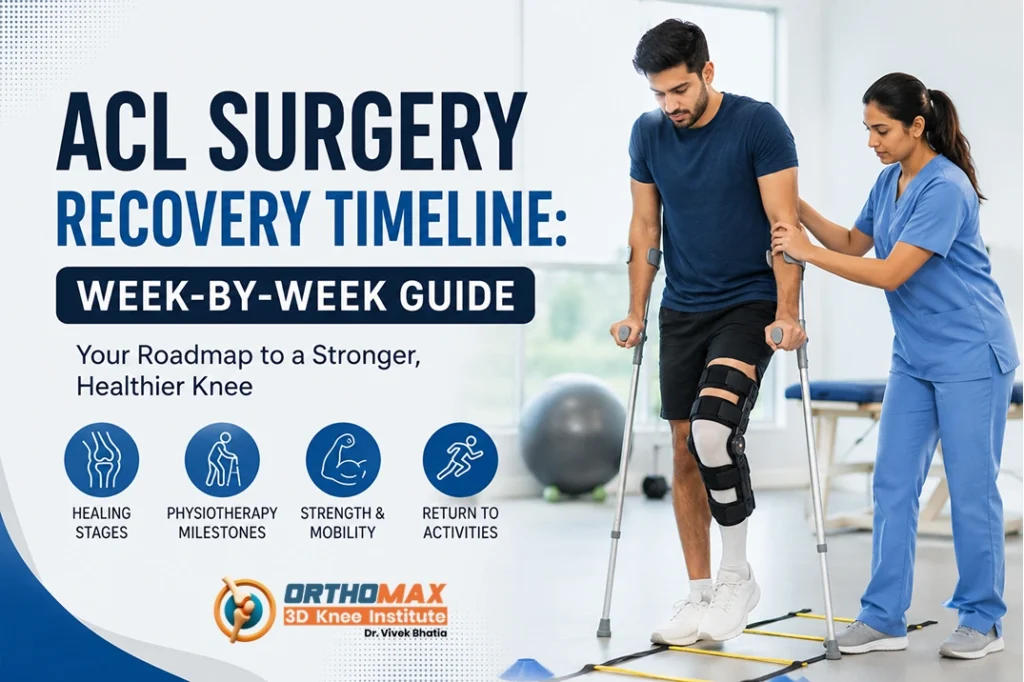
ACL Surgery Recovery Timeline: Week-by-Week Guide The acl surgery recovery week by week guide is essential for anyone undergoing knee surgery ACL reconstruction and wanting a structured, predictable healing journey. The acl surgery recovery timeline is not the same for every patient, but it generally follows a scientifically proven rehabilitation pattern based on tissue healing, physiotherapy progress, and knee stability recovery after knee surgery. In India, ACL injuries are increasingly common due to sports activities like cricket, football, gym training, and road accidents leading to knee surgery cases. According to orthopedic clinical reports, ACL reconstruction patients who follow a guided rehabilitation program after knee surgery recover 25–35% faster than those who do irregular or self-managed recovery. This detailed guide explains every stage of healing after knee surgery ACL reconstruction so patients, caregivers, and athletes can understand what to expect week by week. What Happens After ACL Surgery? ACL (Anterior Cruciate Ligament) reconstruction involves replacing the torn ligament with a graft from the hamstring tendon, patellar tendon, or quadriceps tendon. The biological healing process includes: Initial graft fixation (0–2 weeks) Early ligament integration (3–12 weeks) Remodeling phase (3–9 months) Full maturation (9–12 months) The complete acl surgery recovery timeline typically spans 9 to 12 months, but functional improvement begins much earlier. Week 1–2: Protection & Pain Control Phase This is the most critical stage of the acl surgery recovery week by week guide. Goals: Control pain and swelling Protect the surgical graft Prevent stiffness Begin gentle movement What Patients Experience: Moderate to high swelling in the knee Difficulty in walking without support Use of crutches and knee brace Limited knee bending (0–60° range) Physiotherapy: Quadriceps isometric contractions Ankle pump exercises Passive knee extension Ice therapy (3–5 times daily) Medical Insight: Studies show that early controlled motion reduces post-surgical stiffness by up to 40% compared to immobilization. Week 3–4: Early Mobility Phase This phase marks the beginning of functional recovery in the acl surgery recovery timeline. Goals: Improve knee range of motion Reduce swelling further Begin partial weight-bearing Progress: Knee bending improves up to 90° Crutch dependency reduces Walking becomes more stable Exercises: Heel slides Straight leg raises Mini squats with support Stationary cycling (low resistance) Recovery Insight: By the end of week 4, around 60–70% of patients regain partial independent walking ability, depending on rehab consistency. Week 5–8: Strength Building Phase This is one of the most important stages in the acl surgery recovery week by week guide, where strength rebuilding begins. Goals: Restore muscle strength Improve balance Achieve near full knee motion Progress: Knee flexion reaches 120–130° Swelling reduces significantly after activity Crutches are usually discontinued Physiotherapy: Resistance band exercises Step-ups and step-downs Balance board training Controlled squats Data Insight: Quadriceps strength can improve by 25–35% during this phase with structured physiotherapy. Week 9–12: Functional Recovery Phase At this stage, the acl surgery recovery timeline shifts toward functional independence. Goals: Normalize walking pattern Build endurance Improve coordination Activities: Brisk walking Light jogging (if approved) Functional training Exercises: Lunges Single-leg balance drills Core strengthening workouts Recovery Insight: Most patients regain 70–80% functional knee stability by 12 weeks, depending on graft type and rehab adherence. Month 4–6: Advanced Strength Phase This stage is crucial for athletes and active individuals following the acl surgery recovery week by week guide. Goals: Regain explosive strength Improve agility and speed Prepare for sports-specific movement Training Includes: Jogging progression to running Plyometric jumps Agility ladder drills Direction change training Medical Insight: Return-to-run programs generally begin at 16–20 weeks post-surgery under medical supervision. Month 6–9: Sports Preparation Phase This is a high-intensity phase in the acl surgery recovery timeline. Goals: Restore near-normal athletic ability Improve neuromuscular control Prevent reinjury Training: Sprint drills Sport-specific training Advanced plyometrics Reaction drills Recovery Insight: Only 65–75% of patients return safely to competitive sports within 9 months, highlighting the importance of controlled progression. Month 9–12: Full Recovery Phase This is the final stage of the acl surgery recovery week by week guide. Goals: Full strength restoration Psychological confidence in knee use Return to competitive sports Outcome: Stable knee function Full range of motion Reduced reinjury risk (if rehab followed properly) Important Note: Even after full recovery, neuromuscular training reduces reinjury risk by up to 50%. Factors Affecting ACL Recovery in India The acl surgery recovery timeline may vary due to: Quality of physiotherapy services Patient age and fitness level Graft type used in surgery Early rehabilitation compliance Access to orthopedic follow-ups In India, structured rehab programs improve recovery speed by 20–30% compared to self-managed recovery. Common Mistakes to Avoid Many patients slow down their recovery due to: Skipping physiotherapy sessions Returning to sports too early Ignoring swelling or discomfort Overtraining in early phases Not using knee support properly Avoiding these mistakes is essential for a successful outcome in the acl surgery recovery week by week guide. FAQs 1. How long is ACL surgery recovery? The full acl surgery recovery timeline usually takes 9–12 months for complete recovery. 2. When can I walk after ACL surgery? Most patients walk without crutches within 3–6 weeks depending on progress. 3. When can I return to sports? Light sports may resume after 6 months, while competitive sports require 9–12 months. 4. Is physiotherapy mandatory? Yes, physiotherapy is essential throughout the acl surgery recovery week by week guide to restore strength and stability. 5. Can ACL tear happen again? Yes, reinjury is possible, especially if rehabilitation is not followed properly within the first year. Conclusion The acl surgery recovery week by week guide provides a structured roadmap for safe and effective healing after ACL reconstruction. The acl surgery recovery timeline is a gradual process that moves from pain management to full functional recovery over several months. Recovery is not just about healing the ligament—it is about rebuilding strength, balance, mobility, and confidence. Patients who follow disciplined physiotherapy, avoid early overloading, and stick to medical guidance have significantly better outcomes and lower reinjury rates. In India, where sports participation is increasing rapidly, awareness of structured ACL rehabilitation is

When Is Revision Knee Surgery Necessary

When Is Revision Knee Surgery Necessary?

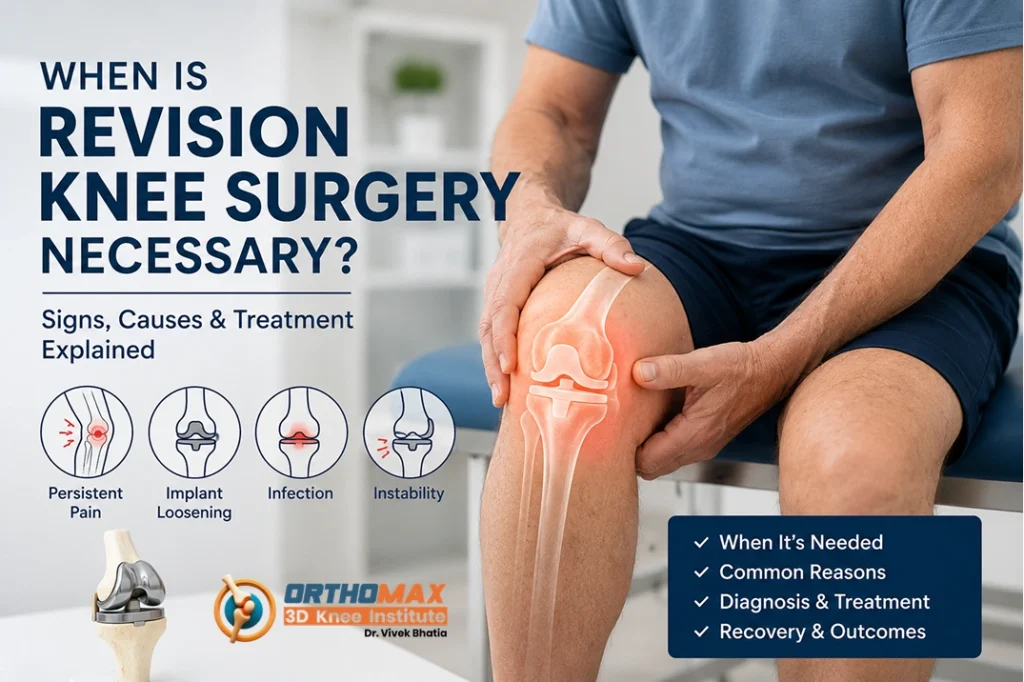
When Is Revision Knee Surgery Necessary? Knee replacement surgery has helped millions of people worldwide regain mobility and live with less pain. However, even successful knee replacements may not last forever. Some patients develop complications years later, while others experience problems sooner than expected. In such cases, revision knee surgery India may become necessary to repair or replace a failed knee implant. Understanding the early warning signs and reasons for revision knee surgery is important because delayed treatment can lead to worsening pain, instability, reduced mobility, and additional damage to surrounding bone or tissue. While many artificial knee implants function well for 15–20 years or more, factors such as infection, implant wear, trauma, or loosening can increase the risk of revision procedures. This guide explains when revision knee surgery becomes necessary, common symptoms, causes, risk factors, recovery expectations, and preventive measures. Quick Answer: When Is Revision Knee Surgery Necessary? Revision knee surgery India is usually recommended when a previous knee replacement stops functioning properly or causes significant pain and mobility issues. Common situations include: Persistent pain after knee replacement Implant loosening Infection around the artificial joint Implant wear over time Knee instability Fractures near the implant Stiffness limiting movement Implant misalignment Not all discomfort means surgery is required, but long-term symptoms should be evaluated by an orthopedic specialist. What Is Revision Knee Surgery? Revision knee surgery India refers to a procedure where surgeons remove and replace part or all of an existing artificial knee implant. Unlike initial knee replacement surgery, revision procedures are often more complex because surgeons may need to manage: Scar tissue Bone loss Damaged ligaments Infection Weak surrounding structures The main goals are: Reduce pain,Improve mobility,Restore joint function,Correct implant-related complications Because revision procedures are more challenging, early diagnosis remains important. How Common Is Revision Knee Surgery? Research indicates approximately 5–10% of knee replacement patients may eventually require revision procedures. The likelihood depends on factors such as: Age at first replacement Weight Activity levels Implant quality Existing medical conditions Patients receiving knee replacements at younger ages often face increased revision risks simply because implants experience longer wear. Signs You May Need Revision Knee Surgery India Recognizing symptoms early may improve treatment outcomes. 1. Persistent Pain After Knee Replacement Mild discomfort after surgery is normal during recovery. However, ongoing pain months or years later may indicate: Implant loosening Infection Alignment issues Wear and tear Pain while walking, climbing stairs, or standing for long periods deserves evaluation. Persistent pain remains one of the most frequent reasons for revision knee surgery. 2. Swelling That Does Not Improve Temporary swelling is expected after surgery. Long-term swelling may suggest: Infection Inflammation Implant failure Mechanical complications Swelling combined with fever or redness requires urgent medical attention. 3. Knee Instability or Giving Way Patients sometimes describe: Wobbling sensation Weakness while standing Fear of falling Instability may develop because of: Ligament damage Implant loosening Alignment problems Severe instability significantly affects daily activities. 4. Reduced Range of Motion Difficulty bending or straightening the knee may indicate problems. Warning signs include: Stiffness Reduced flexibility Trouble sitting or climbing stairs Mobility limitations can affect quality of life and may indicate need for revision knee surgery India. 5. Clicking or Grinding Sounds Artificial joints should function smoothly. Persistent mechanical sensations such as: Clicking Grinding Popping may signal implant wear or loosening. 6. Pain Returning Years After Knee Replacement Some patients experience symptom-free years before discomfort returns. New pain years later should never be ignored. Major Reasons for Revision Knee Surgery Understanding the reasons for revision knee surgery helps patients recognize risks. Implant Loosening Implant loosening remains among the leading causes. Over time: Bone may separate from implant Components become unstable Pain increases Symptoms often develop gradually. Infection Around the Artificial Joint Infection is one of the most serious reasons for revision knee surgery. Symptoms include: Fever Swelling Redness Persistent pain Drainage around incision area Studies estimate infection affects roughly 1–2% of knee replacement patients. Deep infections often require revision surgery. Wear and Tear of Implant Components Artificial joints experience repeated stress. Risk factors include: Obesity Younger age High-impact activities Heavy physical work Implants may eventually wear out. Fractures Around the Implant Falls or accidents can damage surrounding bone. These fractures often require surgical correction. Implant Misalignment Improper implant positioning may cause: Uneven pressure Pain Instability Revision procedures may correct alignment problems. Allergic Reaction to Implant Materials Rarely, patients experience sensitivity to metal components. Symptoms may include: Swelling Pain Inflammation Who Has Higher Risk of Needing Revision Knee Surgery India? Certain patients face increased risk. Younger Patients People undergoing replacement before age 60 may outlive implants. Obesity Higher body weight increases joint stress. Diabetes Diabetes may increase infection risk. Smoking Smoking affects healing and recovery. High Physical Activity Athletes or physically demanding jobs may accelerate implant wear. How Doctors Diagnose Implant Problems Determining whether revision knee surgery India is necessary usually involves several tests. X-rays Used to identify: Loosening Misalignment Bone damage Blood Tests May help detect infection. MRI or CT Scan Provides detailed images of surrounding tissues. Joint Fluid Analysis Testing fluid around the joint may reveal infection. Accurate diagnosis helps avoid unnecessary procedures. What Happens During Revision Knee Surgery? The procedure generally includes: Removing damaged implants Cleaning infected tissue if present Repairing damaged bone Implanting new prosthetic components Revision surgery often takes longer than initial replacement procedures. Average surgery duration: 2–4+ hours depending on complexity. Is Revision Knee Surgery More Difficult Than Primary Knee Replacement? Yes. Revision procedures are generally more complex because surgeons may address: Bone loss Scar tissue Weak ligaments Previous surgical changes Recovery may also take longer. Recovery After Revision Knee Surgery India Recovery varies significantly between patients. Hospital Stay Most patients remain hospitalized for: 3–7 days Walking Support Patients may use: Walkers Crutches Support devices during early recovery. Physical Therapy Rehabilitation is essential. Therapy helps improve: Strength Mobility Flexibility Full Recovery Timeline Recovery commonly takes: 6 months to 1 year Some patients improve sooner while others require extended rehabilitation. Best Diet Plan After Knee

Best Pain Relief Options After Knee Surgery

Best Pain Relief Options After Knee Surgery

Best Pain Relief Options After Knee Surgery Recovering from knee surgery is one of the most critical phases of orthopedic treatment, and proper pain relief after knee surgery plays a key role in ensuring smooth healing, mobility restoration, and long-term joint function. In India, more than 1.5 lakh knee replacement surgeries are performed every year, and a majority of patients report moderate to severe discomfort in the initial recovery phase. That is why structured and medically guided pain relief after knee surgery is essential for better outcomes. The first few weeks after surgery are usually marked by swelling, stiffness, and reduced movement. Without proper management, this discomfort can delay rehabilitation. Therefore, a combination of medication, physiotherapy, and lifestyle modifications is used for effective pain relief after knee surgery. In this detailed guide, we will explore the best medical and natural approaches, along with knee surgery recovery tips India that are widely recommended by orthopedic specialists. Understanding Pain After Knee Surgery Pain after knee surgery is a normal part of the healing process. When tissues are cut and reconstructed, the body activates inflammation to repair itself. This leads to swelling, tightness, and discomfort around the knee joint. Proper pain relief after knee surgery helps control inflammation and improves mobility. In India, studies show that: 70% of patients experience moderate pain in the first 7–10 days 40% report stiffness for up to 6 weeks Most patients regain normal walking ability within 8–12 weeks This makes structured pain relief after knee surgery extremely important for early rehabilitation success. Doctors typically combine multiple therapies instead of relying on a single solution to ensure effective pain relief after knee surgery. Medical Treatment for Pain Relief After Knee Surgery Medical care is the foundation of pain relief after knee surgery. Orthopedic doctors in India prescribe a carefully monitored combination of medications depending on the patient’s condition. Common medicines include: Paracetamol for mild pain control NSAIDs (anti-inflammatory drugs) to reduce swelling Short-term opioids for severe pain (if required) Muscle relaxants in some cases These medicines are usually prescribed for 1–3 weeks depending on recovery speed. Controlled use ensures safe and effective pain relief after knee surgery without long-term dependency. In advanced hospitals in India, multimodal pain management is used, which combines different drug types to enhance pain relief after knee surgery while minimizing side effects. Physiotherapy for Pain Relief After Knee Surgery Physiotherapy is one of the most important components of long-term pain relief after knee surgery. It helps restore joint movement, reduce stiffness, and strengthen muscles around the knee. In India, physiotherapy usually begins within 24–48 hours after surgery under supervision. Early movement plays a major role in improving blood circulation and ensuring faster pain relief after knee surgery. Key physiotherapy exercises include: Ankle pumps to improve circulation Quadriceps strengthening exercises Knee bending and extension exercises Assisted walking with support Balance training exercises Regular physiotherapy sessions significantly reduce recovery time and enhance pain relief after knee surgery, especially in elderly patients. Skipping physiotherapy often leads to stiffness and delayed healing, reducing the effectiveness of pain relief after knee surgery. Home-Based Care for Pain Relief After Knee Surgery Home care is equally important for effective pain relief after knee surgery. Simple practices can significantly reduce discomfort and swelling. Effective home care methods: Applying ice packs for 15–20 minutes every 3–4 hours Elevating the leg above heart level Using soft cushions for knee support Avoiding prolonged standing or sitting Maintaining a protein-rich diet In Indian households, turmeric milk and herbal anti-inflammatory diets are often used as supportive care for pain relief after knee surgery, although they should complement medical treatment rather than replace it. Hydration and nutrition also play a key role in ensuring faster pain relief after knee surgery and tissue recovery. Knee Surgery Recovery Tips India Following proper knee surgery recovery tips India is essential for improving outcomes and reducing complications. Indian patients often benefit from structured recovery plans designed by orthopedic specialists. Important recovery tips: Do physiotherapy regularly without skipping sessions Avoid sitting cross-legged or squatting Maintain healthy body weight to reduce knee pressure Use walking aids until advised otherwise Follow doctor’s medication schedule strictly These knee surgery recovery tips India help maintain steady progress and improve pain relief after knee surgery outcomes. Climate conditions in India, such as heat and humidity, may also affect swelling, making these knee surgery recovery tips India even more important for consistent healing. Signs of Infection After Knee Surgery Monitoring for complications is crucial during recovery. Infection is rare but serious and can delay healing if not addressed early. Recognizing early symptoms ensures timely treatment and effective pain relief after knee surgery. Common signs of infection include: Increased redness or warmth around the surgical site Persistent or worsening pain instead of gradual improvement Fever or chills Unusual discharge or fluid from the wound Swelling that does not reduce over time If any of these symptoms appear, immediate medical consultation is required. Early detection ensures better pain relief after knee surgery and prevents long-term complications. What to Avoid During Recovery Certain habits can slow down healing and reduce the effectiveness of pain relief after knee surgery. Avoid: Sudden twisting or jerking movements Heavy lifting or high-impact activity Missing physiotherapy sessions Overusing the knee too early Ignoring swelling or pain signals Avoiding these mistakes ensures better mobility and faster pain relief after knee surgery. Recovery Timeline Overview (India-Based Data) Week 1–2: High pain and swelling, controlled with medication Week 3–6: Gradual improvement in movement and stiffness reduction Week 6–12: Increased mobility with physiotherapy support After 3 months: Most patients regain near-normal activity Following this timeline ensures structured and predictable pain relief after knee surgery. FAQs 1. How long does pain last after knee surgery? Pain usually lasts 2–6 weeks, with gradual improvement through medication and physiotherapy for pain relief after knee surgery. 2. What is the fastest way to reduce knee pain after surgery? A combination of medication, physiotherapy, and ice therapy provides the fastest pain relief after knee surgery.

How Long Does Swelling Last After Knee Surgery?

How Long Does Swelling Last After Knee Surgery?

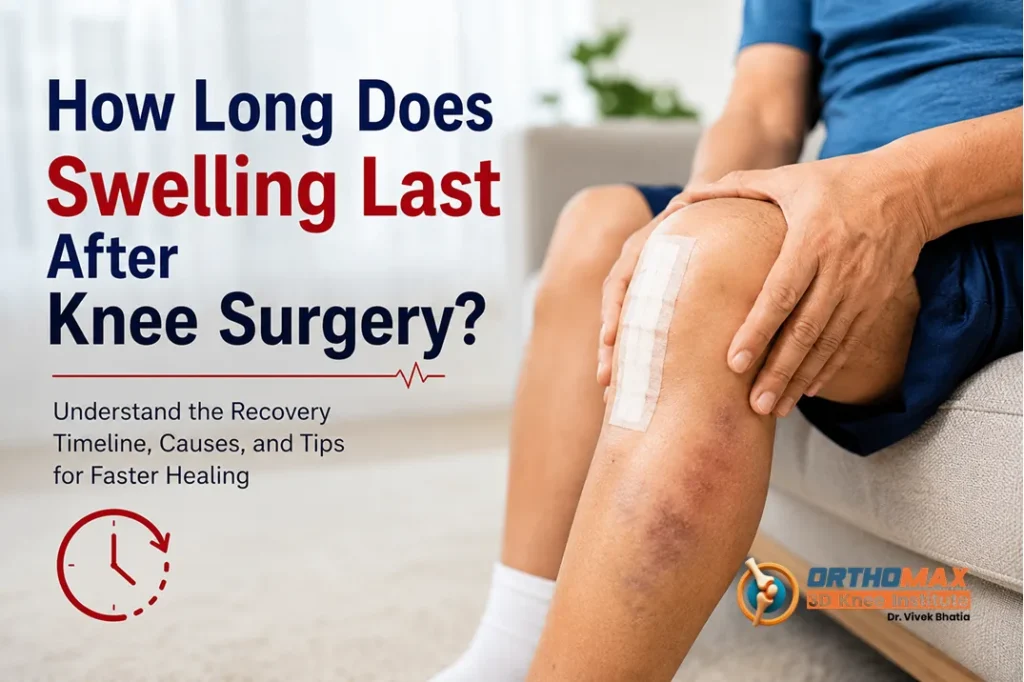
How Long Does Swelling Last After Knee Surgery? Swelling after knee surgery is one of the most common concerns patients experience during healing. Understanding the knee surgery swelling recovery time helps set realistic expectations and reduces anxiety throughout recovery. Depending on the type of procedure, swelling may last anywhere from 2 weeks to several months, while mild residual swelling can continue for up to a year after major surgeries. Whether you have undergone arthroscopy, ligament repair, or total knee replacement, knowing what is normal and what requires medical attention is essential. Recovery timelines vary, but following proper rehabilitation significantly improves healing outcomes. Patients seeking a broader understanding of recovery stages can also review a detailed knee surgery recovery timeline from hospital to home to understand long-term rehabilitation expectations. This guide explains normal swelling, recovery timelines, warning signs, and ways to reduce swelling effectively.   Quick Answer: What Is the Normal Knee Surgery Swelling Recovery Time? The knee surgery swelling recovery time depends largely on the procedure performed: Surgery Type Expected Swelling Duration Knee arthroscopy 1–3 weeks ACL reconstruction 2–6 weeks Meniscus surgery 2–8 weeks Partial knee replacement 1–3 months Total knee replacement 3–6 months Revision knee surgery Up to 12 months Research and orthopedic recovery observations suggest up to 90% of patients experience noticeable swelling in the first few weeks after knee replacement surgery. For most patients, swelling gradually improves with movement, physiotherapy, and proper post-operative care. Why Does Swelling Happen After Knee Surgery? Swelling is a natural part of healing. Following surgery, the body activates inflammation to repair damaged tissues. Increased blood flow brings oxygen and nutrients to the affected area but can also cause: Fluid buildup Temporary warmth Stiffness Reduced mobility Mild pain or discomfort Swelling may increase after: Long periods of standing Walking too much Skipping rehabilitation exercises Returning to work early Sleeping without elevation These factors often influence overall knee surgery swelling recovery time. Knee Surgery Swelling Recovery Time by Healing Stage Recovery does not happen all at once. Healing typically progresses in phases. Week 1–2: Initial Healing Phase During the first two weeks, swelling is usually most noticeable. Common symptoms: Moderate to severe swelling Bruising Pain around the knee Difficulty bending the joint Doctors commonly recommend the RICE method: R – RestI – IceC – CompressionE – Elevation Swelling during this phase is generally expected and does not usually indicate complications. Week 3–6: Early Recovery Phase As tissues heal, inflammation slowly decreases. Patients may notice: Reduced swelling Improved movement Easier walking Lower pain levels However, increasing activity too quickly may temporarily worsen swelling. This period plays a major role in determining long-term knee surgery swelling recovery time. Month 2–3: Functional Recovery Many patients resume daily routines during this phase. Some symptoms may remain: Mild stiffness Swelling after walking Tightness around the joint People experiencing swelling after knee replacement surgery commonly continue physiotherapy at this stage. Month 3–12: Long-Term Recovery Major procedures such as total knee replacement often require extended healing. Residual swelling may still occur after: Exercise Climbing stairs Travel Prolonged standing Mild swelling months later is not always abnormal. How Long Does Swelling After Knee Replacement Surgery Last? One of the most common patient questions involves swelling after knee replacement surgery. Typical recovery expectations: Severe swelling: First 2–6 weeks Moderate swelling: Up to 3 months Mild intermittent swelling: 6–12 months The knee joint undergoes significant trauma during replacement surgery, meaning tissues require extended time to heal completely. Therefore, occasional swelling months later does not automatically suggest complications. Factors That Affect Knee Surgery Swelling Recovery Time Not everyone heals at the same speed. Several factors influence knee surgery swelling recovery time: 1. Type of Procedure More invasive surgeries generally cause longer swelling. Example: Total knee replacement usually results in longer recovery than arthroscopy. 2. Age Healing slows naturally with age because tissue regeneration becomes less efficient. 3. Body Weight Higher body weight places greater pressure on recovering joints and may prolong swelling. 4. Physical Therapy Participation Patients who consistently attend physiotherapy often experience: Better circulation Improved mobility Faster reduction in swelling 5. Existing Health Conditions Recovery may slow in individuals with: Diabetes Arthritis Poor circulation Autoimmune conditions Signs Your Swelling Is Normal Post-operative swelling is often considered normal when it: ✓ Gradually improves over time✓ Decreases after elevation✓ Worsens temporarily after activity✓ Appears with mild warmth but no severe redness These symptoms generally indicate normal healing. When Swelling May Signal a Problem Seek immediate medical attention if swelling occurs alongside: Fever Severe redness Increasing pain Calf tenderness Shortness of breath Sudden worsening swelling These symptoms may indicate: Infection Blood clot Deep vein thrombosis Surgical complications Early treatment reduces risk significantly. How to Reduce Knee Surgery Swelling Faster Patients frequently ask how to improve knee surgery swelling recovery time. The following strategies may help: Elevate the Leg Properly Keeping the knee above heart level helps reduce fluid accumulation. Use Ice Therapy Cold therapy can: Reduce inflammation Control swelling Ease discomfort Apply ice for approximately 15–20 minutes at a time. Wear Compression Support Compression garments may improve circulation and reduce fluid retention. Follow Physiotherapy Instructions Rehabilitation exercises improve: Strength Flexibility Joint function Swelling reduction Skipping physiotherapy often delays recovery. Stay Hydrated Adequate hydration supports circulation and tissue repair. Focus on Nutrition Recovery-supportive nutrients include: Protein Vitamin C Zinc Omega-3 fatty acids Proper nutrition contributes to faster healing. Is Swelling After Knee Replacement Surgery Always Normal? Not always. Swelling after knee replacement surgery is generally expected during healing, but persistent worsening symptoms require medical evaluation. Normal swelling: Improves gradually Responds to icing Decreases with rest Abnormal swelling: Rapid increase Severe pain Fever Redness spreading around incision Monitoring changes over time is important. Frequently Asked Questions  How long does swelling usually last after knee surgery? The knee surgery swelling recovery time ranges from several weeks to several months depending on surgery type and individual healing speed. Is swelling after knee replacement surgery normal? Yes. Mild to moderate swelling after knee replacement surgery is common and may continue for

Scroll to Top