orthomax hospital

Author name: admin

Knee Replacement

What Happens Before and After Knee Replacement Surgery: Complete Patient Guide

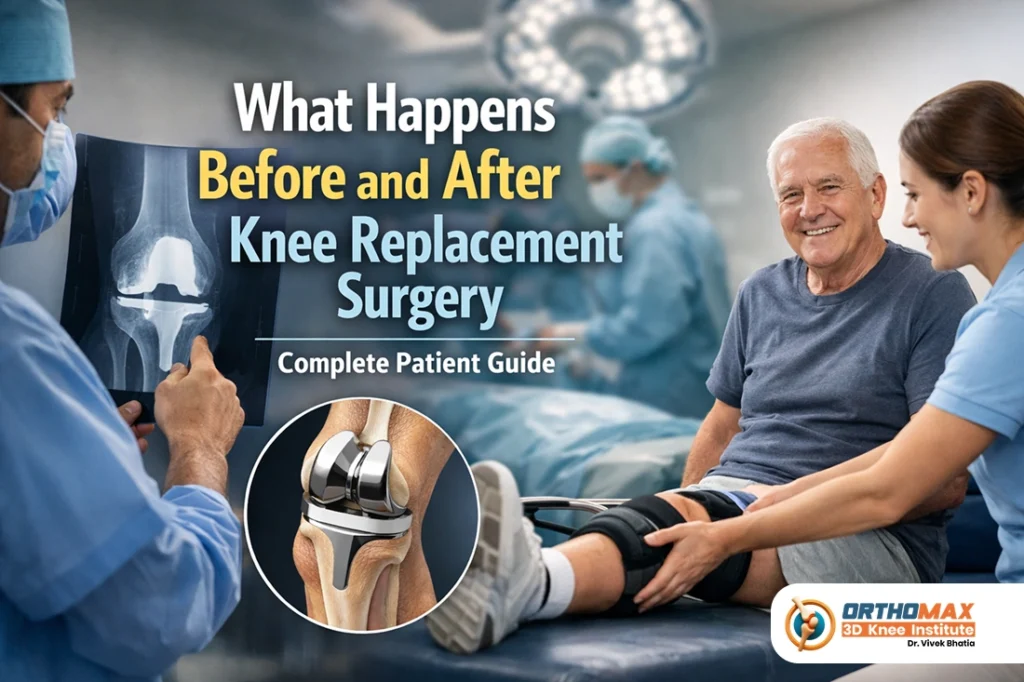
What Happens Before and After Knee Replacement Surgery: Complete Patient Guide If you are considering knee replacement surgery, you probably have many questions — What tests are done before surgery? How painful is recovery? How long does it take to walk normally again? This comprehensive guide explains in detail what happens before and after knee replacement surgery, including preparation steps, surgical procedure, hospital stay, recovery timeline, risks, and rehabilitation outcomes. The goal is to provide medically accurate, data-backed, and easy-to-understand information so patients can make confident healthcare decisions. Understanding Knee Replacement Surgery Knee replacement surgery, also known as knee arthroplasty, is a surgical procedure in which damaged cartilage and bone from the knee joint are removed and replaced with artificial implants made of metal alloys and high-grade plastic components. It is commonly recommended for: Severe osteoarthritis Rheumatoid arthritis Post-traumatic arthritis Chronic knee pain not responding to medication or physiotherapy More than 790,000 knee replacement surgeries are performed annually in the United States, with success rates exceeding 90–95% at 10 to 15 years. These numbers highlight the effectiveness and reliability of modern knee replacement surgery techniques. What Happens Before Knee Replacement Surgery Preparing properly for knee replacement surgery improves surgical outcomes and speeds up recovery. Below are the key steps involved before the procedure. 1. Comprehensive Medical Evaluation Before knee replacement surgery, patients undergo detailed testing that may include: X-rays to assess joint damage MRI scans (if required) Blood tests ECG for heart evaluation Chest X-ray when indicated Doctors also evaluate: Blood sugar levels (especially in diabetic patients) Blood pressure stability Body Mass Index (BMI) Any active infections Proper medical optimization before knee replacement surgery can reduce complications by up to 30%. 2. Prehabilitation (Pre-Surgery Exercise Program) Many orthopedic specialists recommend strengthening exercises before knee replacement surgery. This is called prehabilitation. It focuses on: Quadriceps strengthening Hamstring conditioning Improving knee flexibility Learning how to use walkers or crutches Studies show patients who complete 4–6 weeks of pre-surgery physiotherapy recover nearly 25% faster than those who do not. 3. Medication Management Before knee replacement surgery: Blood thinners are typically stopped 5–7 days before surgery Anti-inflammatory medications may be paused Certain supplements are discontinued This reduces bleeding risk and surgical complications. 4. Home Preparation Before Surgery Preparing your home environment before knee replacement surgery ensures a safer recovery. Recommendations include: Installing grab bars in bathrooms Using a raised toilet seat Removing loose rugs Arranging frequently used items within easy reach Research suggests that proper home setup reduces fall risk by nearly 40% during the first month after surgery. What Happens During Knee Replacement Surgery The knee replacement surgery procedure typically lasts between 1 to 2 hours. Step-by-Step Overview: Anesthesia (general or spinal) is administered. A surgical incision is made in front of the knee. Damaged cartilage and bone are carefully removed. Metal components are attached to the femur and tibia. A plastic spacer is inserted to allow smooth joint movement. The incision is closed with sutures or staples. Average blood loss during knee replacement surgery ranges between 300 to 500 ml. Modern minimally invasive techniques reduce tissue trauma and promote faster healing. What Happens Immediately After Knee Replacement Surgery After knee replacement surgery, patients are moved to a recovery room for close monitoring. 1. Recovery Room Monitoring Doctors monitor: Blood pressure Heart rate Oxygen levels Pain levels Blood clot prevention measures begin immediately. Ice therapy is applied to reduce swelling. Most patients begin gentle knee movement within 24 hours. 2. Hospital Stay Hospital stay after knee replacement surgery typically lasts: 1–3 days for most patients Same-day discharge in select cases Longer stays for elderly or high-risk individuals Early movement significantly reduces blood clot risk. Knee Replacement Surgery Recovery Timeline Understanding recovery helps patients set realistic expectations. Week 1–2 Use walker or crutches Begin structured physiotherapy Manage swelling and discomfort Perform ankle pump exercises Pain levels generally decrease by about 40% during the first two weeks. Week 3–6 Transition from walker to cane Improve knee bending (goal: 90–110 degrees) Resume light daily activities Many patients resume driving between 4–6 weeks, depending on progress. Three Months After Knee Replacement Surgery Significant pain relief 70–80% muscle strength recovery Return to low-impact activities like swimming or cycling Six to Twelve Months Full recovery achieved Muscle strength restored Scar healing completed Over 90% of patients report improved quality of life after knee replacement surgery. Pain Management After Knee Replacement Surgery Pain typically peaks within 48–72 hours after surgery and gradually improves. Pain control methods include: Oral medications Nerve blocks Ice therapy Regular physiotherapy Patients who follow rehabilitation programs strictly experience shorter recovery times and better mobility outcomes. Risks and Complications After Knee Replacement Surgery Although knee replacement surgery is considered safe, potential risks include: Blood clots (1–2%) Infection (less than 1%) Implant loosening over time Joint stiffness Maintaining a healthy weight and attending regular follow-up appointments significantly reduces long-term risks. Long-Term Success of Knee Replacement Surgery Modern knee implants typically last: 15–20 years in 85–90% of patients Longer in patients who maintain an active but low-impact lifestyle Advances such as robotic-assisted techniques have improved implant alignment accuracy by nearly 20%, enhancing durability and function. Lifestyle After Knee Replacement Surgery Most patients can: Walk comfortably Travel Climb stairs Perform daily activities without chronic pain However, doctors advise avoiding: High-impact sports Jumping activities Heavy weightlifting Low-impact exercises improve implant longevity and joint flexibility. When to Contact Your Doctor Seek immediate medical attention if you experience: Severe swelling Fever above 101°F Sudden calf pain Persistent wound discharge Early medical intervention prevents serious complications. Frequently Asked Questions (FAQs) 1. How painful is knee replacement surgery recovery? Pain is moderate initially but improves significantly within 2–3 weeks with medication and therapy. 2. How long does knee replacement surgery take? The procedure usually lasts 1–2 hours. 3. When can I walk normally after knee replacement surgery? Most patients walk independently within 4–6 weeks. 4. How long do knee implants last? Most implants last 15–20 years. 5. Is knee replacement surgery safe for elderly


Knee Replacement for Arthritis: Who Needs It and Why?

Knee Replacement for Arthritis: Who Needs It and Why? If you are struggling with chronic knee pain, stiffness, or difficulty walking, you may have been advised to consider knee replacement for arthritis. But how do you know when surgery is truly necessary? Arthritis is the leading cause of disability worldwide. According to the World Health Organization (WHO), over 528 million people globally live with osteoarthritis, and knee osteoarthritis accounts for nearly 85% of that burden. In India alone, studies show that 1 in 4 adults above 50 years experiences knee arthritis symptoms. While early arthritis can often be managed with medication and physiotherapy, advanced cases may require arthritis knee replacement surgery to restore mobility and relieve pain. What Is Knee Replacement for Arthritis? Knee replacement for arthritis is a surgical procedure in which damaged cartilage and bone inside the knee joint are removed and replaced with artificial implants (prosthetics). The most common reason for surgery is advanced osteoarthritis, where the protective cartilage between bones wears away, causing: Bone-on-bone friction• Severe pain• Swelling• Joint deformity• Reduced mobility This procedure is also called total knee arthroplasty and is considered one of the most successful orthopedic surgeries worldwide, with a 90–95% patient satisfaction rate. Types of Arthritis That May Require Knee Surgery Not all arthritis cases require surgery. However, the following types often lead to knee surgery for arthritis patients: 1. Osteoarthritis Osteoarthritis is the most common reason patients require knee replacement for arthritis. It is a degenerative condition where the protective cartilage in the knee gradually wears down over time. This leads to friction between bones, causing pain, stiffness, and swelling. It usually develops slowly and worsens with age, especially after 50. In advanced stages, osteoarthritis becomes the primary reason for arthritis knee replacement surgery, particularly when medications and physiotherapy no longer help. Key features include: Age-related cartilage degeneration• Gradual worsening knee pain• Morning stiffness• Swelling after activity• Reduced mobility• Bone-on-bone changes on X-ray When symptoms severely impact daily life, knee replacement for arthritis is often recommended as a long-term solution. 2. Rheumatoid Arthritis Rheumatoid arthritis (RA) is a chronic autoimmune disease in which the body’s immune system mistakenly attacks the lining of the joints (synovium). Unlike osteoarthritis, which develops due to wear and tear, rheumatoid arthritis can affect people at a younger age and often involves both knees simultaneously. Over time, persistent inflammation damages cartilage, weakens ligaments, and erodes bone — leading to joint deformity and severe functional limitation. Key features of rheumatoid arthritis include: Chronic inflammation of the knee joint• Swelling, warmth, and stiffness (especially in the morning lasting more than 30 minutes)• Progressive cartilage and bone damage• Symmetrical joint involvement (both knees often affected)• Fatigue and general weakness due to systemic inflammation Most patients respond to medications such as DMARDs and biologics. However, if inflammation remains uncontrolled and joint destruction becomes severe, knee replacement for arthritis may be recommended. In advanced cases, arthritis knee replacement surgery helps restore stability, relieve pain, and significantly improve mobility for rheumatoid arthritis patients. 3. Post-Traumatic Arthritis Post-traumatic arthritis develops after a significant knee injury such as a fracture, ligament tear (like ACL injury), or meniscus damage. Even if the injury was treated properly, it can alter joint alignment and accelerate cartilage wear over time. This condition may take months or even years to appear after the original trauma, but once it progresses, it can lead to chronic pain and stiffness. In many advanced cases, patients eventually require knee replacement for arthritis when conservative treatments no longer provide relief. It is especially common among: Athletes involved in high-impact sports like football, basketball, or running• Accident victims who suffered knee fractures or ligament damage• Individuals with repeated knee stress or untreated injuries• Patients with joint instability after trauma If cartilage damage becomes severe and causes bone-on-bone friction, arthritis knee replacement surgery may be recommended as a long-term solution to restore mobility and reduce pain. If your arthritis has progressed to advanced stages and significantly affects daily life, doctors may recommend advanced knee arthritis treatment in India, including surgical intervention. When Do You Need Knee Replacement for Arthritis? 1. Severe Pain Persists Despite Treatment One of the strongest signs that you may need knee replacement for arthritis is ongoing, severe pain that does not improve with conservative treatment. In early stages, knee arthritis pain can often be controlled with lifestyle changes and medications. However, when the cartilage damage becomes advanced, these treatments stop providing lasting relief. If your knee pain interferes with daily activities, sleep, or work despite proper medical care, it may indicate that non-surgical options are no longer effective. Pain that continues even after the following treatments is a red flag: Physiotherapy – Regular strengthening and mobility exercises fail to reduce stiffness or improve walking ability.• Weight management – Even after losing weight to reduce joint pressure, pain remains severe.• Painkillers (NSAIDs) – Medications provide only temporary or minimal relief.• Steroid injections – Relief lasts only a few weeks or does not work at all.• Hyaluronic acid injections – Joint lubrication therapy does not improve comfort or mobility. If these measures no longer control symptoms, doctors may recommend arthritis knee replacement surgery as the next step to restore function and provide long-term pain relief. 2. Limited Mobility One of the clearest signs that you may need knee replacement for arthritis is restricted movement that affects your everyday life. Knee arthritis gradually reduces joint flexibility, making simple activities painful and exhausting. When mobility limitations begin interfering with independence, work, or daily routines, doctors may consider arthritis knee replacement surgery as a long-term solution. Common mobility-related symptoms include: Difficulty walking more than 100–200 meters without stopping due to pain• Trouble climbing or descending stairs without support• Inability to stand for long periods, especially during household tasks or office work• Stiffness after sitting for 15–20 minutes• Avoiding social activities because walking becomes uncomfortable If these limitations persist despite physiotherapy, medications, and lifestyle changes, it may indicate advanced joint damage. In such cases, advanced knee arthritis treatment

How Knee Preservation Helps Delay or Avoid Knee Replacement

How Knee Preservation Helps Delay or Avoid Knee Replacement Knee Preservation is becoming a preferred approach for patients who want to delay or avoid knee replacement surgery. Instead of replacing the entire joint, Knee Preservation focuses on protecting, repairing, and restoring natural knee structures. This strategy is especially beneficial for younger patients (ages 30–60), athletes, and individuals with early-stage osteoarthritis. Globally, over 790,000 knee replacement surgeries are performed annually in the United States alone. Studies show that nearly 20–30% of patients under 60 may require revision surgery within 15–20 years. This is why Knee Preservation techniques are gaining attention—they help extend the life of your natural joint and reduce the need for artificial implants. If you’re experiencing knee pain but want to avoid major surgery, understanding Knee Preservation can help you make an informed and confident decision. What Is Knee Preservation? Knee Preservation refers to advanced medical and surgical techniques designed to treat knee pain and structural damage while keeping the original joint intact. Instead of replacing the knee, orthopedic specialists correct the root cause of pain—whether it’s cartilage damage, meniscus tears, malalignment, or ligament instability. Key Goals of Knee Preservation: Reduce pain Restore mobility Slow osteoarthritis progression Maintain natural biomechanics Delay or avoid knee replacement This approach works best in patients with: Early to moderate osteoarthritis Localized cartilage damage Meniscal injuries Bowed or knock-knee alignment Ligament injuries like ACL tears Why Avoid or Delay Knee Replacement? Total knee replacement is highly effective for severe arthritis. However, it is still a major surgical procedure with certain limitations: Implants typically last 15–20 years Recovery can take 3–6 months Infection risk ranges from 1–2% Possibility of revision surgery Reduced ability for high-impact activities For younger patients, delaying knee replacement is often recommended because revision surgeries are more complex and less predictable. Knee Preservation offers a joint-saving alternative before reaching that stage. How Knee Preservation Helps Delay or Avoid Knee Replacement 1. Correcting Joint Alignment with Osteotomy In patients with bowed legs (varus alignment), excess pressure falls on one side of the knee. This uneven load accelerates cartilage wear. High Tibial Osteotomy (HTO): Realigns the knee joint Redistributes weight to healthier cartilage Significantly reduces pain Delays knee replacement by 8–15 years in many cases Clinical studies report 70–90% success rates at 10 years in well-selected patients. By correcting alignment early, Knee Preservation reduces mechanical stress and slows joint degeneration. 2. Repairing Cartilage Instead of Replacing the Joint Cartilage damage is one of the leading causes of chronic knee pain. Knee Preservation procedures stimulate new cartilage growth instead of removing or replacing the entire joint. Microfracture Surgery Small holes are created in the bone Stimulates bone marrow cells to produce repair tissue Ideal for small cartilage defects Autologous Chondrocyte Implantation (ACI) Patient’s cartilage cells are harvested Cultured in a laboratory Re-implanted into the damaged area Research shows cartilage restoration procedures can significantly reduce pain and improve knee function for 5–10+ years, depending on the severity of damage. 3. Meniscus Preservation Instead of Removal The meniscus acts as a shock absorber in the knee. Removing it increases arthritis risk by up to 7 times. Modern Knee Preservation prioritizes: Meniscus repair instead of removal Meniscus transplantation in selected cases Preserving the meniscus protects joint cartilage and slows degenerative changes, helping avoid early knee replacement. 4. Ligament Reconstruction for Joint Stability Joint instability accelerates cartilage wear. ACL injuries can increase osteoarthritis risk by up to 4 times if untreated. Ligament reconstruction: Restores joint stability Protects cartilage Prevents early degeneration Supports long-term Knee Preservation By maintaining proper joint mechanics, Knee Preservation reduces abnormal stress on the knee. Non-Surgical Knee Preservation Options Knee Preservation is not always surgical. Early conservative treatment can significantly slow progression. 1. Physical Therapy Strengthens quadriceps and hamstrings Improves joint alignment Reduces pain by 30–40% in mild arthritis 2. Weight Management Every 1 kg of body weight adds nearly 4 kg of pressure on the knee joint. Even modest weight loss can reduce symptoms significantly. 3. Biologic Injections Platelet-Rich Plasma (PRP) Stem cell therapy Hyaluronic acid injections Many patients report symptom relief lasting 6–12 months, especially in early-stage arthritis. Who Is the Ideal Candidate for Knee Preservation? You may benefit from Knee Preservation if you: Are under 60 years old Have localized cartilage damage Have early-stage osteoarthritis Experience knee instability Want to remain physically active Patients with advanced bone-on-bone arthritis may require knee replacement instead. How Knee Preservation Supports Long-Term Joint Health Knee Preservation focuses on correcting biomechanics. By restoring cartilage, stabilizing ligaments, and optimizing alignment, it: Slows osteoarthritis progression Maintains natural movement patterns Reduces inflammation Preserves bone structure Avoids implant-related complications For many patients, this proactive approach can preserve joint function for years before knee replacement becomes necessary. Frequently Asked Questions (FAQs) 1. What is Knee Preservation? Knee Preservation is a set of treatments designed to repair and protect the natural knee joint to delay or avoid knee replacement surgery. 2. How long can Knee Preservation delay knee replacement? Depending on the procedure and patient condition, it can delay knee replacement by 8–15 years. 3. Is Knee Preservation better than knee replacement? For younger patients with early-stage damage, Knee Preservation may be preferable. Severe arthritis cases may require knee replacement. 4. Is Knee Preservation surgery painful? Most procedures are minimally invasive and typically involve shorter recovery times than total knee replacement. 5. Can athletes benefit from Knee Preservation? Yes. Many athletes return to sports after cartilage repair or ligament reconstruction procedures. Final Thoughts Knee Preservation is transforming orthopedic care by offering joint-saving solutions before considering knee replacement. Instead of immediately opting for artificial implants, patients now have advanced techniques that restore natural knee structures and function. Early diagnosis and intervention significantly improve success rates. If you’re experiencing persistent knee pain, consult an orthopedic specialist to explore Knee Preservation options and determine the best treatment pathway for your condition.

Knee Replacement Longevity: How Many Years Will It Last?

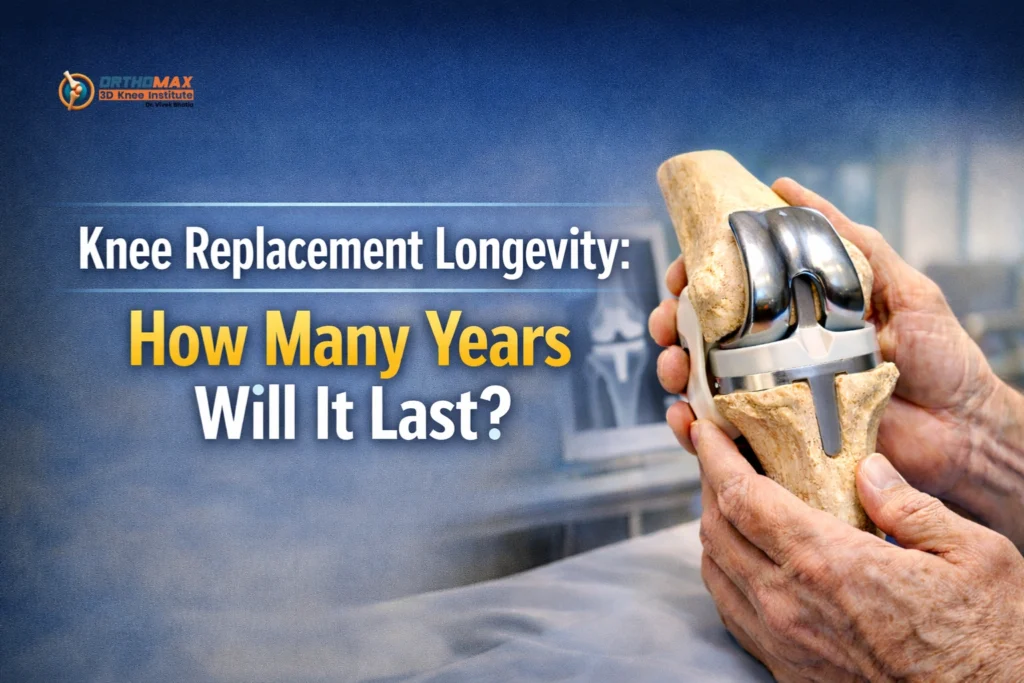
Knee Replacement Longevity: How Many Years Will It Last? If you’re considering knee surgery, one of the first questions you’ll ask is about knee replacement longevity. How long will the implant last? Will you need another surgery? What affects your knee replacement lifespan? These are valid concerns. A knee replacement is a major decision, and understanding knee replacement longevity helps you set realistic expectations, plan your future, and protect your investment in mobility. What Is Knee Replacement Longevity? Knee replacement longevity refers to the number of years an artificial knee joint continues to function properly without loosening, wearing out, or requiring revision surgery. In simple terms, it measures how durable and reliable your knee implant remains over time. When discussing knee replacement lifespan, it’s important to understand what makes up the artificial joint. A modern knee implant is carefully engineered using advanced biomaterials designed to reduce friction, improve stability, and extend durability. A typical knee replacement includes: Metal components made from cobalt-chromium or titanium alloys that form the femoral and tibial parts of the joint A plastic spacer crafted from highly cross-linked polyethylene, which acts as cartilage and allows smooth movement Cemented or cementless fixation that secures the implant firmly to the bone These materials are chosen for their strength, wear resistance, and compatibility with the human body. Thanks to material advancements, improved implant design, robotic-assisted alignment, and precision surgical techniques, knee replacement longevity has improved significantly over the past two decades. Compared to older implants that lasted 10–15 years, modern knee replacements now commonly function well for 15–25 years or longer in many patients. How Long Does a Knee Replacement Last? When patients ask about knee replacement longevity, they usually want a clear, evidence-based answer. The good news is that modern implants are highly durable and designed to function for decades under normal conditions. On average, the knee replacement lifespan today ranges between 15 to 25 years, depending on patient factors and surgical precision. With improvements in implant materials and alignment techniques, long-term survival rates have significantly improved compared to previous decades. Here’s what current data shows about knee replacement longevity: Average knee replacement lifespan: 15–25 years 90–95% of implants last at least 15 years 80–85% last 20 years or more These numbers indicate that most patients can expect long-term relief from pain and improved mobility for decades after surgery. What Does Research Say About Knee Replacement Longevity? High-quality registry data provides strong evidence regarding knee replacement longevity. A landmark 2019 study published in The Lancet analyzed outcomes from more than 60,000 patients who underwent total knee replacement. The results were reassuring: 93% of total knee replacements lasted 15 years 82% lasted 25 years This large-scale analysis significantly strengthens confidence in modern knee replacement lifespan expectations. However, it’s important to understand that knee replacement longevity is not identical for every patient. Longevity varies based on: Age at the time of surgery Body weight and BMI Activity level Implant type and materials Surgical alignment accuracy Presence of infection or complications In short, while research strongly supports long-term durability, individual results depend on multiple factors affecting knee replacement lifespan. Why Knee Replacement Longevity Has Improved Over Time Thirty years ago, the average knee replacement lifespan was around 10–15 years. Today, that number has increased due to: Better implant design Improved surgical techniques Robotic-assisted surgery Enhanced infection control More accurate alignment systems These advances directly impact knee replacement longevity by reducing wear and mechanical stress. Factors Affecting Knee Replacement Lifespan Understanding the factors affecting knee replacement lifespan is critical. Longevity isn’t just about the implant — it’s about the patient too. 1. Age at Surgery Younger patients (under 55) place more stress on implants Older patients tend to have longer-lasting implants A 45-year-old active patient may need revision surgery later, while a 70-year-old may never need another operation. 2. Body Weight Excess weight increases pressure on the joint. For every extra pound of body weight, your knee experiences 4 pounds of pressure while walking. Higher BMI is one of the strongest factors affecting knee replacement lifespan. 3. Activity Level High-impact activities such as: Running Jumping Competitive sports can reduce knee replacement longevity. Low-impact activities like walking, cycling, and swimming help preserve implant durability. 4. Implant Type & Material Different implants have different wear characteristics. Common materials include: Metal-on-polyethylene Ceramic-coated components Oxidized zirconium High-quality implants can significantly improve knee replacement lifespan. 5. Surgical Technique Alignment is everything. Even a 3-degree misalignment can increase wear rates dramatically. Robotic-assisted procedures improve precision, which directly improves knee replacement longevity. 6. Infection Risk Deep joint infection can lead to early implant failure. Although infection rates are low (1–2%), it remains a major factor affecting knee replacement lifespan. Signs Your Knee Replacement May Be Wearing Out Even with excellent knee replacement longevity, implants don’t last forever. Watch for: Increasing pain Swelling Instability Clicking or grinding Reduced mobility These symptoms may indicate loosening, wear, or implant failure. Can a Knee Replacement Last 30 Years? In some cases, yes. With: Proper weight management Moderate activity High-quality implant Skilled surgeon Some patients experience exceptional knee replacement lifespan exceeding 25–30 years. However, this is not guaranteed. How to Increase Knee Replacement Longevity If you want to maximize knee replacement longevity, follow these strategies: 1. Maintain a Healthy Weight Reducing weight reduces stress on the implant. Even losing 5–10 kg significantly improves knee replacement lifespan. 2. Choose Low-Impact Exercise Recommended activities: Walking Swimming Stationary cycling Yoga Avoid high-impact sports unless approved by your surgeon. 3. Follow Rehabilitation Properly Proper physiotherapy: Restores strength Improves alignment Reduces uneven wear Skipping rehab negatively affects knee replacement longevity. 4. Attend Regular Follow-Ups X-rays help detect early wear before symptoms appear. Early detection prevents major revision surgery. Partial vs Total Knee Replacement Longevity Type Average Lifespan Total Knee Replacement 15–25 years Partial Knee Replacement 10–20 years Partial replacements may wear out slightly sooner depending on remaining cartilage health. Cost vs Longevity: Is It Worth It? While cost varies globally: US: $30,000–$50,000 UK: NHS covers India: ₹2.5–5 lakh

Risks_and_Complications_of_Knee_Surgery_You_Should_Know

Risks and Complications of Knee Surgery You Should Know

Risks and Complications of Knee Surgery You Should Know Knee surgery is often recommended when chronic pain, injury, or joint damage begins to interfere with daily life. Procedures like arthroscopy, ligament repair, or knee replacement can significantly improve mobility and reduce discomfort. However, like any surgical intervention, knee surgery is not without risks. Understanding the possible complications beforehand helps patients make informed decisions, prepare mentally and physically, and recognize warning signs early during recovery. This blog explores the common, less common, and long-term risks of knee surgery, along with factors that increase complications and practical tips to reduce them. Understanding Knee Surgery Knee surgery can be performed for various reasons, including sports injuries, arthritis, fractures, or degenerative joint conditions. Common types of knee surgery include: Arthroscopic knee surgery (minimally invasive) Ligament reconstruction (ACL, PCL, MCL) Meniscus repair or removal Partial or total knee replacement Each procedure carries its own level of risk depending on complexity, patient health, and recovery adherence. Common Risks Associated with Knee Surgery 1. Infection Infection is one of the most concerning complications after knee surgery. It can occur at the incision site or deep within the joint. Signs of infection include: Redness, warmth, or swelling around the knee Fever or chills Persistent pain or drainage from the wound Mild infections may be treated with antibiotics, while severe cases may require additional surgery. 2. Blood Clots (Deep Vein Thrombosis) Blood clots can form in the leg veins after surgery due to reduced mobility. In serious cases, a clot can travel to the lungs, causing a pulmonary embolism. Warning symptoms: Swelling in the calf or thigh Pain or tenderness in the leg Sudden shortness of breath Doctors often prescribe blood thinners and recommend early movement to minimize this risk. 3. Pain and Swelling Some pain and swelling are normal after knee surgery, but excessive or prolonged discomfort may signal complications. Inflammation can delay healing Improper pain management may limit rehabilitation progress Following prescribed pain control and physiotherapy plans is crucial for recovery. 4. Limited Range of Motion Stiffness in the knee joint can occur if scar tissue forms or rehabilitation is delayed. Difficulty bending or straightening the knee Reduced flexibility affecting daily activities Early physiotherapy plays a key role in restoring normal movement. Surgical and Anesthesia-Related Complications 1. Reaction to Anesthesia Although rare, some patients may experience side effects from anesthesia, such as: Nausea and vomiting Allergic reactions Breathing or heart complications (in high-risk patients) Pre-surgical assessments help reduce anesthesia-related risks. 2. Nerve or Blood Vessel Damage During surgery, nearby nerves or blood vessels may be injured. Possible effects include: Numbness or tingling around the knee Weakness in the leg In rare cases, long-term nerve damage Most nerve-related symptoms improve over time, but some may persist. 3. Bleeding or Hematoma Excessive bleeding during or after surgery can lead to hematoma formation (a collection of blood under the skin). May cause pain and swelling Occasionally requires drainage or further treatment Risks Specific to Knee Replacement Surgery 1. Implant Loosening or Failure Artificial knee joints are designed to last many years, but they may loosen or wear out over time. Causes include: High-impact activities Excess body weight Poor bone quality Implant failure may require revision surgery, which is more complex than the initial procedure. 2. Joint Instability or Misalignment If the implant is not positioned correctly or surrounding muscles are weak, patients may feel the knee is unstable. Difficulty walking or climbing stairs Increased risk of falls Proper surgical technique and rehabilitation help prevent this issue. 3. Allergic Reaction to Implants Some patients may react to metals used in knee implants, such as nickel or cobalt. Symptoms may include: Persistent pain Swelling without infection Skin rashes around the joint Alternative implant materials may be used for sensitive individuals. Long-Term Complications After Knee Surgery 1. Chronic Pain While surgery aims to relieve pain, some patients experience long-term discomfort. Nerve sensitivity Scar tissue formation Incomplete healing Chronic pain may require pain management therapy or further evaluation. 2. Scar Tissue Formation (Arthrofibrosis) Excessive scar tissue can restrict joint movement. Leads to stiffness and pain May require manipulation under anesthesia or additional surgery Early mobilization reduces the risk of arthrofibrosis. 3. Delayed Healing Healing may take longer in certain individuals due to: Poor circulation Smoking Diabetes or autoimmune conditions Delayed healing increases the risk of infection and prolonged rehabilitation. Factors That Increase the Risk of Complications Some patients are more prone to knee surgery complications due to underlying factors: Age: Older adults may heal more slowly Obesity: Increases stress on the knee joint Smoking: Impairs blood flow and healing Chronic illnesses: Diabetes, heart disease, or immune disorders Previous knee surgeries: Increase scar tissue risk Discussing these factors with your surgeon allows for better planning and risk management. How to Reduce the Risks of Knee Surgery While not all risks can be eliminated, many complications are preventable with proper care. Follow Pre-Surgery Instructions Stop smoking if advised Manage blood sugar and blood pressure Inform your doctor about medications and allergies Choose an Experienced Surgeon Skilled surgical technique reduces complications Proper implant selection improves outcomes Commit to Rehabilitation Attend all physiotherapy sessions Perform exercises as prescribed Avoid overexertion during early recovery Monitor Warning Signs Report unusual pain, swelling, or fever immediately Do not ignore symptoms that feel “off” When to Contact Your Doctor After Knee Surgery Seek medical attention if you experience: Increasing pain or swelling Fever above 101°F (38.3°C) Redness or discharge from the incision Sudden chest pain or shortness of breath Early intervention can prevent minor issues from becoming serious complications. Is Knee Surgery Worth the Risk? For many patients, knee surgery significantly improves quality of life, mobility, and independence. However, it is essential to weigh the benefits against the risks. Understanding potential complications helps set realistic expectations and encourages active participation in recovery. Open communication with your orthopedic surgeon, following medical advice, and committing to rehabilitation are the most effective ways to achieve a successful outcome. Conclusion Knee surgery can be life-changing,

What_Is_AR_Knee_Replacement_and_How_Does_It_Work

What Is AR Knee Replacement and How Does It Work?

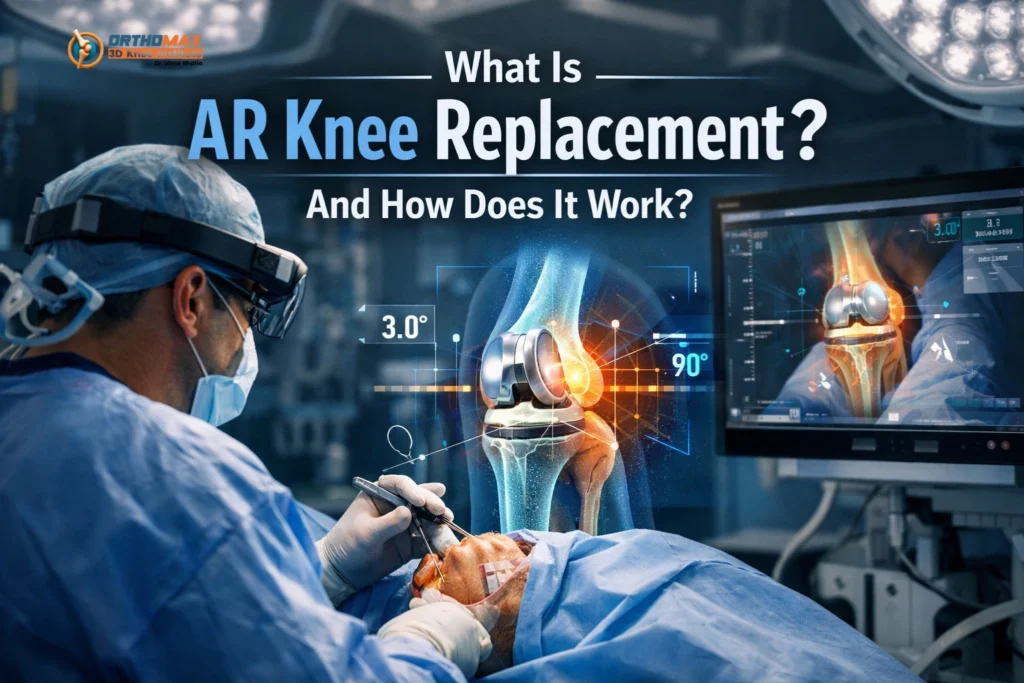
What Is AR Knee Replacement and How Does It Work? Knee replacement surgery has come a long way over the years. From traditional manual techniques to computer-assisted procedures, orthopedic surgery has continuously evolved to improve accuracy, recovery time, and patient outcomes. One of the most exciting innovations shaping the future of orthopedic care is AR knee replacement, also known as augmented reality–assisted knee replacement. This advanced surgical approach combines cutting-edge digital technology with real-time visualization to help surgeons perform knee replacement procedures with greater precision than ever before. But what exactly is AR knee replacement, and how does it work? Let’s explore this breakthrough in detail. Understanding AR Knee Replacement AR knee replacement uses augmented reality (AR) technology to assist surgeons during knee replacement surgery. Augmented reality overlays digital images, data, and guides onto the real-world surgical field, allowing the surgeon to “see” critical information without taking their eyes off the patient. Unlike traditional knee replacement methods, which rely heavily on manual measurements and physical alignment tools, AR systems provide real-time, 3D visual guidance. This helps surgeons position implants more accurately, preserve healthy tissue, and achieve better joint alignment. In simple terms, AR knee replacement enhances the surgeon’s vision and decision-making during surgery, leading to more predictable and personalized results for patients. How AR Technology Is Used in Knee Replacement Surgery Augmented reality in knee replacement works by combining several advanced technologies, including cameras, sensors, software algorithms, and wearable displays or screens. Here’s how it fits into the surgical process: Digital mapping of the knee joint Real-time tracking of surgical instruments On-screen visualization of alignment and implant placement Instant feedback to the surgeon Instead of frequently looking away at external monitors or relying solely on experience, surgeons can see precise guidance layered directly over the patient’s anatomy. Step-by-Step: How AR Knee Replacement Works 1. Preoperative Planning Before surgery, detailed imaging of the patient’s knee—such as CT scans or X-rays—is used to create a 3D digital model of the joint. This model allows surgeons to plan: Implant size and type Exact bone cuts Ideal alignment and positioning This personalized planning ensures the surgery is tailored to the patient’s unique anatomy rather than a one-size-fits-all approach. 2. AR System Setup in the Operating Room During surgery, AR equipment is set up in the operating room. This typically includes: Optical tracking cameras Sensors attached to surgical instruments A display system (monitor or wearable AR glasses) The system continuously tracks the knee’s position and the movement of instruments with extreme accuracy. 3. Real-Time Augmented Visualization As the surgeon operates, the AR system overlays digital information onto the live view of the knee. This may include: Bone alignment lines Cutting guides Implant positioning indicators Joint balance measurements The surgeon receives instant visual feedback, helping them make precise adjustments during every step. 4. Accurate Implant Placement One of the biggest challenges in knee replacement is ensuring proper alignment of the implant. Even small errors can affect mobility and implant lifespan. AR technology guides the surgeon to place the implant at the exact planned angle and depth, reducing variability and improving long-term outcomes. 5. Final Verification and Completion Before closing the surgical site, the AR system allows surgeons to verify: Knee alignment Range of motion Joint stability Any necessary corrections can be made immediately, ensuring optimal results before the procedure is completed. Benefits of AR Knee Replacement AR-assisted knee replacement offers several advantages over traditional methods. 1. Improved Surgical Accuracy AR systems provide millimeter-level precision, reducing the risk of misalignment and uneven implant placement. 2. Personalized Treatment Every knee is different. AR allows for customized surgical planning based on the patient’s anatomy, improving comfort and function after surgery. 3. Better Joint Alignment Proper alignment leads to smoother movement, reduced pain, and longer implant life. 4. Reduced Surgical Errors Real-time feedback helps surgeons avoid mistakes and make immediate corrections during the procedure. 5. Faster Recovery for Patients When implants are placed accurately, patients often experience improved mobility and potentially quicker rehabilitation. AR Knee Replacement vs Traditional Knee Replacement Traditional knee replacement relies on mechanical tools, alignment rods, and the surgeon’s experience. While effective, it may involve a higher margin of error. AR knee replacement, on the other hand: Uses digital guidance instead of physical alignment tools Provides continuous real-time feedback Reduces dependency on manual estimation Enhances consistency across surgeries This makes AR-assisted procedures especially valuable for complex cases or patients with unique joint anatomy. Who Can Benefit from AR Knee Replacement? AR knee replacement can benefit a wide range of patients, including: Individuals with severe knee arthritis Patients with joint deformities Younger patients seeking longer implant durability Active individuals wanting better post-surgery performance However, suitability depends on factors such as overall health, bone quality, and the surgeon’s assessment. Is AR Knee Replacement Safe? Yes, AR knee replacement is considered safe when performed by trained orthopedic surgeons using approved systems. The technology does not replace the surgeon—it supports and enhances their expertise. Clinical studies suggest that AR-assisted knee replacement can improve consistency and accuracy without increasing surgical risks. As with any surgery, outcomes also depend on surgical skill, rehabilitation, and patient compliance. The Future of AR in Orthopedic Surgery The use of augmented reality in knee replacement is still evolving. Future advancements may include: Integration with artificial intelligence (AI) More compact and wearable AR devices Enhanced real-time analytics Wider availability across hospitals As technology advances, AR-assisted surgeries are expected to become more accessible and affordable, transforming orthopedic care worldwide. Final Thoughts AR knee replacement represents a significant leap forward in orthopedic surgery. By combining surgical expertise with augmented reality technology, it enhances precision, personalization, and patient outcomes. While traditional knee replacement remains effective, AR-assisted procedures offer a glimpse into the future—where surgeries are smarter, safer, and more accurate. As awareness and adoption grow, AR knee replacement is set to redefine how knee surgeries are performed and experienced. If you’re considering knee replacement surgery, discussing advanced options like AR-assisted techniques with an orthopedic specialist can help you make an

Accuracy and Safety Benefits of AR Knee Replacement

How AR Technology Is Transforming Knee Replacement Surgery

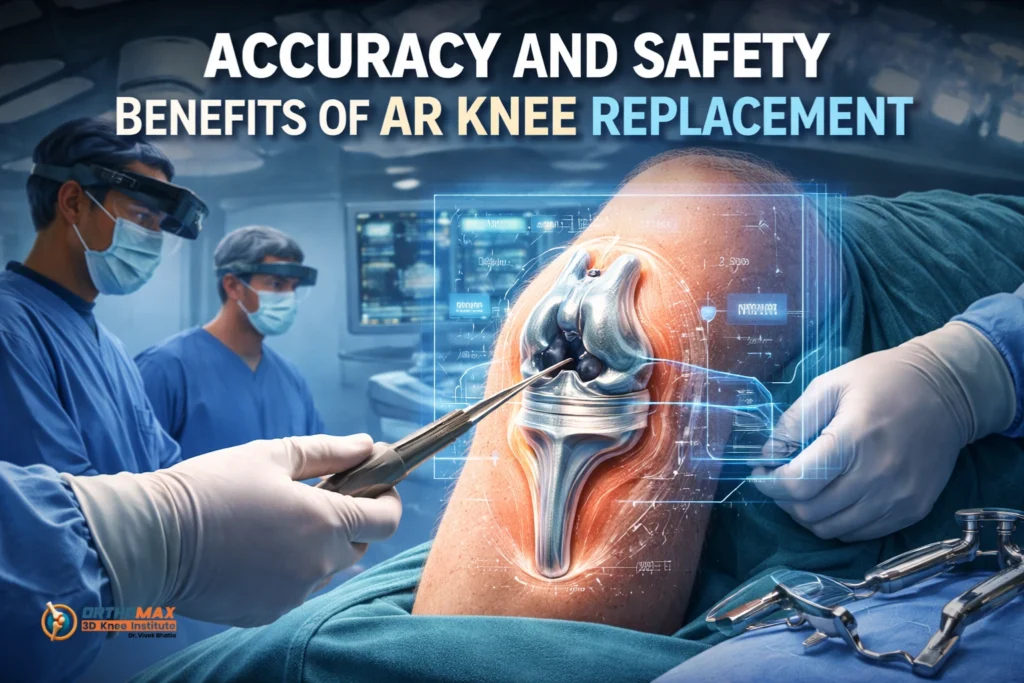
How AR Technology Is Transforming Knee Replacement Surgery Knee replacement surgery has evolved significantly over the past decade, and AR knee replacement is now redefining how surgeons achieve precision and safety in the operating room. By overlaying digital information directly onto the surgeon’s real-world view, augmented reality is helping improve implant alignment, reduce surgical errors, and enhance patient outcomes. In this in-depth guide, we’ll explore the accuracy and safety benefits of AR knee replacement, how it works, why it’s considered a breakthrough in orthopedic surgery, and what patients should know before choosing this advanced procedure. Understanding AR Knee Replacement Technology AR knee replacement uses augmented reality technology to project real-time, computer-generated visuals—such as bone alignment, implant positioning, and surgical pathways—onto a display viewed by the surgeon during the operation. Unlike traditional knee replacement, which relies heavily on manual instruments and the surgeon’s experience, AR-assisted knee replacement combines: Preoperative 3D imaging Real-time tracking sensors Digital overlays for guidance This integration significantly enhances accuracy in knee replacement surgery while maintaining high safety standards. Why Accuracy Matters in Knee Replacement Surgery Accuracy is the foundation of a successful knee replacement. Even a few millimeters of misalignment can lead to: Early implant wear Chronic pain Reduced mobility Need for revision surgery How AR Knee Replacement Improves Accuracy With AR knee replacement, surgeons can: Visualize anatomical landmarks in real time Achieve precise bone cuts Ensure optimal implant alignment Maintain balanced soft tissues These improvements directly contribute to better long-term outcomes and higher patient satisfaction. Key Accuracy Benefits of AR Knee Replacement 1. Real-Time Surgical Guidance One of the biggest advantages of AR knee replacement is real-time guidance. Surgeons receive instant visual feedback during every step of the procedure, helping them adjust angles, depth, and positioning on the spot. 2. Enhanced Implant Alignment Proper implant alignment is crucial for joint stability and longevity. AR-assisted systems help surgeons align implants with greater precision than conventional techniques, reducing the risk of post-surgical complications. 3. Personalized Surgical Planning Every knee is unique. AR knee replacement allows for customized surgical plans based on a patient’s specific anatomy, leading to more natural knee movement after surgery. Safety Benefits of AR Knee Replacement Beyond accuracy, AR knee replacement offers significant safety advantages for both patients and surgeons. 1. Reduced Surgical Errors By visualizing critical structures such as ligaments and bone boundaries, AR technology minimizes the risk of accidental damage during surgery. 2. Lower Risk of Revision Surgery Improved accuracy and alignment reduce implant failure rates, decreasing the likelihood of revision knee replacement procedures. 3. Minimally Invasive Approach Many AR knee replacement procedures support minimally invasive techniques, resulting in: Smaller incisions Less blood loss Reduced infection risk AR Knee Replacement vs Traditional Knee Replacement Feature Traditional Knee Replacement AR Knee Replacement Accuracy Surgeon-dependent Digitally guided Implant Alignment Manual tools Real-time AR guidance Safety Standard Enhanced visualization Recovery Longer Often faster Revision Risk Higher Lower This comparison clearly highlights why AR knee replacement is gaining global attention. Role of AR Knee Replacement in Faster Recovery Accuracy and safety directly influence recovery. With AR knee replacement, patients often experience: Better joint stability Reduced post-operative pain Improved range of motion Faster rehabilitation timelines Accurate implant placement ensures natural knee mechanics, helping patients return to daily activities sooner. How AR Knee Replacement Enhances Surgeon Confidence AR knee replacement isn’t just beneficial for patients—it also supports surgeons by: Reducing intraoperative uncertainty Offering data-backed decision-making Shortening the learning curve for complex cases This combination leads to consistently high-quality surgical outcomes. Is AR Knee Replacement Suitable for Everyone? While AR knee replacement is highly advanced, it may not be suitable for all patients. Ideal candidates often include: Patients with complex knee deformities Individuals seeking long-term implant durability Active patients requiring precise alignment A detailed consultation and imaging assessment help determine suitability. Global Adoption of AR Knee Replacement With rising demand for precision-driven healthcare, AR knee replacement is increasingly adopted across leading orthopedic centers worldwide. Its ability to improve safety, accuracy, and outcomes aligns perfectly with modern, value-based healthcare models. AR Knee Replacement and the Future of Orthopedic Surgery The future of knee replacement lies in data-driven, AI-powered, and AR-assisted solutions. As augmented reality systems evolve, we can expect: Even higher surgical precision Shorter operative times Predictive analytics for outcomes Seamless integration with AI and robotics These advancements position AR knee replacement at the forefront of orthopedic innovation. FAQs: Accuracy and Safety Benefits of AR Knee Replacement 1. What makes AR knee replacement more accurate? AR knee replacement uses real-time digital overlays to guide surgeons, ensuring precise bone cuts and optimal implant alignment. 2. Is AR knee replacement safer than traditional surgery? Yes. Enhanced visualization reduces surgical errors, lowers infection risks, and minimizes the chances of revision surgery. 3. Does AR knee replacement reduce recovery time? In many cases, yes. Better alignment and minimally invasive techniques often lead to faster recovery and improved mobility. 4. Is AR knee replacement painful? Pain levels are comparable or lower than traditional knee replacement due to improved surgical precision and tissue preservation. 5. How long does an AR knee replacement implant last? With improved alignment and reduced wear, implants placed using AR knee replacement may last longer than those placed using conventional methods. Final Thoughts The accuracy and safety benefits of AR knee replacement make it a game-changing advancement in orthopedic care. By combining real-time visualization, personalized planning, and enhanced surgical precision, AR knee replacement is setting new standards for patient outcomes and long-term joint health. As healthcare continues to embrace intelligent technologies, AR knee replacement stands out as a reliable, future-ready solution—benefiting patients, surgeons, and healthcare systems alike.

How Robotic Knee Replacement Enhances Surgical Accuracy

How Robotic Knee Replacement Enhances Surgical Accuracy & Precision

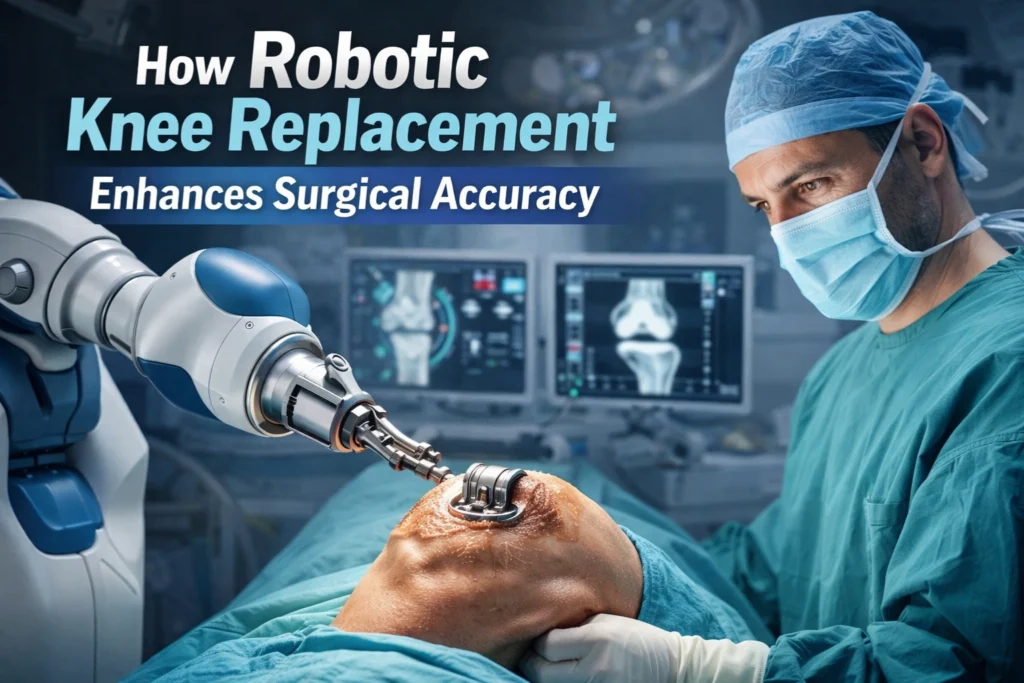
How Robotic Knee Replacement Enhances Surgical Accuracy & Precision Knee replacement surgery has evolved rapidly over the last decade. What was once a procedure driven largely by the surgeon’s experience and manual instruments is now guided by advanced technology, real-time data, and precision planning. One of the most impactful innovations in this space is robot assisted knee surgery, which is redefining how accuracy is achieved in modern joint replacement. This blog explains how robotic knee replacement enhances surgical accuracy, why precision matters so much in knee outcomes, and what patients should realistically expect.  Why Surgical Accuracy Matters in Knee Replacement Accuracy in knee replacement is not a technical luxury—it directly affects how long the implant lasts, how natural the knee feels, and how quickly patients recover. When a knee implant is placed even a few millimeters off alignment, it can lead to: Uneven wear of the implant Persistent pain or stiffness Reduced range of motion Early implant failure Need for revision surgery Traditional knee replacement techniques rely heavily on manual alignment tools and visual judgment. While experienced surgeons achieve good results, human estimation still has limitations. This is where robotic assistance changes the game. What Is Robotic Assistance in Knee Surgery? Robotic assistance in knee surgery uses computer-guided technology to help surgeons plan and execute the procedure with extremely high precision. Contrary to common belief, robots do not perform surgery independently. The surgeon remains in full control at every step. The robotic system acts as an intelligent assistant that: Creates a detailed 3D model of the patient’s knee Guides bone cuts within predefined safe boundaries Continuously adjusts to real-time feedback during surgery This combination of surgeon expertise and digital precision is what enhances surgical accuracy beyond what manual techniques alone can achieve. Pre-Surgical Planning: Accuracy Starts Before the First Cut One of the biggest advantages of robotic-assisted knee procedures is what happens before surgery even begins. Personalized 3D Knee Mapping Using advanced imaging and data mapping, the robotic system builds a virtual 3D model of the patient’s knee. This allows the surgeon to: Analyze bone structure, cartilage loss, and deformities Assess ligament balance and joint mechanics Plan implant size and positioning with sub-millimeter accuracy This personalized planning replaces one-size-fits-all approaches and ensures the surgical strategy is tailored to the patient’s anatomy. How Robotics Improve Bone Cutting Precision Bone cuts are the foundation of knee replacement accuracy. Even slight deviations can affect implant alignment and long-term function. Controlled, Guided Bone Resection During surgery, the robotic system provides: Visual guidance on screen Physical boundaries that prevent overcutting Real-time feedback if alignment deviates from the plan This ensures that bone removal is limited strictly to what is necessary—no more, no less. As a result, implant placement becomes more accurate and reproducible. Real-Time Adjustments for Better Alignment Every knee behaves differently once the joint is opened. Ligament tension, soft tissue balance, and joint movement can change during surgery. Robotic systems continuously analyze knee movement through the full range of motion, allowing surgeons to: Adjust implant position instantly Balance ligaments more precisely Optimize knee stability and flexibility This dynamic assessment is nearly impossible to replicate with conventional tools alone. Enhanced Implant Positioning and Longevity Accurate implant positioning is one of the strongest predictors of long-term success in knee replacement. With robotic guidance: Implant angles are optimized Joint alignment is restored closer to natural anatomy Load distribution across the knee becomes more even Clinical studies consistently show that better alignment reduces implant wear, lowers revision risk, and improves patient satisfaction over time. Smaller Errors, Bigger Impact on Recovery Precision doesn’t just affect long-term outcomes—it also influences early recovery. When robotic assistance is used: Less healthy bone is removed Soft tissue damage is minimized Swelling and inflammation are often reduced   This can translate into: Faster mobility Better early knee function Shorter hospital stays While recovery still varies by patient, surgical accuracy plays a significant supporting role. Comparing Manual vs Robotic Knee Surgery Accuracy Aspect Manual Knee Surgery Robotic-Assisted Surgery Bone cutting accuracy Surgeon-dependent Computer-guided precision Implant alignment Visual estimation Real-time digital tracking Soft tissue balance Manual assessment Dynamic motion analysis Personalization Limited Highly individualized Reproducibility Variable Consistently high This comparison explains why many centers now consider robotic assistance a major advancement rather than a trend. Does Robotic Accuracy Benefit All Patients? Robotic accuracy can be particularly beneficial for: Patients with knee deformities Younger, active individuals seeking long implant life Patients with complex anatomy Those who want highly personalized surgery However, success still depends on surgeon expertise, proper patient selection, and high-quality post-operative rehabilitation. At advanced centers like Orthomax 3D Knee Hospital, technology is combined with experience—not used as a replacement for it. Addressing Common Myths About Robotic Knee Surgery “The robot performs the surgery” False. The surgeon controls every step. The robot only assists. “Robotic surgery is experimental” Not true. Robotic-assisted knee procedures are widely used globally with strong clinical data. “It guarantees pain-free recovery” No surgery can guarantee outcomes, but improved accuracy significantly increases the chances of better results. Is Robotic Surgery the Same as the Best Surgical Outcome? Technology alone does not define the best knee replacement outcome. Accuracy, surgeon skill, implant quality, rehabilitation, and patient commitment all work together. Robotic systems enhance precision, but results still depend on: Correct surgical planning Proper implant selection Structured physiotherapy Long-term lifestyle care When all these factors align, patients experience the most natural-feeling and durable knee outcomes. Cost vs Value: Is Robotic Accuracy Worth It? Robotic-assisted procedures may involve higher upfront costs. However, when evaluated long-term, improved accuracy can mean: Lower revision surgery risk Better functional outcomes Higher patient satisfaction For many patients, this makes robotic assistance a value-based investment rather than an added expense. Future of Surgical Accuracy in Knee Replacement As robotic systems continue to evolve, we can expect: Even more refined personalization AI-driven predictive planning Better integration with patient recovery data Accuracy will increasingly become the standard rather than the exception. FAQs:  1. How does robotic assistance improve surgical accuracy? Robotic systems provide

Non Surgical Knee Care Solutions to Delay Arthritis Progression

Non-Surgical Knee Care Solutions to Delay Arthritis Progression

Non-Surgical Knee Care Solutions to Delay Arthritis Progression Early-stage knee arthritis does not automatically mean surgery. In fact, modern orthopaedic care focuses strongly on knee preservation—a proactive, non-surgical approach aimed at reducing pain, slowing joint damage, and maintaining natural knee function for as long as possible. If you’ve been diagnosed with early arthritis or are experiencing recurring knee pain, stiffness, or swelling, this guide explains the most effective non-surgical knee preservation options, how they work, and who benefits the most.  What Is Knee Preservation and Why It Matters in Early Arthritis Knee preservation refers to non-surgical strategies that protect the natural knee joint instead of replacing it. In early arthritis, cartilage damage is often mild to moderate, making preservation treatments highly effective. The main goals of knee preservation are: Reduce pain and inflammation Slow cartilage degeneration Improve mobility and strength Delay or avoid knee replacement surgery Using knee preservation early gives patients more control over their joint health and quality of life. Understanding Early Knee Arthritis Early arthritis typically involves: Mild cartilage thinning Occasional pain during activity Morning stiffness Swelling after prolonged walking or standing At this stage, the knee joint still has significant healing and adaptation potential. This is why non-surgical knee preservation options work best when started early. Who Is an Ideal Candidate for Non-Surgical Knee Preservation You may benefit from knee preservation if: You have early or mild osteoarthritis Knee pain increases with activity but settles with rest X-rays show minimal joint space narrowing You want to delay or avoid surgery You’re physically active or middle-aged Knee preservation is also suitable for younger patients who are not ideal candidates for knee replacement. Core Principles of Non-Surgical Knee Preservation All knee preservation treatments revolve around four pillars: Load reduction Muscle strengthening Inflammation control Joint lubrication and nutrition Combining multiple approaches gives the best long-term results. Physiotherapy: Physiotherapy is the cornerstone of knee preservation for early arthritis. How Physiotherapy Helps Strengthens quadriceps and hamstrings Improves joint stability Reduces pressure on damaged cartilage Improves walking mechanics Best Exercises for Knee Preservation Straight leg raises Hamstring stretches Mini squats Step-ups Low-impact cycling A structured physiotherapy plan significantly reduces pain and improves function without medication or surgery. Weight Management:  Every extra kilogram of body weight adds three to four times more pressure on the knee joint. Why Weight Loss Supports Knee Preservation Reduces cartilage stress Slows arthritis progression Improves treatment outcomes Decreases inflammation Even a 5–10% reduction in body weight can lead to noticeable pain relief in early arthritis. Activity Modification Without Giving Up Movement Knee preservation does not mean stopping activity—it means choosing smarter movement. Knee-Friendly Activities Swimming Cycling Elliptical training Yoga and pilates Activities to Limit Running on hard surfaces Deep squats Jumping exercises Prolonged stair climbing Balanced activity protects cartilage while keeping the knee strong. Pain Relief Medications:  Medications play a limited but useful role in knee preservation. Common Options Paracetamol for mild pain Topical anti-inflammatory gels Short-term oral NSAIDs (if prescribed) Medications should support, not replace, long-term knee preservation strategies. Knee Braces and Supports for Joint Offloading Unloading braces are valuable in knee preservation, especially if arthritis affects one side of the knee. Benefits of Knee Bracing Redistributes joint load Improves walking comfort Reduces pain during daily activities Braces work best when combined with physiotherapy. Injection Therapies in Knee Preservation Injection-based treatments are advanced non-surgical knee preservation options for early arthritis. Hyaluronic Acid Injections (Viscosupplementation) These injections restore lubrication inside the knee joint. Benefits: Improves joint movement Reduces friction Pain relief for 6–12 months Hyaluronic acid is ideal for patients with mild cartilage wear. Platelet-Rich Plasma (PRP) Therapy PRP uses your own blood platelets to promote healing. Why PRP Supports Knee Preservation Reduces inflammation Supports cartilage health Improves pain and function PRP is increasingly popular for biologic knee preservation. Corticosteroid Injections (Limited Use) Steroid injections reduce inflammation quickly but are not a long-term knee preservation solution. Best used for: Acute flare-ups Severe inflammation Repeated injections should be avoided as they may harm cartilage over time. Nutritional Support for Knee Preservation Nutrition directly influences joint health. Key Nutrients for Knee Preservation Omega-3 fatty acids Vitamin D Calcium Collagen peptides Anti-inflammatory diets rich in fruits, vegetables, and healthy fats support cartilage longevity. Lifestyle Changes That Strengthen Knee Preservation Small daily habits make a big difference: Avoid prolonged sitting Use proper footwear Warm up before exercise Maintain good posture Consistency is crucial for long-term knee preservation success. Mental Health and Pain Perception Chronic knee pain affects mental well-being, and stress increases pain sensitivity. Mindfulness, meditation, and adequate sleep improve outcomes in knee preservation programs by reducing pain amplification. How Long Can Knee Preservation Delay Surgery? With proper knee preservation: Surgery can be delayed by 5–15 years Many patients never need knee replacement Joint function remains stable longer Early intervention is the key to success. When Non-Surgical Knee Preservation May Not Be Enough Knee preservation may become less effective if: Cartilage loss is severe Pain persists despite multiple treatments Knee deformity progresses In such cases, surgical options may be discussed—but preservation always comes first. Frequently Asked Questions (FAQs) 1. What is the best non-surgical knee preservation treatment? There is no single best option. A combination of physiotherapy, weight management, injections, and lifestyle changes delivers the strongest knee preservation results. 2. Can knee preservation reverse arthritis? Knee preservation cannot reverse arthritis but can significantly slow progression and control symptoms. 3. How long do knee preservation injections last? Hyaluronic acid lasts 6–12 months, while PRP benefits may last up to a year or more in early arthritis. 4. Is walking good for knee preservation? Yes. Controlled walking on flat surfaces supports knee preservation by maintaining mobility and circulation. 5. At what stage is knee preservation most effective? Knee preservation works best in early arthritis before severe cartilage loss occurs. Final Thoughts:  Non-surgical knee preservation empowers patients to protect their natural joints, stay active, and avoid unnecessary surgery. When started early, knee preservation delivers long-term pain relief, better mobility, and improved quality of life.

Future of Knee Replacement Surgery Using AR Technology

Future of Knee Replacement Surgery Using AR Technology

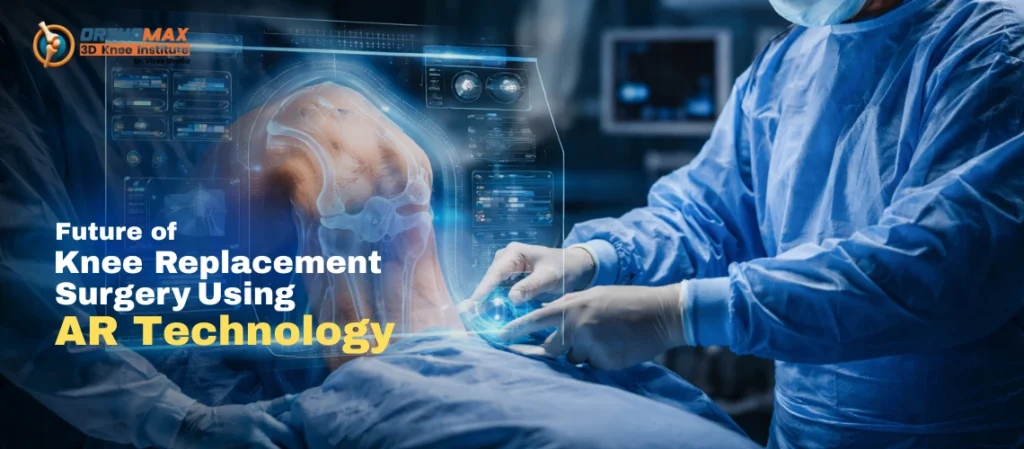
Future of Knee Replacement Surgery Using AR Technology The future of knee replacement surgery using AR technology is no longer a distant idea—it is actively reshaping how orthopedic procedures are planned, performed, and perfected. Knee replacement surgery has traditionally relied on the surgeon’s experience, manual alignment tools, and preoperative imaging. While effective, these methods leave room for variability. Today, AR technology in knee replacement surgery brings digital precision directly into the operating room. By overlaying real-time anatomical data onto the patient’s knee, surgeons can make more accurate decisions during every step of the procedure. This shift is defining the future of knee replacement surgery, making outcomes more predictable, personalized, and patient-centered. This blog explores how AR technology is influencing surgical accuracy, patient recovery, training, and global accessibility—while answering common questions patients and healthcare providers ask. What Is AR Technology in Knee Replacement Surgery? Augmented Reality (AR) technology blends digital information with the real-world surgical environment. In knee replacement surgery, AR systems project 3D models of bones, ligaments, and implant positioning directly into the surgeon’s field of view. Instead of constantly looking away at screens, surgeons can see: Real-time alignment guides Implant positioning data Bone-cutting depth and angles This immersive guidance makes the future of knee replacement surgery using AR technology far more precise than traditional approaches. Why AR Technology Matters for the Future of Knee Replacement Surgery The success of knee replacement surgery depends heavily on accurate implant alignment. Even minor misalignments can lead to pain, stiffness, or early revision surgery. AR technology addresses this challenge directly. Key Reasons AR Technology Is Transformational Enhances surgical accuracy Reduces human error Improves implant longevity Supports personalized treatment planning As hospitals focus more on value-based care, the future of knee replacement surgery using AR technology aligns perfectly with better outcomes and long-term cost efficiency. How AR Technology Improves Surgical Precision Precision is at the heart of the future of knee replacement surgery. AR technology allows surgeons to visualize anatomical landmarks that are otherwise difficult to assess during surgery. Real-Time Guidance During Surgery AR overlays guide: Bone resections Implant size selection Ligament balancing This level of accuracy minimizes guesswork and improves consistency across procedures, making AR technology essential to the future of knee replacement surgery. Personalized Knee Replacement: A Major Advantage of AR Technology No two knees are the same. AR technology enables highly personalized knee replacement surgery by integrating patient-specific imaging such as CT scans or MRIs. Benefits of Personalization Customized implant positioning Better joint alignment Improved range of motion Knee replacement surgery using AR technology is centered on tailoring procedures to individual anatomy rather than relying on standardized approaches. Faster Recovery and Better Patient Outcomes One of the most exciting aspects of the future of knee replacement surgery is how AR technology improves recovery. How AR Technology Supports Recovery More accurate implant placement reduces tissue trauma Better alignment leads to improved joint function Fewer complications mean shorter hospital stays Patients benefit from less pain, quicker rehabilitation, and longer-lasting implants—key indicators of successful knee replacement surgery. AR Technology vs Traditional Knee Replacement Surgery Understanding the difference helps explain why AR technology defines the future of knee replacement surgery. Traditional Surgery Limitations Manual alignment tools Higher variability between surgeons Greater reliance on experience alone AR-Enabled Surgery Advantages Data-driven decisions Real-time feedback Consistent surgical accuracy This comparison highlights why AR technology is quickly becoming a standard in advanced orthopedic care. Training the Next Generation of Surgeons with AR Technology The future of knee replacement surgery also depends on how surgeons are trained. AR technology offers immersive learning experiences that traditional training methods cannot match. AR in Surgical Education Realistic simulations without patient risk Step-by-step guided procedures Faster skill development By improving training quality, AR technology ensures safer knee replacement surgery outcomes for future generations. Cost Efficiency and Long-Term Healthcare Value While AR technology requires initial investment, it delivers long-term economic benefits. Financial Benefits of AR Technology Fewer revision surgeries Reduced hospital readmissions Improved operating room efficiency From a healthcare system perspective, the future of knee replacement surgery using AR technology supports sustainable and cost-effective care. Global Impact: Expanding Access to High-Quality Knee Replacement Surgery AR technology has the potential to reduce global disparities in orthopedic care. How AR Supports Global Healthcare Standardizes surgical quality Assists less-experienced surgeons Enables remote collaboration The future of knee replacement surgery is not limited to advanced hospitals—it can reach underserved regions through AR-assisted guidance. Challenges in Adopting AR Technology Despite its promise, AR technology faces some challenges. Key Barriers High setup costs Training requirements Integration with existing systems However, as technology evolves, these barriers are expected to decrease, accelerating the future of knee replacement surgery worldwide. Future Innovations in AR Knee Replacement Surgery The future of knee replacement surgery using AR technology will likely integrate artificial intelligence and robotics. What’s Coming Next? AI-driven predictive analytics Robotic-assisted AR surgeries Fully digital surgical planning ecosystems These advancements will further enhance precision, safety, and personalization. Is AR Technology Safe for Knee Replacement Surgery? Yes. AR technology is designed to assist—not replace—surgeons. It enhances decision-making while maintaining full human control, making it a safe and reliable advancement in knee replacement surgery. FAQs:  1. What is AR technology in knee replacement surgery? AR technology overlays digital anatomical data onto the surgeon’s real-world view, improving accuracy during knee replacement surgery. 2. Is AR-assisted knee replacement surgery better than traditional surgery? Yes, studies suggest improved alignment, fewer complications, and better long-term outcomes. 3. Does AR technology increase surgery time? Initially, there may be a learning curve, but over time AR technology often reduces overall procedure time. 4. Is AR knee replacement surgery widely available? Availability is growing rapidly, especially in advanced orthopedic centers. 5. Will AR technology reduce revision knee surgeries? Improved accuracy significantly lowers the risk of implant failure and revision surgery. Conclusion:  The future of knee replacement surgery using AR technology represents a shift toward smarter, safer, and more personalized orthopedic care. By combining real-time visualization, precision guidance, and data-driven planning, AR technology is

Scroll to Top