orthomax hospital

Author name: admin

Meniscus Surgery Recovery Timeline Symptoms & Treatment Guide

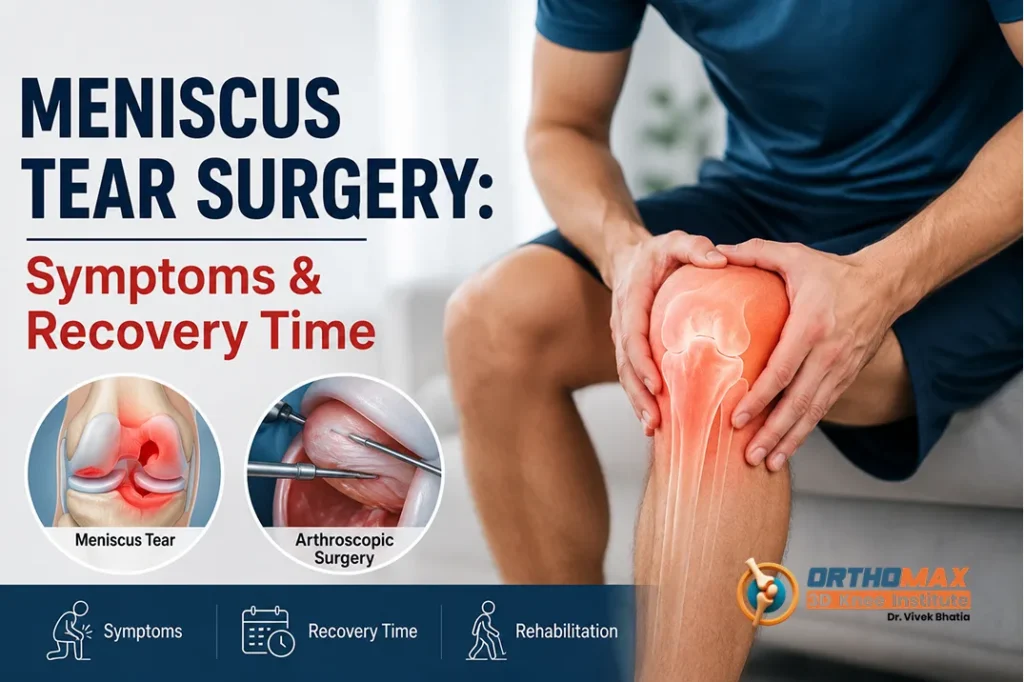
Meniscus Tear Surgery: Symptoms & Recovery Time

Meniscus Tear Surgery: Symptoms & Recovery Time Knee pain can affect mobility, exercise routines, and even simple activities like walking or climbing stairs. Among common knee injuries, a meniscus tear is one of the most frequent orthopedic conditions affecting athletes, active adults, and older individuals. Understanding meniscus tear surgery recovery time is essential because recovery varies depending on the severity of the injury, treatment approach, and rehabilitation process. Globally, meniscal injuries contribute to nearly 850,000 knee surgeries each year, making meniscus-related procedures among the most common orthopedic surgeries performed. Early diagnosis and timely treatment often improve long-term knee function and reduce the risk of chronic complications such as osteoarthritis. In severe cases where knee damage progresses significantly, patients may also explore advanced treatment options like knee replacement surgery for long-term pain relief and improved mobility. This guide explains knee meniscus injury symptoms, surgery options, expected recovery timelines, rehabilitation stages, and commonly asked questions patients search online.   What Is a Meniscus Tear? The meniscus is a C-shaped cartilage structure in the knee joint. Each knee contains two menisci: Medial meniscus (inner side) Lateral meniscus (outer side) These cartilages act as shock absorbers, stabilize the knee joint, and help distribute body weight evenly. A meniscus tear occurs when this cartilage becomes damaged due to: Sudden twisting movements Sports injuries Heavy lifting Aging-related wear and tear Improper landing while running or jumping Meniscus tears can range from minor injuries to severe damage requiring surgical treatment. Quick Answer: What Is the Meniscus Tear Surgery Recovery Time? The average meniscus tear surgery recovery time depends on the type of procedure performed. Typical recovery timelines include: Partial meniscectomy: 3–6 weeks Meniscus repair surgery: 3–6 months Complex tears with additional ligament injuries: 6–9 months Return to sports activities: Approximately 4–7 months Recovery speed also depends on age, overall health, rehabilitation commitment, and tear severity. Common Knee Meniscus Injury Symptoms You Should Not Ignore Recognizing knee meniscus injury symptoms early may prevent worsening damage and long-term complications. Common symptoms include: 1. Knee Pain Pain often develops along the inner or outer side of the knee and may worsen while squatting, walking, or twisting. 2. Swelling Swelling frequently appears within 24–48 hours following injury. 3. Locking or Catching Sensation Some patients feel as though their knee gets stuck while bending or straightening. 4. Reduced Knee Movement Difficulty fully bending or extending the knee is common. 5. Knee Instability The knee may feel weak or unstable while standing or walking. 6. Clicking or Popping Sounds Repeated clicking sounds can indicate cartilage damage. Persistent knee meniscus injury symptoms should be assessed by an orthopedic specialist. What Causes Meniscus Tears? Different age groups experience meniscus tears for different reasons. In Younger Adults and Athletes Common causes include: Football injuries Cricket injuries Gym accidents Sudden pivoting movements High-impact sports In Older Adults Degenerative meniscus tears become more common because cartilage naturally weakens with age. Research suggests adults above 40 years have increased risk of degenerative meniscus injuries. When Is Meniscus Surgery Needed? Not all meniscus tears require surgery. Doctors often recommend conservative treatments initially, including: Rest Ice therapy Compression Elevation Physiotherapy Pain management However, surgery may be recommended when: ✔ Pain continues for several weeks ✔ Knee locking occurs repeatedly ✔ Conservative treatments fail ✔ Tears significantly affect mobility ✔ Patients need to return to sports or demanding physical activity Types of Meniscus Surgery and Their Effect on Meniscus Tear Surgery Recovery Time The procedure chosen strongly affects meniscus tear surgery recovery time. Partial Meniscectomy This procedure removes damaged cartilage tissue. Average recovery: Walking: A few days Daily activities: 2–4 weeks Sports: 4–8 weeks This surgery usually offers a shorter meniscus tear surgery recovery time. Meniscus Repair Surgery During repair surgery, the torn cartilage is stitched to preserve knee function. Average recovery: Weight-bearing restrictions: 4–6 weeks Full recovery: 3–6 months Return to sports: 4–7 months Because natural healing is involved, meniscus tear surgery recovery time is longer. Meniscus Transplant Surgery This option is used in severe cartilage damage cases. Recovery may extend beyond: 6–12 months Meniscus Tear Surgery Recovery Time: Recovery Timeline Explained Patients frequently ask: How long does recovery take after meniscus surgery? Below is a realistic recovery timeline. Week 1–2 After Surgery Main goals include: Controlling pain Reducing swelling Beginning gentle movement Patients may require: Crutches Knee braces Ice therapy Week 3–6 Recovery focuses on: Improving flexibility Walking improvement Muscle strengthening Patients recovering from meniscectomy often resume routine activities during this stage. Week 6–12 Rehabilitation becomes more active: Strength training Balance exercises Controlled movement therapy Light cycling Month 3–6 Most patients experience: Improved stability Better mobility Reduced pain Increased strength Many complete major meniscus tear surgery recovery time milestones during this period. Month 6 and Beyond Athletes and highly active individuals gradually return to: Running Jumping Competitive sports Factors Affecting Meniscus Tear Surgery Recovery Time Recovery varies between individuals because of several factors. Age Younger patients generally heal faster. Tear Severity Complex tears often require longer rehabilitation. Overall Health Smoking, obesity, diabetes, and poor nutrition may slow healing. Rehabilitation Participation Patients following structured physiotherapy programs often recover more effectively. Studies indicate consistent rehabilitation significantly improves knee function after surgery. Can a Meniscus Tear Heal Without Surgery? Small tears located in areas with better blood supply sometimes heal naturally. Healing depends on: Tear size Tear location Blood circulation Patient age Physical activity level Minor injuries may improve with physiotherapy and conservative treatment. However, persistent knee meniscus injury symptoms should not be ignored. Exercises That Support Faster Recovery Always perform rehabilitation exercises under medical guidance. Common recovery exercises include: Heel slides Straight leg raises Quadriceps strengthening Balance exercises Stationary cycling Starting intense exercise too early may increase meniscus tear surgery recovery time. Risks of Delaying Meniscus Treatment Ignoring symptoms can increase the likelihood of: Chronic knee pain Reduced mobility Progressive cartilage damage Early osteoarthritis Delayed treatment sometimes results in more invasive procedures later. How to Reduce Future Meniscus Injury Risk Preventive measures include: Maintaining healthy body weight Strengthening leg muscles Warming
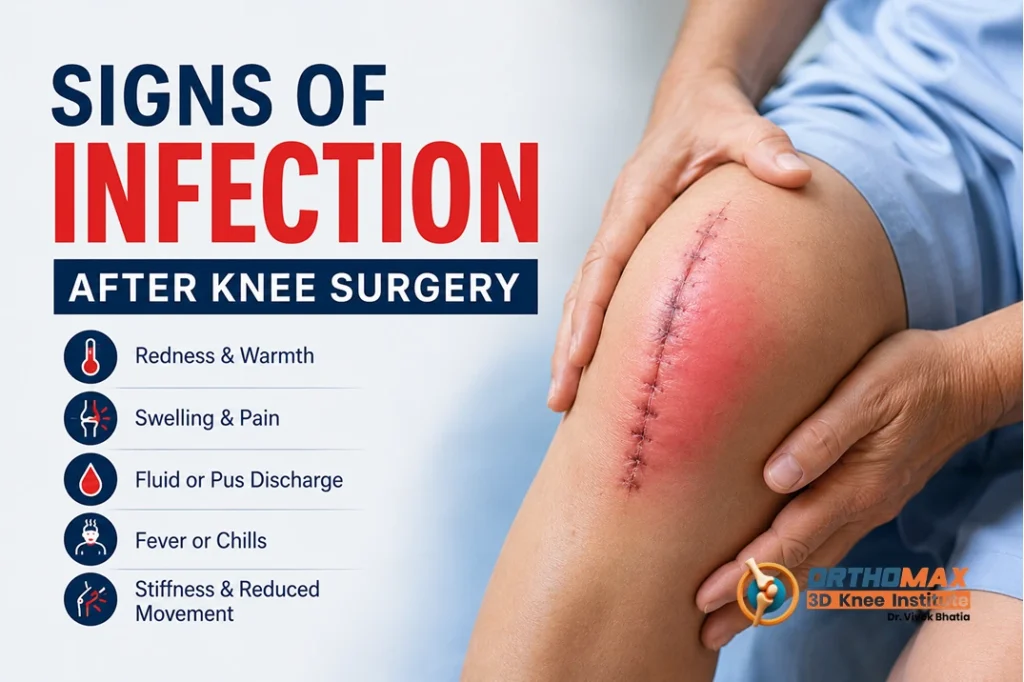

Signs of Infection After Knee Surgery

Signs of Infection After Knee Surgery Recovering from knee surgery can be a life-changing experience, especially for patients who regain mobility and relief from chronic pain. However, complications can arise if proper care is not taken. One of the most serious concerns patients must watch for is knee surgery infection symptoms, which, if ignored, can delay recovery and lead to further medical complications. In India, knee replacement surgeries are increasing rapidly, with over 1.5 lakh procedures performed annually. While success rates are high, studies indicate that infection after knee replacement occurs in approximately 1–2% of cases. Although this percentage is relatively low, the consequences can be severe if not detected early. This makes awareness of knee surgery infection symptoms critical for every patient undergoing surgery. This detailed guide explains the early signs, causes, diagnosis, treatment, and prevention strategies to help you identify and manage infection after knee replacement effectively. Complete Guide to Knee Replacement Surgery in India Knee replacement surgery has become one of the most effective solutions for individuals suffering from chronic knee pain, arthritis, or joint damage. In India, the procedure is widely accessible, affordable, and performed by highly experienced orthopedic surgeons using advanced medical technology. This complete guide to knee replacement surgery in India covers everything you need to know—from types of procedures and costs to recovery, risks, and expected outcomes—helping you make an informed decision for better mobility and quality of life. What Are Knee Surgery Infection Symptoms? Recognizing knee surgery infection symptoms early is essential for preventing complications. These symptoms may appear shortly after surgery or even weeks later, depending on the type of infection. Common Knee Surgery Infection Symptoms: Persistent or increasing pain around the knee Swelling that does not improve over time Redness and warmth near the surgical site Fever or chills Fluid or pus discharge from the incision Limited mobility or stiffness While mild discomfort is normal after surgery, worsening symptoms are a clear indication that something is wrong. In many cases, these signs point toward an infection after knee replacement that requires immediate medical attention. Early Signs of Infection After Knee Replacement Early detection plays a crucial role in successful treatment. Many patients overlook initial warning signs, assuming they are part of the normal healing process. Key Early Indicators: Unusual warmth: A slight increase in temperature is normal, but excessive warmth may signal infection Delayed healing: If the incision is not closing properly, it could be infected Low-grade fever: Even mild fever can indicate early infection Fatigue and weakness: Your body may be fighting infection internally Monitoring these early knee surgery infection symptoms can help prevent the condition from worsening into a severe infection after knee replacement. Causes of Infection After Knee Replacement Understanding what causes infection can help reduce risks and improve outcomes. Common Causes: Bacterial contamination during or after surgery Poor wound care and hygiene Underlying health conditions like diabetes or obesity Weak immune system Prolonged surgical procedures Post-surgery exposure to unclean environments In India, patients with uncontrolled diabetes are particularly vulnerable to knee surgery infection symptoms, making pre-operative health management essential. Types of Knee Surgery Infections Not all infections are the same. Doctors classify them based on severity and timing. 1. Superficial Infection Affects only the skin Easier to treat with antibiotics Includes mild knee surgery infection symptoms like redness and irritation 2. Deep Infection Affects tissues and implants Requires surgical intervention Common in advanced infection after knee replacement cases 3. Late Infection Occurs months or years after surgery Often spreads from infections elsewhere in the body Understanding these types helps in timely diagnosis and treatment. When Should You See a Doctor? Many patients delay seeking medical advice, which can worsen the condition. You should consult a doctor immediately if you notice: High fever (above 38°C) Severe or worsening pain Continuous discharge from the wound Sudden swelling after initial recovery Difficulty walking or bending the knee Ignoring knee surgery infection symptoms can lead to complications such as implant failure, requiring additional surgery. Diagnosis of Knee Surgery Infection Accurate diagnosis is crucial for effective treatment. Doctors use a combination of clinical evaluation and medical tests. Diagnostic Methods Include: Blood tests (CRP and ESR levels) to detect inflammation Joint fluid aspiration to identify bacteria Imaging tests such as X-rays or MRI Wound culture tests These tests help confirm whether symptoms are due to normal recovery or an infection after knee replacement. Treatment Options for Infection After Knee Replacement Treatment depends on how early the infection is detected and how severe it is. 1. Antibiotics Used in early-stage infections to control bacterial growth. Treatment may last several weeks. 2. Debridement (Surgical Cleaning) Involves removing infected tissue while keeping the implant intact. 3. Revision Surgery In severe cases, the implant may need to be removed and replaced. This is common in advanced infection after knee replacement cases. 4. Two-Stage Surgery A temporary implant is placed before inserting a new one after infection is cleared. Early detection of knee surgery infection symptoms significantly reduces the need for complex procedures. Recovery Timeline After Infection Recovery depends on the severity of infection and treatment approach: Mild infection: 2–6 weeks Moderate infection: 6–12 weeks Severe infection: 3–6 months or longer Patients recovering from infection after knee replacement must follow strict medical advice, including physiotherapy and medication. Prevention Tips: How to Avoid Knee Surgery Infections Prevention is the most effective way to ensure a smooth recovery. Before Surgery: Manage diabetes and blood pressure Maintain a healthy weight Choose a trusted hospital and surgeon After Surgery: Keep the surgical area clean and dry Follow medication schedules strictly Avoid touching or scratching the wound Attend regular follow-up visits By following these steps, you can significantly reduce the risk of knee surgery infection symptoms. FAQs 1. What are the most common knee surgery infection symptoms? The most common symptoms include pain, swelling, redness, fever, and discharge from the wound. 2. How common is infection after knee replacement? It occurs in about 1–2% of patients but may be higher in

Can Knee Surgery Be Avoided With Early Treatment

Can Knee Surgery Be Avoided With Early Treatment?

Can Knee Surgery Be Avoided With Early Treatment? Knee pain is one of the most common orthopedic problems affecting millions of people across India. From young professionals with sedentary lifestyles to elderly individuals suffering from arthritis, the demand for effective knee pain treatment India solutions is growing rapidly. One of the most frequently asked questions is: can knee surgery be avoided if treatment begins early? The answer, in many cases, is yes. Early diagnosis and timely intervention can significantly reduce the need for surgery. With the right combination of physiotherapy, lifestyle changes, and medical care, patients can manage symptoms effectively and maintain an active life. Understanding how early knee pain treatment India works is the key to preventing long-term damage. Understanding Knee Pain: Causes and Risk Factors To determine whether knee surgery can be avoided, it is important to identify the root cause of the problem. Knee pain can arise from a variety of conditions, each requiring a different treatment approach. Common Causes of Knee Pain Osteoarthritis due to aging and cartilage wear Ligament injuries such as ACL or MCL tears Meniscus damage from sports or sudden movements Obesity causing excessive pressure on joints Overuse injuries due to repetitive strain Data Insight: Recent studies suggest that over 45% of adults in India experience knee pain at some stage, and a significant number delay treatment, increasing the risk of surgery. Early knee pain treatment India can help prevent these complications. Why Early Treatment Is Critical The biggest factor in answering can knee surgery be avoided is how early the condition is treated. Ignoring symptoms or delaying care often leads to worsening damage. Benefits of Early Knee Pain Treatment India Slows down cartilage degeneration Reduces inflammation and swelling Improves joint function and mobility Prevents long-term complications Early intervention ensures that patients have access to non-invasive options, making it easier to manage pain and avoid surgery. Non-Surgical Knee Pain Treatment India Options Modern medicine offers a wide range of non-surgical solutions. These methods are effective, affordable, and widely available across India. 1. Physiotherapy: The First Line of Treatment Physiotherapy plays a central role in knee pain treatment India. It focuses on strengthening the muscles around the knee, improving flexibility, and restoring joint stability. Benefits of Physiotherapy Reduces pain naturally Improves movement and flexibility Prevents further injury Patients who begin physiotherapy early often find that knee surgery can be avoided entirely. 2. Medication and Pain Management Doctors may prescribe medications to manage symptoms, including: Anti-inflammatory drugs Pain relievers Joint supplements These treatments are commonly used in knee pain treatment India to provide immediate relief while addressing the underlying issue. 3. Lifestyle Changes and Weight Management Lifestyle plays a major role in knee health. Simple changes can significantly impact recovery. Key Recommendations Maintain a healthy weight to reduce joint stress Avoid high-impact activities like running on hard surfaces Follow a balanced diet rich in calcium and vitamin D These changes improve the chances that knee surgery can be avoided. 4. Advanced Non-Surgical Therapies In more advanced cases, doctors may recommend: Corticosteroid injections Hyaluronic acid injections PRP (Platelet-Rich Plasma) therapy These options are becoming increasingly popular in knee pain treatment India, offering relief without surgery. Can Knee Surgery Be Avoided in Arthritis Patients? Arthritis is one of the leading causes of knee pain in India, especially among older adults. Many patients wonder: can knee surgery be avoided in such cases? In early stages, the answer is often yes. With proper management, patients can slow the progression of arthritis and maintain mobility. Insight: Medical research shows that early treatment can delay knee replacement surgery by up to 10 years in many arthritis patients. Role of Exercise in Preventing Knee Surgery Exercise is one of the most effective ways to improve knee health and determine whether knee surgery can be avoided. Recommended Exercises Quadriceps strengthening exercises Hamstring stretches Low-impact activities like swimming and cycling Regular exercise is a vital part of knee pain treatment India and helps maintain joint stability. Real-Life Example: Early Treatment Success Story Consider a 50-year-old patient experiencing mild knee pain due to early osteoarthritis. Instead of opting for surgery, the patient begins a structured knee pain treatment India plan: Daily physiotherapy sessions Weight loss and dietary changes Medication for inflammation Within six months, the patient experiences reduced pain and improved mobility. This clearly shows that knee surgery can be avoided with early and consistent treatment. When Surgery Becomes Necessary While early treatment is effective in many cases, there are situations where surgery cannot be avoided. Signs That Surgery May Be Required Severe and persistent pain Limited ability to walk or perform daily activities Failure of non-surgical treatments Significant joint damage visible on imaging Recognizing these signs helps patients make informed decisions about their health. Do You Need a Knee Brace After Surgery? After knee surgery, using a brace is often recommended to support healing and protect the joint during recovery. A knee brace helps stabilize the knee, limit unwanted movement, and reduce strain on surgical areas. However, whether you need one depends on the type of surgery, your doctor’s advice, and your recovery progress. In many knee pain treatment India plans, braces are used temporarily alongside physiotherapy to improve mobility and ensure proper alignment while the knee regains strength. How Technology Is Transforming Knee Pain Treatment India Advancements in medical technology are improving outcomes for patients seeking knee pain treatment India. Innovations Include Digital physiotherapy programs Wearable devices for monitoring movement Minimally invasive procedures These innovations help patients recover faster and reduce the likelihood of surgery. Prevention Tips to Avoid Knee Surgery Prevention is always better than cure. Following these tips can reduce the risk of severe knee problems: Stay physically active Maintain a healthy weight Avoid prolonged sitting Use proper posture during activities These habits support long-term joint health and improve the effectiveness of knee pain treatment India. FAQs  1. Can knee surgery be avoided with early treatment? Yes, early knee pain treatment India can help manage symptoms and prevent the need

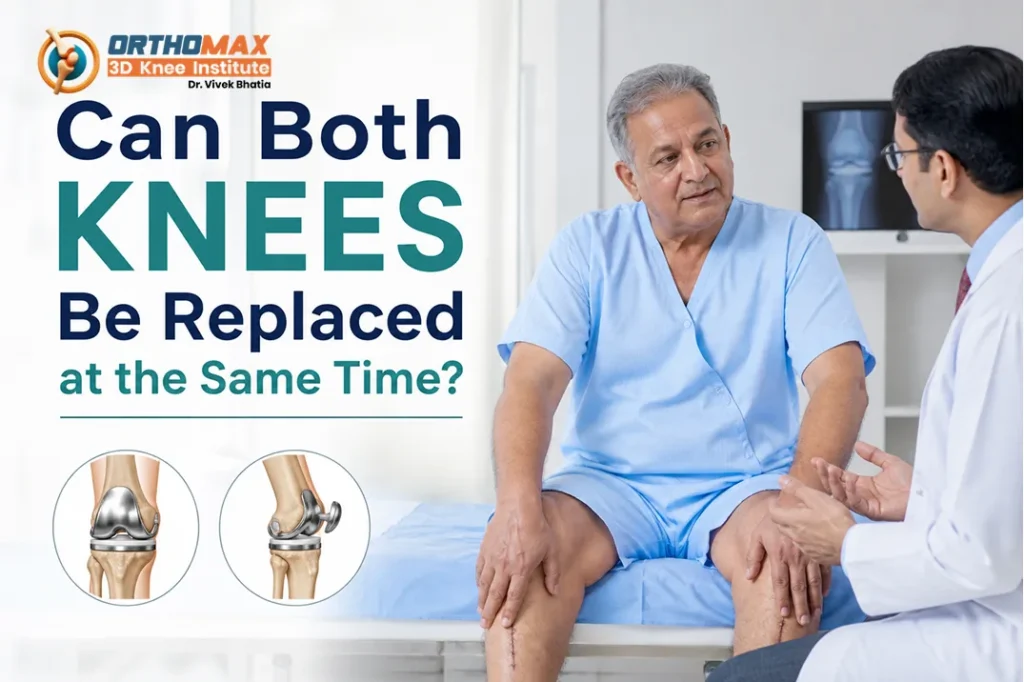
Can Both Knees Be Replaced at the Same Time?

Can Both Knees Be Replaced at the Same Time? Knee pain caused by arthritis or injury can severely impact daily life. Many patients who suffer from pain in both knees often ask: is double knee replacement safe and whether undergoing both knees replacement at same time is the right decision. This procedure, also known as bilateral knee replacement, has become increasingly common in India due to advancements in surgical techniques and faster recovery options. If you are considering knee replacement, understanding the procedure in detail can help you feel more confident about your decision. In this guide, we’ll break down everything you need to know—from safety and risks to recovery time and cost—so you can make an informed decision. What Is Double Knee Replacement? Double knee replacement, medically called bilateral knee replacement, is a surgical procedure where both knees are replaced during a single operation. Instead of scheduling two separate surgeries, patients opt for a single procedure to address pain and mobility issues in both knees simultaneously. There are two main types: Simultaneous bilateral knee replacement – both knees operated in one surgery Staged bilateral knee replacement – each knee operated at different times For many patients, the biggest concern remains: is double knee replacement safe for long-term health and mobility? Is Double Knee Replacement Safe? The short answer is: Yes, double knee replacement is safe for carefully selected patients. However, safety depends on several factors such as: Age and overall health Presence of chronic conditions (diabetes, heart disease) Surgeon expertise Hospital infrastructure What Research Says Studies show success rates of 85–90% for bilateral knee replacement Patients often experience significant pain relief within 3–6 months Complication rates are slightly higher than single knee replacement but still manageable Modern surgical techniques, including minimally invasive procedures, have made both knees replacement at same time safer than ever before. Who Is the Ideal Candidate? Not everyone is suitable for double knee replacement. Doctors usually recommend it for patients who: Have severe arthritis in both knees Are physically fit and under 75 years of age Do not have serious heart or lung conditions Can tolerate a longer surgery If you are wondering if double knee replacement is safe for you, a detailed medical evaluation is essential before making a decision. Benefits of Both Knees Replacement at Same Time Choosing both knees replacement at same time offers several advantages: 1. Single Hospital Stay You undergo surgery once, reducing hospitalization time compared to two separate procedures. 2. Faster Overall Recovery Instead of recovering twice, patients complete rehabilitation in one cycle. 3. Cost-Effective In India, the combined cost of double knee replacement is often lower than two separate surgeries. 4. Symmetrical Movement Both knees heal together, improving balance and walking pattern. These benefits make patients more confident when asking, is double knee replacement safe and worth it? Risks and Complications While the procedure is generally safe, it does carry some risks: Increased blood loss Higher chance of blood clots Longer surgery duration Temporary difficulty in mobility However, with proper care, these risks can be minimized. Hospitals in India now use: Advanced monitoring systems Blood management techniques Early physiotherapy protocols So, while evaluating whether double knee replacement is safe, it’s important to weigh risks against long-term benefits. Recovery Timeline After Double Knee Replacement Recovery plays a crucial role in determining whether both knees replacement at same time is the right option. Immediate Recovery (0–2 Weeks) Hospital stay: 3–5 days Walking with support begins within 24–48 hours Short-Term Recovery (3–6 Weeks) Physiotherapy becomes essential Gradual improvement in mobility Full Recovery (3–6 Months) Most patients regain independence Pain significantly reduces Long-Term Results Implants can last 15–20 years Improved quality of life and mobility Recovery may feel intense initially, which is why many people question: is double knee replacement safe for faster rehabilitation? The answer lies in proper post-surgery care. Cost of Double Knee Replacement in India India is a preferred destination for orthopedic surgeries due to affordability and quality care. Average Cost ₹3,00,000 to ₹6,00,000 for both knees Factors Affecting Cost Hospital type (private vs government) Implant quality Surgeon experience City (Delhi, Mumbai, Chandigarh, etc.) Despite the cost, many patients choose both knee replacements at same time because it reduces overall expenses compared to staged surgeries. Single vs Double Knee Replacement: Which Is Better? Factor Single Knee Double Knee Surgeries Two One Recovery Time Longer (twice) Shorter overall Cost Higher (combined) Lower Risk Lower per surgery Slightly higher If you are healthy and eligible, doctors often recommend double knee replacement, making people more confident in asking: is double knee replacement safe compared to two surgeries? How to Improve Safety and Outcomes To ensure the best results: Choose an experienced orthopedic surgeon Follow pre-surgery fitness programs Maintain a healthy weight Strictly follow physiotherapy These steps significantly improve outcomes and reinforce that both knees replacement at same time can be a safe and effective solution. FAQs 1. Is double knee replacement safe for elderly patients? It can be safe for elderly patients if they are medically fit. However, doctors often recommend staged surgery for higher-risk individuals. 2. How long does double knee replacement surgery take? The procedure usually takes 2–3 hours, depending on the complexity. 3. Is recovery more painful with both knees replaced at same time? Initial discomfort may be higher, but overall recovery is faster compared to two separate surgeries. 4. What is the success rate of double knee replacement? Success rates are around 85–90%, with most patients experiencing significant pain relief. 5. Can I walk after double knee replacement? Yes, patients usually start walking with assistance within 1–2 days after surgery. Conclusion So, is double knee replacement safe? The answer is yes—provided you are the right candidate and the procedure is performed by a highly skilled and experienced orthopedic surgeon in a well-equipped medical facility. For patients suffering from chronic, severe pain in both knees due to conditions like osteoarthritis, opting for both knees replacement at same time can be truly life-changing. Instead of going through two separate

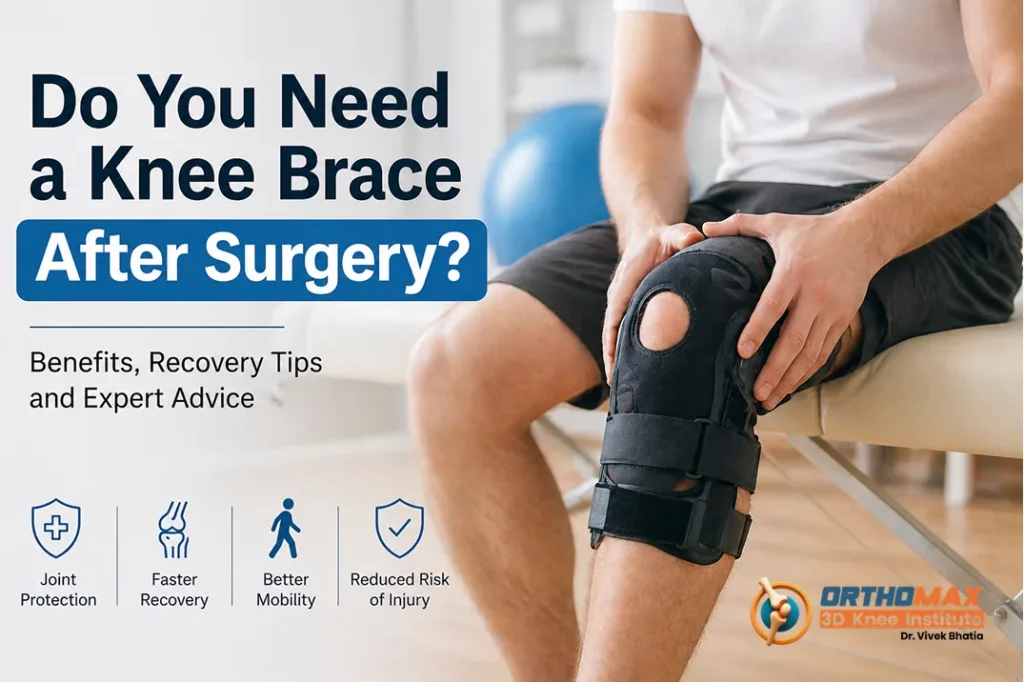
Do You Need a Knee Brace After Surgery?

Do You Need a Knee Brace After Surgery? If you’ve recently undergone knee surgery, one of the most common questions is: do you need a knee brace after surgery? Whether it’s ligament repair, ACL reconstruction, or knee support for knee replacement, a brace is often recommended to protect your joint and promote healing. However, not every patient requires a brace, and the decision depends on multiple factors such as the type of surgery, recovery progress, and your doctor’s advice. In this guide, we’ll break down when a knee brace is necessary, its benefits, and how it supports recovery—especially in the Indian healthcare context. What Is a Knee Brace and How Does It Help? A knee brace is an orthopedic support device designed to stabilize the knee joint, limit harmful movement, and aid recovery after surgery or injury. Key Functions of a Knee Brace: Provides stability to weakened joints Reduces strain on ligaments and muscles Controls range of motion Helps manage pain and swelling Supports safe mobility during recovery For patients needing knee support for knee replacement, braces can be particularly useful in the early recovery phase. You May Need a Knee Brace If: You had ACL or ligament reconstruction Your knee is unstable after surgery Your doctor wants to limit joint movement You’re at risk of re-injury You May Not Need It If: Your surgery was minimally invasive You have strong muscle support Your doctor prioritizes early mobility Medical Insight: Studies suggest that structured rehabilitation combined with selective brace use improves recovery outcomes by up to 30% in ligament surgeries. Knee Support for Knee Replacement: Is It Necessary? Patients undergoing knee replacement often ask about knee support for knee replacement and whether braces are essential. After Knee Replacement Surgery: Braces are not always mandatory They may be used in high-risk cases Physiotherapy plays a bigger role When Braces Are Recommended: Poor muscle strength Balance issues Risk of falls Complex surgical cases In India, many orthopedic surgeons focus more on rehabilitation exercises rather than prolonged brace use. Types of Knee Braces Used After Surgery Choosing the right brace is crucial for recovery. 1. Functional Knee Braces Used after ligament surgeries to support movement. 2. Hinged Knee Braces Provide strong lateral support and control motion. 3. Compression Sleeves Help reduce swelling and improve blood flow. 4. Immobilizer Braces Keep the knee completely straight after surgery. Each type serves a different purpose depending on whether you need knee support for knee replacement or ligament recovery. Benefits of Using a Knee Brace After Surgery 1. Enhanced Stability Braces prevent unwanted movement, reducing injury risk. 2. Faster Healing Support They create a controlled environment for tissue repair. 3. Pain Reduction Compression and support help manage discomfort. 4. Confidence While Walking Patients feel safer during early mobility. 5. Protection Against Re-Injury Especially important in active individuals. How Long Should You Wear a Knee Brace? The duration depends on your condition: ACL Surgery: 2–6 weeks Knee Replacement: Optional, short-term use Minor Procedures: Few days to weeks Doctors usually recommend gradually reducing brace usage as strength improves. Risks of Overusing a Knee Brace While braces are helpful, excessive use can lead to: Muscle weakness Dependency on external support Reduced natural joint stability That’s why experts recommend combining brace use with physiotherapy. Recovery Tips for Better Results To maximize recovery: 1. Follow Physiotherapy Strictly Exercise is key to regaining strength. 2. Maintain a Healthy Diet Protein and calcium support healing. 3. Avoid Overexertion Give your body time to recover. 4. Use Assistive Devices if Needed Walkers or crutches may help initially. 5. Monitor Pain and Swelling Consult your doctor if symptoms worsen. FAQs: Do You Need Knee Brace After Surgery 1. Do all patients need a knee brace after surgery? No, it depends on the type of surgery and doctor’s advice. 2. Is a knee brace required after knee replacement? Not always, but it can help in specific cases. 3. Can wearing a brace slow recovery? Yes, if overused without physiotherapy. 4. Which knee brace is best after surgery? It depends on your condition—hinged or functional braces are common. 5. When can I stop using a knee brace? Once your doctor confirms sufficient strength and stability. Conclusion So, do you need a knee brace after surgery? The answer varies from patient to patient. While braces provide valuable support, especially for ligament injuries and knee support for knee replacement, they are not always mandatory. The key to successful recovery lies in a balanced approach—using support when needed while focusing on physiotherapy and strengthening exercises. Always follow your doctor’s advice, monitor your progress, and avoid overdependence on braces. With the right care and guidance, you can achieve a smooth and successful recovery journey.

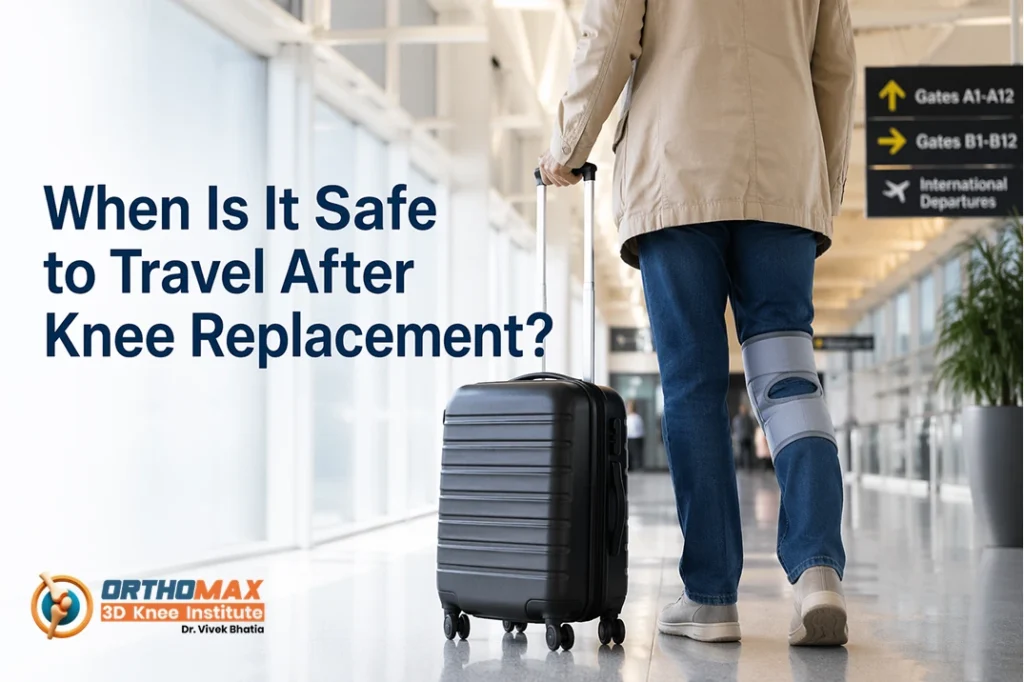
When Is It Safe to Travel After Knee Replacement?

When Is It Safe to Travel After Knee Replacement? Recovering from knee surgery can feel like a long journey, and one of the most common concerns patients have is travel after knee replacement surgery India. Whether it’s a short car ride, train journey, or air travel, knowing the right time to travel is essential for safety and comfort. In this guide, we’ll break down the best time to travel after knee surgery, backed by medical insights, recovery timelines, and practical tips tailored for patients in India. Understanding Recovery Before Travel Before planning travel after knee replacement surgery India, it’s important to understand how recovery works. A standard knee replacement recovery typically follows this timeline: Week 1–2: Pain, swelling, limited movement Week 3–6: Improved mobility with physiotherapy Week 6–12: Increased strength and independence 3 months+: Near-normal function in most patients According to orthopedic studies, over 90% of patients regain functional mobility within 12 weeks, but complete recovery can take up to 6 months. This directly impacts the best time to travel after knee surgery, especially for long-distance trips. Best Time to Travel After Knee Surgery Let’s get straight to the answer most people are searching for: Short Distance Travel (Car or Local Travel) Safe after: 2–3 weeks Conditions: Able to sit comfortably Minimal pain and swelling Regular breaks every 30–45 minutes Short trips are usually the first step in travel after knee replacement surgery India, especially within cities. Train Travel in India Safe after: 4–6 weeks Why: More space to stretch compared to flights Easier movement reduces stiffness For many patients, train journeys are considered the best time to travel after knee surgery before attempting flights. Air Travel (Domestic & International) Safe after: Short flights: 6–8 weeks Long-haul flights: 10–12 weeks Air travel carries a risk of Deep Vein Thrombosis (DVT), a blood clot condition. Medical Fact: Post-surgery patients have a 2–4x higher risk of DVT within the first 6 weeks. That’s why timing is critical for travel after knee replacement surgery India. Why Timing Matters for Travel After Knee Replacement Surgery India Traveling too early can lead to complications such as: Increased swelling and pain Blood clots (DVT) Delayed healing Joint stiffness The best time to travel after knee surgery is when: ✔ You can walk without support (or minimal support)✔ Swelling is controlled✔ You can sit for extended periods✔ Your doctor gives clearance Doctor Recommendations (India-Specific) Orthopedic specialists in India generally advise: Avoid long travel for at least 6 weeks Wear compression stockings during travel Continue prescribed blood thinners if advised Perform leg exercises during travel These steps make travel after knee replacement surgery India safer and more comfortable. Smart Travel Tips After Knee Replacement No matter when you travel, these tips can reduce risks: During Travel: Stretch your legs every 30–60 minutes Stay hydrated Avoid crossing legs Use aisle seats (for flights/trains) Before Travel: Consult your doctor Carry medical reports Wear comfortable clothing After Travel: Elevate your leg Apply ice if swelling occurs Resume physiotherapy Following these ensures you travel safely at the best time to travel after knee surgery. Real Patient Scenario A 62-year-old patient from Delhi underwent knee replacement and planned travel: Week 3: Short car rides (10–15 km) Week 5: Train journey to nearby city Week 9: Domestic flight (2 hours) This gradual approach reflects the safest pattern for travel after knee replacement surgery in India. Travel Type Comparison (Quick Guide) Travel Type Safe Timeline Risk Level Car (short) 2–3 weeks Low Train 4–6 weeks Moderate Flight (short) 6–8 weeks Moderate Flight (long) 10–12 weeks Higher Use this table to decide the best time to travel after knee surgery based on your situation. Signs You Are NOT Ready to Travel Avoid travel if you experience: Severe pain or swelling Limited mobility Signs of infection Fatigue or instability Ignoring these can delay recovery and make travel after knee replacement surgery India risky. Special Considerations for India Travel Traveling in India has unique challenges: Long road journeys Traffic delays Limited legroom in public transport So, the best time to travel after knee surgery in India may require extra caution compared to other countries. FAQs 1. How soon can I travel after knee replacement surgery in India? Most patients can start short travel within 2–3 weeks, but long-distance travel should wait 6–12 weeks. 2. What is the best time to travel after knee surgery? The best time to travel after knee surgery is when pain is controlled, mobility improves, and your doctor approves—usually after 6 weeks. 3. Is flying safe after knee replacement? Yes, but only after 6–8 weeks for short flights and 10–12 weeks for long flights due to DVT risk. 4. Can I sit for long hours after knee surgery? Not initially. You should avoid sitting for long periods in the first 4–6 weeks. 5. What precautions should I take while traveling? Wear compression stockings, stay hydrated, move frequently, and follow doctor advice. Conclusion Recovering properly should always be your top priority before planning any journey. While travel after knee replacement surgery India is achievable, it must be approached with caution and the right timing. Rushing into travel too early can increase the risk of complications such as swelling, discomfort, or even blood clots. Most patients can manage short-distance travel within a few weeks, but longer trips—especially flights—should only be considered after adequate healing and medical clearance. Listening to your body and tracking your recovery milestones is essential. Understanding the best time to travel after knee surgery helps ensure both safety and comfort during your journey. Always consult your doctor before making travel plans, follow prescribed precautions, and take breaks to stay mobile during travel. With proper planning, gradual progress, and the right support, you can confidently resume travel without affecting your recovery or overall health.

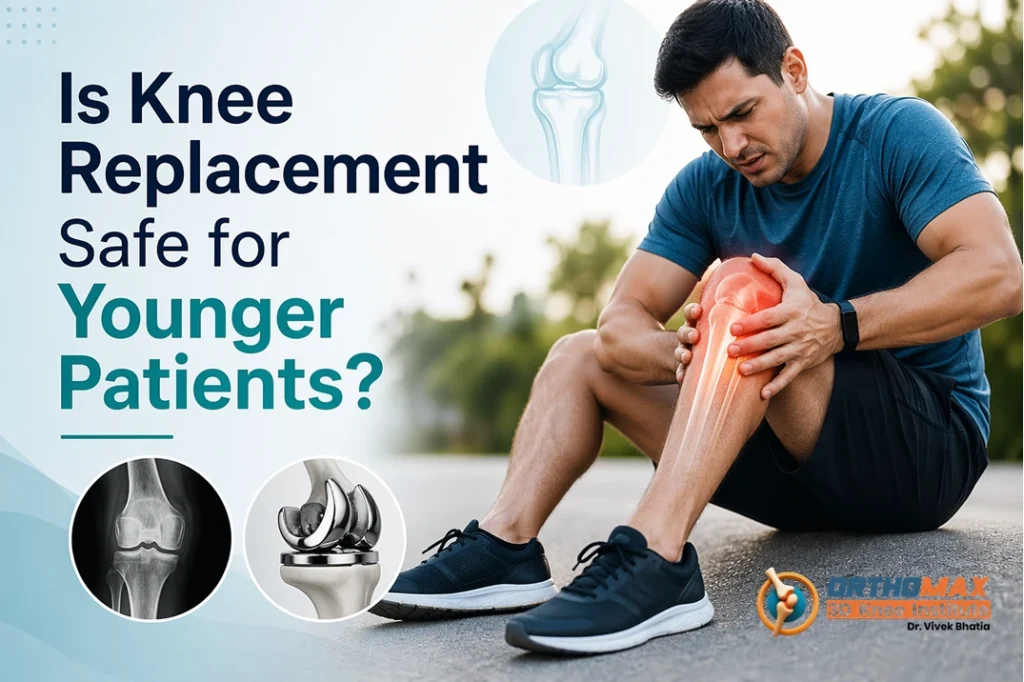
Is Knee Replacement Safe for Younger Patients

Is Knee Replacement Safe for Younger Patients?

Is Knee Replacement Safe for Younger Patients? Knee problems are no longer limited to older adults. Today, many people in their 30s and 40s are dealing with severe joint pain due to lifestyle, injuries, or early arthritis. This raises an important question: what is the knee replacement age limit in India, and is it safe for younger patients to undergo this surgery? The truth is, there is no fixed knee replacement age limit in India. Modern medical advancements have made knee replacement a safe and effective option even for younger individuals when required. However, the decision depends on several factors like joint condition, activity level, and long-term expectations. In this blog, we’ll break down everything you need to know, including safety, risks, success rates, and knee replacement cost India, so you can make an informed decision. Understanding Knee Replacement Age Limit India Traditionally, doctors recommended knee replacement surgery for patients above 60 years of age. But today, this approach has changed significantly. There is no strict knee replacement age limit India, and surgeons now focus more on: Severity of knee damage Level of pain and discomfort Impact on daily activities Failure of non-surgical treatments Key Data & Insights: Around 20–25% of knee replacement patients in India are under 55 Success rates are as high as 90–95% Modern implants last 15–25 years This means younger patients can safely undergo surgery if their condition demands it. Why Younger Patients Need Knee Replacement The increasing demand among younger patients is not surprising. Several factors contribute to early knee damage: 1. Early-Onset Arthritis Due to obesity, genetics, or lifestyle habits. 2. Sports Injuries Ligament tears or cartilage damage can lead to long-term joint issues. 3. Accidents & Trauma Fractures or injuries can accelerate joint wear and tear. 4. Sedentary Lifestyle Lack of movement weakens joints and muscles. In such cases, waiting for an “ideal age” based on the knee replacement age limit India can worsen the condition. Is Knee Replacement Safe for Younger Patients? Yes, knee replacement is considered safe and effective for younger patients when done under proper medical guidance. Benefits: Significant pain relief Improved mobility and flexibility Better quality of life Ability to return to daily activities Risks: Implant wear over time Possible need for revision surgery Activity restrictions Success Rate: 90–95% success rate in India 85–90% implants last over 20 years This shows that safety is not the issue—the key concern is long-term durability. Knee Replacement Cost India: What to Expect Cost plays a major role, especially for younger patients planning long-term care. Average Knee Replacement Cost India: ₹1.5 lakh to ₹5 lakh per knee Robotic surgery: ₹2.5 lakh to ₹6 lakh Government hospitals: More affordable options Factors Affecting Cost: Type of implant Hospital and city Surgeon’s experience Technology used Compared to countries like the US or UK, the knee replacement cost India is significantly more affordable, making it a popular medical destination. Implant Lifespan and Revision Surgery One major concern linked to knee replacement age limit India is how long the implant will last. Implant Lifespan: Typically 15–25 years Younger patients may need a second surgery later Modern Improvements: Durable materials (ceramic, titanium) Robotic precision Better surgical techniques Even if revision surgery is required, the initial procedure can greatly improve quality of life for many years. Alternatives Before Surgery Doctors usually suggest trying non-surgical treatments before opting for knee replacement. Common Alternatives: Physiotherapy Weight management Pain relief medications Knee injections Lifestyle modifications If these methods fail, surgery becomes the most effective solution. Recovery and Life After Surgery Recovery is a key factor in determining long-term success, particularly when it comes to knee surgery and recovery. Recovery Timeline: Walking with support: 2–3 days Daily activities: 4–6 weeks Full recovery: 3–6 months Lifestyle After Surgery: Avoid high-impact activities Maintain a healthy weight Follow physiotherapy strictly Younger patients often recover faster but must maintain discipline to ensure long-term success. Who Should Consider Knee Replacement? Instead of focusing only on the knee replacement age limit India, consider whether you meet these criteria: Ideal Candidates: Severe, chronic knee pain Limited mobility Advanced arthritis Failed non-surgical treatments Not Suitable For: Mild or manageable pain Active infections Unrealistic expectations Pros and Cons for Younger Patients Advantages: Pain-free life Improved movement Better mental well-being Disadvantages: Possible revision surgery Long-term implant care Activity limitations A balanced understanding helps in making the right decision. FAQs 1. What is the knee replacement age limit in India? There is no fixed knee replacement age limit in India. Doctors recommend surgery based on pain level, joint damage, and mobility issues rather than age alone. 2. Is knee replacement safe for younger patients? Yes, knee replacement is safe for younger patients with a success rate of around 90–95% in India. 3. What is the average knee replacement cost in India? The knee replacement cost India ranges between ₹1.5 lakh to ₹5 lakh per knee, depending on the hospital and technology used. 4. How long does a knee implant last? Knee implants typically last between 15 to 25 years. Younger patients may require revision surgery later. 5. Can I live a normal life after knee replacement? Yes, most patients return to normal daily activities within a few weeks, with improved mobility and reduced pain. 6. Are there non-surgical options available? Yes, physiotherapy, medications, and lifestyle changes are recommended before surgery. 7. What are the risks involved? Risks include infection, implant wear, and the need for revision surgery, but these are relatively rare with proper care. Conclusion Knee replacement is no longer restricted by age, and the concept of a strict knee replacement age limit India is becoming outdated. Today, the decision depends more on the severity of pain, joint damage, and how much it affects your daily life. For younger patients, knee replacement can be a safe and life-changing procedure when done at the right time. While factors like implant lifespan and knee replacement cost India should be considered, advancements in medical technology have made the surgery highly effective and reliable. If knee pain

Why Recognizing Knee Implant Failure Symptoms Matters

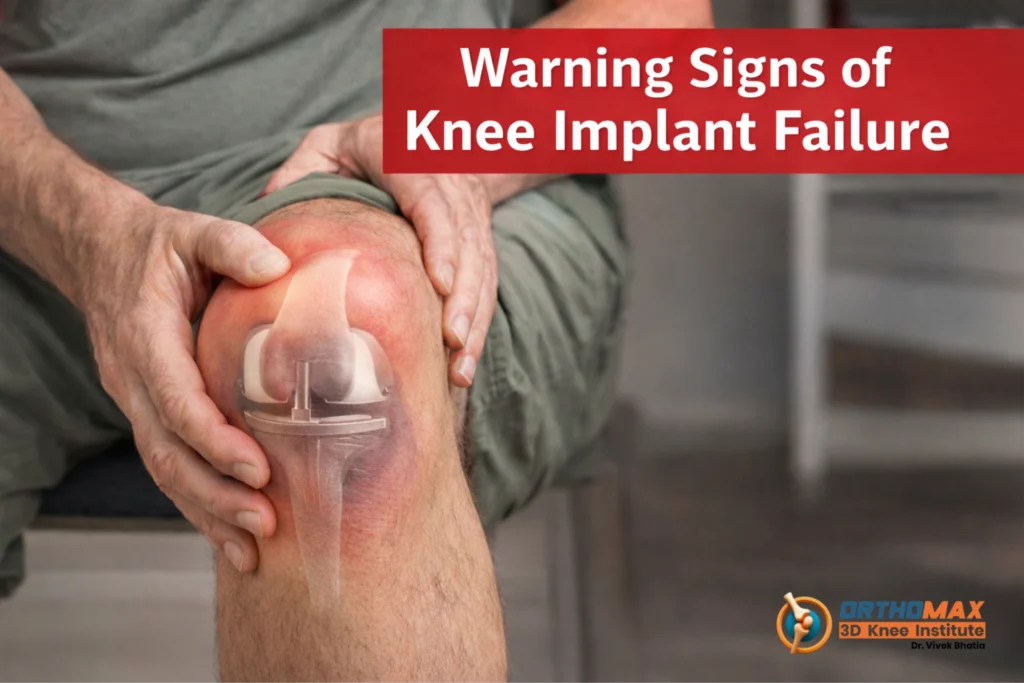
Why Recognizing Knee Implant Failure Symptoms Matters Knee replacement surgery is widely considered one of the most successful orthopedic procedures, with over 90–95% success rates lasting 15–20 years. However, in some cases, complications can arise. Recognizing knee implant failure symptoms early can help prevent severe damage, reduce pain, and avoid complex revision surgeries. If you’re experiencing discomfort after surgery, understanding the signs of knee replacement failure is crucial. Early detection can mean the difference between simple treatment and major corrective procedures. Why Early Detection Matters After knee replacement surgery, it’s common to feel some discomfort during recovery. However, not all pain or symptoms are part of normal healing. Many patients ignore early warning signs, assuming they will improve with time—but this delay can sometimes make the condition worse. Early detection allows doctors to identify small issues before they turn into serious complications. When problems like implant loosening, infection, or alignment issues are caught early, they can often be managed with simple treatments instead of major surgery. Acting early can help you: Prevent worsening damage: Minor issues can progress if left untreated, affecting the implant and surrounding tissues. Reduce pain and complications: Early treatment helps control symptoms before they become severe. Avoid costly revision surgery: In many cases, timely care can eliminate the need for a second surgery. Maintain long-term mobility: Addressing problems early ensures better movement and quality of life.  In simple terms, the sooner you recognize that something isn’t right, the easier, safer, and more affordable your treatment will be. Common Knee Implant Failure Symptoms In India and globally, knee replacements are increasing rapidly due to aging populations and lifestyle factors. Studies show: Around 5–10% of knee replacements fail within 10–15 years Infection-related failures occur in 1–2% of cases Implant loosening is the most common cause of failure These numbers highlight why monitoring knee implant failure symptoms is essential. 1. Persistent or Increasing Pain Mild pain is expected during recovery. However, persistent or worsening pain months or years later is one of the earliest signs of knee replacement failure. Red flags: Pain that increases over time Pain during walking or weight-bearing Night pain that disrupts sleep This could indicate: Implant loosening Infection Wear and tear of the prosthesis 2. Swelling That Doesn’t Go Away Some swelling is normal after surgery, but chronic swelling is not. Warning signs: Swelling lasting more than 6 months Sudden swelling after years of stability Warmth around the joint Persistent swelling is a key knee implant failure symptom, often linked to: Infection Fluid buildup Implant instability 3. Stiffness and Reduced Mobility If your knee feels stiff or difficult to move, it may indicate a problem. Signs to watch: Difficulty bending or straightening the knee Reduced range of motion over time Feeling of tightness or locking This is one of the most overlooked signs of knee replacement failure, especially in older patients. 4. Clicking or Grinding Sounds Occasional sounds may happen, but persistent noises can signal a problem. Concerning sounds: Clicking or popping Grinding sensation Feeling something “moving” inside These knee implant failure symptoms may suggest: Misalignment Worn-out implant parts Loose components 5. Instability or Knee Giving Way A stable knee is the primary goal of replacement surgery. If your knee feels unstable, take it seriously. Key indicators: Knee buckling while walking Difficulty standing for long periods Feeling like the knee may collapse Instability is a strong indicator of signs of knee replacement failure, often caused by ligament imbalance or implant loosening. 6. Signs of Infection  Infection is one of the most serious causes of failure. Symptoms include: Fever Redness around the knee Drainage from the surgical site Severe pain with swelling In India, infection risks can slightly increase due to environmental factors and post-surgical care challenges. Early detection of these knee implant failure symptoms is critical. 7. Decreased Function Over Time Your knee should improve after surgery—not worsen. Warning signs: Difficulty walking after initial recovery Reduced ability to climb stairs Loss of strength in the joint These gradual signs of knee replacement failure often go unnoticed until the condition worsens. What Causes Knee Implant Failure? Understanding the causes helps you connect symptoms early: Common causes: Implant loosening (most common) Infection Wear and tear over time Improper alignment during surgery Excess body weight (BMI >30 increases risk by 2–3x) High-impact activities What to Do If You Notice These Symptoms If you experience any warning signs, don’t panic—but don’t delay either. Take these steps immediately: Reduce strain on the knee Avoid high-impact activities Use ice to control swelling Consult an orthopedic specialist Early action can often prevent major complications. When Should You See a Doctor? Seek medical attention immediately if you notice: Persistent knee implant failure symptoms Sudden increase in pain or swelling Signs of infection Instability or inability to walk Early consultation can prevent complete implant failure. How Doctors Identify Implant Failure Doctors may recommend: X-rays to check alignment and loosening MRI or CT scans for detailed imaging Blood tests to detect infection Joint aspiration to analyze fluid Accurate diagnosis is key to addressing signs of knee replacement failure effectively. Treatment Options The treatment for knee implant failure depends largely on how early the problem is identified and how severe it has become. In many cases, if symptoms are detected early, doctors can manage the condition without surgery. However, advanced complications may require a more permanent solution. 1. Non-Surgical Options When the issue is mild or in its early stages, doctors usually start with conservative treatments. These aim to reduce pain, improve function, and slow down further damage. a) Physiotherapy Helps strengthen the muscles around the knee, improve stability, and reduce stress on the implant. It can also improve movement and decrease stiffness. b) Pain management Includes medications or therapies to control discomfort, allowing you to stay active and continue rehabilitation. c) Anti-inflammatory medications These help reduce swelling and inflammation, which are common causes of pain and restricted movement. These methods are most effective when the problem is identified early and the implant is still

Importance of Physiotherapy After Knee Replacement: Why It Matters

Importance of Physiotherapy After Knee Replacement: Why It Matters Recovering from knee replacement isn’t just about rest—it’s about moving the right way at the right time. Physiotherapy plays a crucial role in reducing pain, improving mobility, and helping you return to normal life safely. Most patients in India recover faster and avoid complications when they follow a structured physiotherapy plan. In India, where more than 2.5 lakh knee replacement surgeries are performed every year, patients who follow a proper physiotherapy routine recover significantly faster and experience better long-term results. Understanding how physiotherapy works and why it matters can help you achieve a smoother and more successful recovery. What Is Physiotherapy After Knee Replacement? Physiotherapy after knee replacement is a guided rehabilitation process designed to improve knee function after surgery. It focuses on: Restoring joint movement Strengthening muscles around the knee Reducing swelling and stiffness Improving balance and walking ability This process usually begins within 24–48 hours after surgery and continues for several weeks or months, depending on recovery progress. Why Physiotherapy is Important After Knee Replacement? 1. Faster Recovery and Improved Mobility Following a structured physiotherapy plan helps patients regain mobility up to 30–50% faster. Early movement prevents stiffness and promotes healing. 2. Pain Reduction Naturally Physiotherapy improves blood flow and reduces inflammation, helping control pain without overdependence on medication. 3. Prevents Post-Surgery Complications Skipping physiotherapy can lead to: Joint stiffness Muscle weakness Blood clots Regular sessions significantly reduce these risks. 4. Better Long-Term Outcomes Studies show that patients who complete physiotherapy programs report 90–95% higher satisfaction rates after knee replacement surgery. How Long Physiotherapy After Knee Replacement Is Required? One of the first questions patients ask after surgery is simple: how long will physiotherapy actually be needed? The answer depends on your recovery speed, but most people follow a structured timeline. In the first few weeks, the focus is on basic movement and reducing stiffness. As your strength improves, exercises become more advanced, helping you walk and perform daily activities more comfortably. Typical Recovery Timeline Week 1–3: Basic movement and gentle exercises Week 4–6: Strengthening and flexibility training Week 7–12: Advanced mobility and walking improvement 3–6 months: Full recovery and return to normal activities Most patients require physiotherapy for 8–12 weeks, although full recovery may take up to 6 months depending on age, health, and consistency. In India, many patients choose home physiotherapy, which typically costs between ₹500–₹1500 per session. Consistency is more important than the setting. What You May Feel During Recovery It’s natural to feel unsure about what recovery will be like. Many patients experience mild discomfort in the beginning, but this gradually improves with regular exercise. You may notice: Mild pain or tightness during exercises Gradual improvement in walking (walker → cane → independent) Difficulty in climbing stairs initially Morning stiffness that reduces with movement These are all normal signs of healing, and they improve with consistency. Daily Physiotherapy Routine (Simple Plan) Following a simple daily routine can make a big difference in recovery. Instead of doing everything at once, exercises are usually spread throughout the day. A typical routine includes: Morning: Gentle bending and stretching exercises Afternoon: Strength-building exercises like leg raises Evening: Walking practice with support if needed Spending 30–60 minutes daily on physiotherapy is usually enough to see progress. Types of Physiotherapy Exercises After Knee Replacement Recovery after knee replacement involves different types of exercises, each targeting mobility, strength, and daily function. These are usually introduced in stages as healing progresses.  Physiotherapy exercises after knee replacement are introduced in phases, starting with basic movement and progressing to strength and daily activities. 1. Range of Motion Exercises (Early Stage) These exercises are usually started within the first few days after surgery to improve flexibility and reduce stiffness. Common exercises include: Heel slides Knee bends Leg extensions  These help restore the knee’s ability to bend and straighten properly. 2. Strengthening Exercises (Recovery Phase) Once basic movement improves, strengthening exercises are added to support the knee joint and surrounding muscles. Examples: Straight leg raises Quadriceps sets Hamstring curls Strong muscles reduce pressure on the knee and improve stability. 3. Walking and Balance Training (Progressive Stage) As recovery progresses, patients are guided to improve walking and balance step by step. Typical progression: Walker → Cane → Independent walking This stage focuses on building confidence and preventing falls. 4. Functional Training (Daily Life Activities) The final stage focuses on helping patients return to normal daily activities. Includes: Climbing stairs Sitting and standing Light household tasks The goal is to regain independence in everyday life. Home vs Clinic Physiotherapy After knee replacement surgery, choosing between home and clinic physiotherapy depends on your recovery stage, mobility, and comfort level. Both approaches have their own advantages, and most patients don’t need to stick to just one option. Instead, understanding how each works can help you make a better decision. 1. Home Physiotherapy Home physiotherapy is often preferred during the early stages of recovery when movement is limited and comfort is a priority. It allows patients to recover in a familiar environment without the stress of travel. Comfortable and convenient Ideal for elderly patients or those with limited mobility Focused, personalized care This option works best in the initial recovery phase, especially when pain and stiffness are higher. 2. Clinic-Based Physiotherapy As recovery progresses, clinic-based physiotherapy becomes more beneficial due to access to better equipment and structured rehabilitation programs. It also allows therapists to monitor progress more closely. Access to advanced equipment Professional supervision Can improve strength and mobility faster in later stages This is more suitable for the advanced recovery phase, when mobility improves. In most cases, a combination of both approaches delivers the best results. Patients often begin with home physiotherapy and gradually transition to clinic sessions as their strength and confidence improve. The key is consistency—regular physiotherapy matters more than where you do it. Common Challenges During Physiotherapy Recovery is not always smooth, and some challenges are normal. Understanding them can help you stay motivated. Pain during exercise:

Knee Surgery Recovery Timeline: From Hospital to Home

Knee Surgery Recovery Timeline: From Hospital to Home Recovering from knee surgery can feel overwhelming, especially if you’re unsure about what happens after the procedure. Understanding the knee replacement recovery time in India helps patients and families prepare better, reduce anxiety, and achieve faster healing. From hospital stay to regaining mobility at home, every stage plays a crucial role. In this guide, we’ll walk you through a complete recovery timeline, including walking after knee replacement surgery, practical care tips, and expert-backed insights tailored for patients in India. Stage 1: Hospital Stay (Day 1 to Day 5) The initial phase of knee replacement recovery time in India begins immediately after surgery. What happens in the hospital? Surgery typically lasts 1–2 hours Hospital stay ranges between 3 to 5 days in India Pain management begins with medications Physiotherapy starts within 24 hours Walking after knee replacement surgery (early stage) Yes, you read that right—patients are encouraged to start walking after knee replacement surgery within 24–48 hours with support. This helps: Prevent blood clots Improve circulation Speed up recovery Key Focus: Pain control Preventing complications Gentle movement Data Insight: According to Indian orthopedic associations, early mobilization can reduce recovery time by up to 30%. Stage 2: Early Recovery at Home (Week 1 to Week 3) Once discharged, the next phase of knee replacement recovery time in India begins at home, marking the start of knee replacement recovery month-by-month progress. What to expect: Swelling and mild pain (normal) Limited mobility Need for walker or crutches Walking after knee replacement surgery (home phase) Patients gradually increase walking distance daily Start with 5–10 minutes, 2–3 times a day Focus on proper posture and balance Home Care Essentials: Keep the surgical area clean and dry Elevate your leg to reduce swelling Follow prescribed physiotherapy exercises Recovery Tip: Avoid sitting or lying in one position for too long—movement is key to faster healing. Stage 3: Rehabilitation Phase (Week 4 to Week 6) This stage is critical in improving strength and flexibility during knee replacement recovery time in India. Physical improvements: Increased joint flexibility Reduced swelling Improved walking ability Walking after knee replacement surgery (progress stage) Patients often transition from walker to a walking stick or cane Walking duration increases to 15–30 minutes daily Physiotherapy goals: Strengthening thigh muscles Improving knee bending (target: 90–120 degrees) Enhancing balance Fact: Most Indian patients regain basic mobility within 4–6 weeks with consistent physiotherapy. Stage 4: Advanced Recovery (Week 7 to Week 12) By now, patients experience significant improvement after knee replacement. What changes: Reduced pain levels Better independence Ability to perform daily activities Walking after knee replacement surgery (advanced stage) Walking becomes smoother and more confident Patients may walk without support Gradual return to light activities like shopping or short outings Activities you can resume: Driving (after doctor approval) Office work (if non-physical) Climbing stairs with care Stage 5: Full Recovery (3 Months to 6 Months) The final phase focuses on complete healing and building long-term strength after knee replacement surgery. Full recovery includes: Minimal or no pain Full range of motion Return to normal lifestyle Walking after knee replacement surgery (full recovery) Patients can walk independently for longer durations Many can walk 2–3 km daily comfortably Recovery Timeline Data: 90% of patients in India recover within 3–6 months Full strength may take up to 1 year Factors That Affect Knee Replacement Recovery Time Recovery isn’t the same for everyone. Several factors influence knee replacement recovery time: 1. Age & Health Condition Younger and healthier individuals recover faster. 2. Physiotherapy Consistency Skipping exercises can delay recovery significantly. 3. Diet & Nutrition Protein-rich diets support tissue healing. 4. Pre-Surgery Fitness Stronger muscles before surgery = faster recovery after. Diet Tips to Speed Up Recovery Nutrition plays a major role in knee replacement recovery. Include: Protein (dal, eggs, paneer) Calcium (milk, curd) Vitamin C (fruits like oranges) Iron-rich foods (spinach, beetroot) Avoid: Junk food Excess sugar Smoking and alcohol Do’s and Don’ts During Recovery Do’s: Follow physiotherapy strictly Practice safe walking after knee replacement surgery Keep follow-up appointments Don’ts: Avoid sudden movements Don’t skip medications Avoid sitting cross-legged (common in India) Common Mistakes to Avoid Many patients unknowingly delay their knee replacement recovery time: Ignoring pain signals Overexertion too early Not using support while walking Skipping rehab exercises FAQs 1. How long does knee replacement recovery time India take? Most patients recover within 3–6 months, depending on health and physiotherapy. 2. Is walking after knee replacement surgery safe? Yes, early and guided walking improves recovery and prevents complications. 3. When can I walk without support? Typically after 4–6 weeks, depending on your progress. 4. Can I climb stairs after surgery? Yes, but with support initially and proper technique. 5. What is the biggest challenge during recovery? Pain management and maintaining consistency in physiotherapy. Conclusion Understanding the knee replacement recovery time in India helps set realistic expectations and ensures a smoother healing journey. From hospital care to walking independently at home, each stage requires patience, discipline, and proper guidance. Remember, walking after knee replacement surgery is not just a milestone—it’s the foundation of your recovery. Stay consistent, follow medical advice, and you’ll be back to an active lifestyle sooner than you think.

Scroll to Top